
Welcoming a newborn is one of life’s most exciting moments, and one of the first things new parents notice is their baby’s weight.
The average weight of a newborn is more than just a number—it provides an important insight into your baby’s health and development.
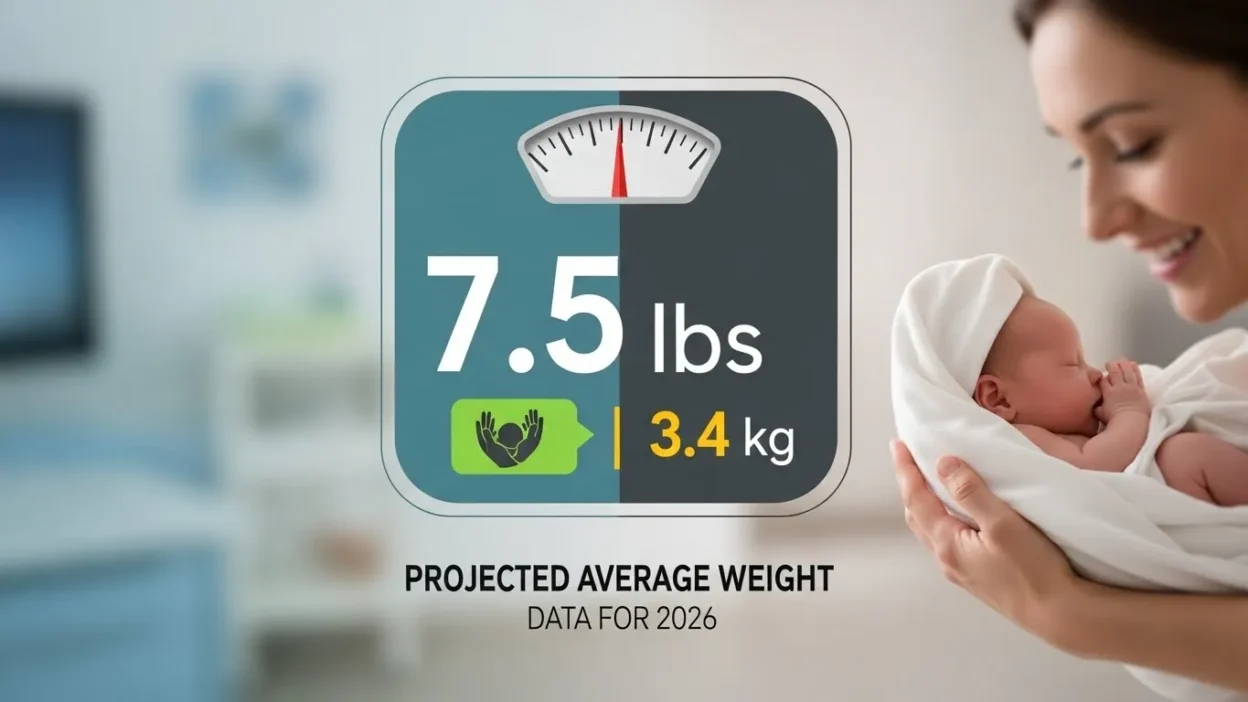
While most full-term babies weigh between 2.5 to 4 kilograms (5.5 to 8.8 pounds) at birth, individual differences are common, influenced by factors like genetics, maternal health, and gestational age.
Understanding these variations helps parents feel more informed and less anxious, especially when their baby falls slightly outside the “average” range.
In this article, we will explore what constitutes a healthy newborn weight, the reasons some babies are smaller or larger than average, and practical tips for ensuring proper growth.
If you are an expecting parent or caring for a newborn, this guide will help you make sense of the numbers and support your baby’s early development.
What Is the Average Weight of a Newborn?
The average weight of a newborn is a key indicator of health and well-being. Most full-term babies, born between 37 and 42 weeks of gestation, weigh between 2.5 to 4 kilograms (5.5 to 8.8 pounds). Boys are generally slightly heavier than girls, but the difference is usually minor, averaging about 100–150 grams. Babies born before 37 weeks, known as preterm babies, often weigh less than this average, while post-term babies, born after 42 weeks, can be heavier.
It is also normal for newborns to lose some weight in the first few days after birth, typically around 5–10% of their birth weight, due to fluid loss and adjustment to feeding. They usually regain this weight within the first two weeks. Pediatricians often monitor weight closely during this period to ensure healthy growth.
Understanding the average newborn weight helps parents recognize normal variations. Factors such as genetics, maternal health, and pregnancy conditions can lead to babies being smaller or larger than the average range. However, being slightly above or below the average does not automatically indicate a problem. Pediatricians consider multiple factors, including length, head circumference, and overall health, to assess whether a newborn is thriving.
Monitoring weight, especially in the first few months, is essential, as it provides insight into nutrition, growth, and early development
Factors That Affect Newborn Weight
A newborn’s weight is influenced by a variety of genetic, maternal, and environmental factors. Understanding these factors helps parents recognize why babies may fall above or below the average weight range.
1. Genetics: The baby’s genes play a major role in determining birth weight. Parents’ height, weight, and family history of large or small babies can influence how much a newborn weighs at birth.
2. Gestational Age: The length of the pregnancy is crucial. Full-term babies (37–42 weeks) typically fall within the average weight range. Preterm babies, born before 37 weeks, often weigh less, while post-term babies may weigh more due to extended growth in the womb.
3. Maternal Health and Nutrition: A mother’s health and diet during pregnancy significantly impact fetal growth. Proper nutrition, adequate weight gain, and the absence of chronic conditions like hypertension or diabetes support healthy newborn weight. Poor maternal nutrition or untreated health issues can lead to low birth weight.
4. Pregnancy Complications: Conditions such as gestational diabetes can result in larger babies, while complications like preeclampsia may lead to lower birth weight.
5. Lifestyle and Environmental Factors: Smoking, alcohol consumption, and exposure to toxins during pregnancy can affect fetal growth. Prenatal care and a healthy environment help ensure the baby reaches an optimal weight.
By understanding these factors, parents can better appreciate that variations in newborn weight are often normal and can take proactive steps to support healthy growth before and after birth.
Low Birth Weight: Causes and Implications
Low birth weight (LBW) is defined as a newborn weighing less than 2.5 kilograms (5.5 pounds) at birth. Babies with LBW may face higher risks of health challenges both immediately after birth and later in life, making it an important factor for parents and healthcare providers to monitor.
Causes of low birth weight can vary widely. Preterm birth, or being born before 37 weeks of gestation, is one of the most common reasons. Babies who do not have enough time to grow in the womb often weigh less than average. Maternal health and nutrition also play a significant role—malnutrition, anemia, chronic illnesses, or infections during pregnancy can limit fetal growth. Additionally, lifestyle factors, such as smoking, alcohol use, or exposure to harmful substances, can contribute to reduced birth weight. Multiple pregnancies, like twins or triplets, often result in smaller babies due to limited space and resources in the womb.
Implications of low birth weight may include difficulty maintaining body temperature, lower immunity, feeding challenges, and slower initial growth. Long-term concerns can involve developmental delays and a higher risk of chronic conditions such as diabetes or heart disease in adulthood.
Early intervention and monitoring are key. Healthcare providers typically check growth closely, provide guidance on feeding, and ensure that the baby receives the proper care to thrive. With appropriate attention, many low birth weight babies catch up to normal growth patterns and develop healthily over time.
High Birth Weight: Causes and Implications
High birth weight, also known as macrosomia, refers to newborns weighing more than 4 kilograms (8.8 pounds) at birth. While many babies with higher birth weight are healthy, it can sometimes lead to complications during delivery and early life.
Causes of high birth weight are often linked to maternal health and pregnancy factors. One of the most common causes is gestational diabetes, where high blood sugar levels in the mother lead to increased glucose transfer to the baby, promoting excessive growth. Genetics also play a role—parents with larger body frames or a family history of big babies may have larger newborns. Additionally, prolonged pregnancies beyond 42 weeks can result in higher birth weight as the baby continues to grow in the womb. Other factors include excessive maternal weight gain during pregnancy and maternal obesity.
Implications of high birth weight can include birth complications such as prolonged labor, the need for a cesarean section, or shoulder dystocia (difficulty delivering the shoulders). Babies with macrosomia may also face a higher risk of low blood sugar (hypoglycemia) shortly after birth and a slightly increased risk of obesity or metabolic issues later in life.
Monitoring and management are essential. Healthcare providers may recommend additional prenatal care, regular check-ups, and careful monitoring of the baby’s growth. After birth, pediatricians track weight gain and overall health to ensure the newborn thrives safely.
Understanding the causes and risks of high birth weight helps parents take preventive measures and ensures babies receive the proper care for a healthy start in life.
How Newborn Weight Affects Growth and Development
A newborn’s weight at birth is not just a number—it can provide important insight into their growth and long-term development. While being within the average weight range is generally a sign of healthy development, babies who are smaller or larger than average may need closer monitoring.
Immediate growth after birth is a critical period. Most newborns lose about 5–10% of their birth weight in the first few days due to fluid loss and adaptation to feeding. This weight is typically regained within two weeks. Babies who do not regain weight promptly may require medical evaluation to ensure proper nutrition and rule out underlying health issues.
Short-term development is influenced by newborn weight as well. Low birth weight babies may have more difficulty maintaining body temperature, fighting infections, and feeding effectively, which can affect early growth. Conversely, high birth weight babies may experience delivery complications or blood sugar fluctuations that need careful management.
Long-term implications include growth patterns during infancy and childhood. Research shows that both low and high birth weights can slightly influence future metabolic health, appetite regulation, and growth trajectories. However, with proper nutrition, regular pediatric check-ups, and attentive care, most babies catch up and develop normally.
Parental role: Tracking weight gain and overall development through routine visits helps ensure that any potential issues are identified early. Understanding the significance of newborn weight empowers parents to provide the right support for their baby’s healthy growth and lays the foundation for a strong start in life.
Tips for Parents to Ensure Healthy Newborn Weight
Supporting a healthy newborn weight begins even before birth and continues through the early months of life. While genetics and other factors play a role, parents can take several proactive steps to promote optimal growth.
1. Prenatal Nutrition: A balanced diet during pregnancy is essential. Consuming sufficient calories, protein, vitamins, and minerals helps the baby grow at a healthy rate. Key nutrients like folic acid, iron, calcium, and omega-3 fatty acids are particularly important for fetal development.
2. Regular Prenatal Care: Routine check-ups allow healthcare providers to monitor the baby’s growth and detect any potential issues early. Ultrasound scans and weight tracking help ensure the baby is developing within a healthy range.
3. Avoid Harmful Habits: Smoking, alcohol, and certain medications can negatively affect fetal growth, leading to low birth weight or other complications. Maintaining a healthy lifestyle during pregnancy supports optimal baby weight.
4. Manage Health Conditions: Conditions like gestational diabetes, high blood pressure, or thyroid issues can impact newborn weight. Proper management under a healthcare provider’s guidance helps reduce risks of low or high birth weight.
5. Monitor Fetal Growth: Being aware of changes in the baby’s movement patterns and following medical advice helps ensure early intervention if necessary.
After birth, ensuring adequate feeding, whether through breastfeeding or formula, is critical. Frequent pediatric visits and tracking weight gain help parents stay informed and make adjustments as needed.
By following these tips, parents can actively support their baby’s growth, giving them the best possible start for a healthy life.
Tips for New Parents After Birth
Once your baby arrives, maintaining a healthy weight becomes a key part of ensuring proper growth and development. Even if your newborn’s birth weight is within the average range, attentive care in the first few months is essential.
1. Feeding and Nutrition: Breastfeeding is highly recommended, as breast milk provides all the nutrients a newborn needs in the first six months. Formula feeding is also an option when breastfeeding isn’t possible, but it’s important to follow recommended guidelines for quantity and frequency. Regular feeding supports steady weight gain and overall development.
2. Track Weight Gain: Keeping a record of your baby’s weight helps you monitor growth patterns. Most pediatricians will check weight at every well-baby visit and plot it on a growth chart to compare against standard percentiles. Consistent weight gain within the expected range is a positive sign of healthy development.
3. Recognize Warning Signs: Slow or insufficient weight gain, sudden weight loss, or feeding difficulties may indicate underlying issues that need medical attention. Early intervention can prevent complications and promote healthy growth.
4. Encourage Healthy Habits: Ensuring adequate sleep, gentle tummy time, and proper hygiene supports overall health and development, indirectly influencing weight gain and growth.
5. Regular Pediatric Check-Ups: Routine visits allow healthcare providers to assess not only weight but also length, head circumference, and developmental milestones. These check-ups provide guidance tailored to your baby’s individual needs.
By actively monitoring feeding, growth, and development, new parents can ensure their baby reaches a healthy weight and thrives during this critical early stage of life.
Myths and Misconceptions About Newborn Weight
Many parents worry about their baby’s weight, and unfortunately, several myths and misconceptions can add unnecessary stress. Understanding the facts helps parents focus on healthy growth rather than unrealistic expectations.
1. “Bigger babies are always healthier.” While a higher birth weight can indicate good nutrition in the womb, it doesn’t automatically mean better health. Babies with high birth weight may face complications during delivery and a higher risk of obesity or metabolic issues later in life. Similarly, slightly smaller babies can be perfectly healthy, especially if they are born full-term and have no underlying medical concerns.
2. “Small babies will always stay small.” Babies born with lower birth weight often catch up during infancy and early childhood with proper nutrition and care. Low birth weight does not necessarily predict long-term health problems, though close monitoring is important.
3. “You can tell a baby’s health just by weight.” Weight is only one indicator of a newborn’s health. Pediatricians also consider length, head circumference, feeding patterns, and overall behavior to assess development. A baby with a normal weight but poor feeding or growth may still need medical attention.
4. Cultural beliefs and myths: Some communities assume certain foods, practices, or rituals directly determine newborn weight. While nutrition and prenatal care matter, genetics and other medical factors play a larger role than folklore.
By separating myths from facts, parents can reduce anxiety and focus on real strategies that support healthy newborn growth. Consulting healthcare providers for guidance ensures weight and overall development are monitored accurately.
(FAQs)
1. What is the average weight of a newborn?
Most full-term babies weigh between 2.5 to 4 kilograms (5.5 to 8.8 pounds) at birth. Boys are usually slightly heavier than girls, and slight variations are normal.
2. When should I be concerned about my baby’s weight?
If your baby is consistently losing weight after the first week, not gaining adequately, or falls significantly below or above the average range, it’s important to consult your pediatrician. Other warning signs include poor feeding, lethargy, or dehydration.
3. What causes low birth weight?
Low birth weight (<2.5 kg / 5.5 lbs) can result from preterm birth, maternal malnutrition, infections, multiple pregnancies, or lifestyle factors like smoking and alcohol use during pregnancy.
4. What causes high birth weight?
High birth weight (>4 kg / 8.8 lbs), also called macrosomia, may be caused by maternal diabetes, prolonged pregnancy, genetics, or excessive maternal weight gain during pregnancy.
5. How can I ensure my newborn gains weight properly?
Frequent feeding, monitoring growth, and following your pediatrician’s guidance are key. Breastfeeding or formula feeding should be consistent, and weight gain should be tracked on a growth chart.
6. Does newborn weight affect long-term growth?
Birth weight can influence early growth patterns, but most babies, whether slightly smaller or larger than average, catch up with proper nutrition and care. Regular check-ups ensure healthy development.
7. Are weight charts reliable for every baby?
Growth charts are general guidelines. Individual differences exist, so pediatricians consider weight alongside length, head circumference, and overall health when assessing development.
Conclusion
Understanding the average weight of a newborn is an essential part of ensuring your baby’s healthy start in life.
While most full-term babies weigh between 2.5 to 4 kilograms (5.5 to 8.8 pounds), slight variations are normal and usually not a cause for concern.
Both low and high birth weights have potential implications, but with proper monitoring and care, most babies grow and develop healthily.
A newborn’s weight is influenced by genetics, maternal health, nutrition, gestational age, and lifestyle factors.
Paying attention to these factors during pregnancy, following medical advice, and maintaining regular prenatal and postnatal check-ups can help support healthy growth.
After birth, monitoring weight gain, providing adequate feeding, and keeping track of milestones ensure that any issues are addressed early.
It’s also important to separate myths from facts. Bigger isn’t always better, and smaller babies often catch up over time.
Rather than focusing solely on the number on the scale, parents should consider the overall health and development of their newborn.
Ultimately, knowledge and proactive care empower parents to give their babies the best possible start.
By understanding what constitutes a healthy weight and recognizing when to seek guidance, you can help your newborn thrive during these critical first months of life.