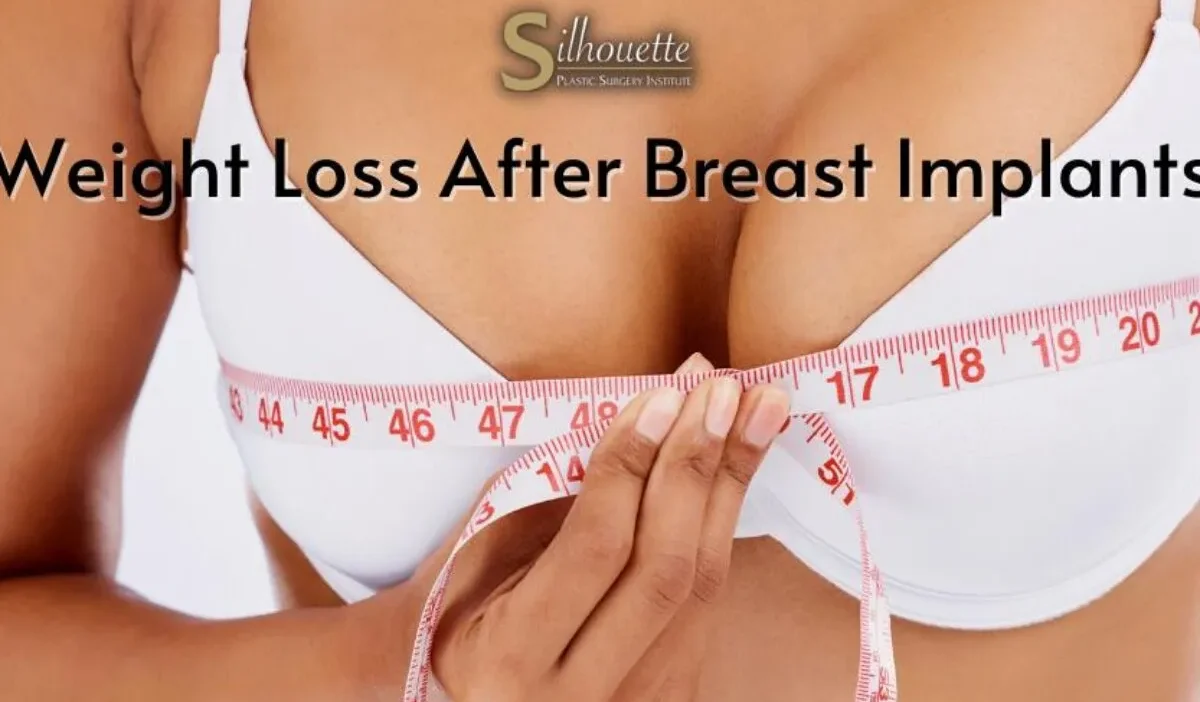
Losing weight is an incredible achievement, but many women notice unexpected changes in their bodies especially their breasts.
Boobs after weight loss often become smaller, less full, or even sag slightly, which can feel discouraging. Understanding why these changes happen can help you set realistic expectations and embrace your body with confidence.
Breasts are made mostly of fat, so when you lose weight, it’s natural for them to shrink. Factors like age, genetics, skin elasticity, and the speed of weight loss can all influence how your breasts change after weight loss.
The good news is that there are practical ways to improve appearance naturally, from chest exercises and proper bras to nutrition and skincare for firmness.
In this guide, we’ll cover everything you need to know from why your breasts shrink to tips for lifting, shaping, and feeling confident in your new body.
Why Do Breasts Change After Weight Loss?
It’s completely normal to notice changes in your breasts after weight loss, and understanding the science behind it can help you manage expectations. Breasts are composed primarily of fat tissue, along with glandular tissue, connective tissue, and skin. When you lose weight, your body burns fat from different areas, and since breasts contain a significant amount of fat, they naturally shrink in size. This explains why some women notice a drop of one or more cup sizes after dieting or losing a substantial amount of weight.
The degree of change varies from person to person. Genetics, age, and hormonal factors play a major role in determining how much your breasts will shrink or sag. For example, younger women typically have more elastic skin, which may retain shape better, while older women may experience more noticeable sagging due to reduced collagen and elastin.
Another factor is the speed of weight loss. Rapid weight loss can cause skin to lose elasticity faster, leading to drooping or looser breast tissue. On the other hand, gradual weight loss gives skin more time to adapt, potentially minimizing sagging.
It’s important to remember that breast changes are a natural part of the weight loss journey, not a flaw. Understanding why your breasts change allows you to make informed choices—whether through exercises, supportive bras, or skincare—to maintain confidence and embrace your body’s transformation.
Common Breast Changes After Weight Loss
After losing weight, many women notice several common changes in their breasts, and knowing what to expect can help you feel prepared and confident. One of the most noticeable changes is loss of volume. Since breasts are largely composed of fat, shedding pounds often leads to smaller cup sizes. Even a moderate weight loss can make a difference, and for some women, breasts may appear less full or flatter.
Another frequent change is sagging or drooping, medically known as ptosis. This occurs because the skin and connective tissue that support the breasts lose elasticity as fat decreases. Factors like age, genetics, and the speed of weight loss can make sagging more or less pronounced. Women who experience rapid weight loss may notice looser skin compared to those who lose weight gradually.
Some women also observe increased asymmetry. Breasts are naturally slightly uneven, but weight loss can make this difference more noticeable. Additionally, the texture of the breasts may change, sometimes appearing softer or showing minor stretch marks as the skin adapts to a smaller size.
It’s important to understand that these changes are completely normal. While they may initially feel disappointing, there are practical solutions to improve appearance, from chest exercises and proper bras to skincare and posture adjustments. Accepting that breast changes are a natural part of the weight loss journey can help you focus on your health, confidence, and overall body transformation.
How Much Weight Loss Affects Breast Size
The impact of weight loss on your breasts depends on several factors, including the amount of weight lost, your body composition, and genetics. For many women, even a modest weight loss of 10–15 pounds can result in a noticeable reduction in breast size, while larger weight losses—especially 30 pounds or more—can lead to more significant changes. Since breasts are composed primarily of fat tissue, the more body fat you lose, the smaller your breasts are likely to become.
The speed of weight loss also plays a role. Rapid weight loss through crash diets or intensive calorie restriction often leads to quicker fat loss, but the skin may not have time to tighten, increasing the likelihood of sagging. Gradual weight loss allows the skin to adjust more naturally, potentially minimizing changes in breast shape.
Body type and genetics further influence how your breasts respond. Women with firmer, denser breast tissue may retain shape better, while those with larger breasts made mostly of fat may see a more pronounced reduction. Hormonal factors, such as estrogen levels, also affect breast tissue and skin elasticity, impacting how much your breasts shrink.
It’s important to keep realistic expectations: not all weight loss will drastically alter breast size, and some changes are temporary as your body adjusts. Combining weight loss with strategies like chest exercises, supportive bras, and proper skincare can help maintain firmness and enhance appearance, allowing you to feel confident throughout your weight loss journey.
Does Exercise Help Breast Appearance?
Many women wonder if exercise can prevent sagging or shrinkage of the breasts after weight loss. While it’s important to understand that exercise cannot increase breast tissue, it can significantly improve the appearance, firmness, and lift of your chest by strengthening the underlying pectoral muscles. Strong chest muscles create a subtle lift, improve posture, and make the breasts appear fuller and more toned.
Some of the most effective exercises for chest strength include push-ups, bench presses, chest flys, and resistance band workouts. These exercises target the pectoral muscles beneath the breast tissue, which can enhance shape and support. Incorporating them into a regular routine—about 2–3 times per week—can gradually improve muscle tone and overall chest appearance.
It’s also important to note what exercise cannot do: it cannot regrow fat tissue lost during weight loss, nor can it completely prevent sagging if your skin elasticity is reduced. Genetics, age, and the speed of weight loss play a bigger role in how much sagging occurs.
For optimal results, combine strength training with proper posture, supportive bras, and skincare for the chest area. Maintaining good posture while sitting and standing can instantly improve how your breasts look, while a well-fitted bra provides daily support and reduces strain on breast tissue.
In summary, exercise is a supportive tool, not a solution to reversing all breast changes, but it plays a valuable role in helping your breasts look firmer, lifted, and more toned after weight loss.
Skin Elasticity, Age, and Hormones
One of the main factors influencing how breasts change after weight loss is the elasticity of your skin. Skin elasticity refers to the ability of your skin to stretch and then return to its original shape. Younger women generally have more elastic skin, thanks to higher levels of collagen and elastin, which helps the breasts maintain shape even after fat loss. As we age, these proteins naturally decline, making the skin looser and more prone to sagging.
Hormonal changes also play a significant role. Estrogen, a key hormone in breast tissue health, affects both fat distribution and skin quality. Lower estrogen levels—due to age, menopause, or other hormonal fluctuations—can lead to softer breast tissue and reduced firmness. Similarly, pregnancy and breastfeeding can temporarily stretch breast skin and tissue, which may amplify changes after weight loss.
The speed and amount of weight loss further influence skin response. Rapid weight loss can leave skin unable to adapt quickly, resulting in more noticeable sagging. Gradual, steady weight loss gives the skin time to shrink naturally, which may help preserve breast shape.
Fortunately, there are ways to support skin health during and after weight loss. Staying hydrated, eating a nutrient-rich diet high in protein, vitamins C and E, and omega-3 fatty acids can help maintain skin elasticity. Skincare routines that moisturize and gently massage the chest area may also improve the appearance of sagging.
By understanding how age, hormones, and skin elasticity interact with weight loss, you can take proactive steps to keep your breasts looking firmer and healthier as your body transforms.
How to Improve Breast Appearance Naturally After Weight Loss
While weight loss can change your breast size and shape, there are several natural strategies to improve their appearance and maintain confidence. One of the most effective approaches is targeted chest exercises. Strengthening the pectoralis muscles beneath the breasts can create a subtle lift, enhance firmness, and improve overall posture. Recommended exercises include push-ups, chest presses, chest flys, and resistance band workouts, performed 2–3 times per week.
Nutrition and hydration play a critical role as well. Eating a diet rich in protein, vitamins C and E, zinc, and omega-3 fatty acids helps maintain collagen production and supports skin elasticity. Staying well-hydrated keeps your skin supple, reducing the appearance of sagging.
Skincare for the chest area can also make a difference. Regularly moisturizing and gently massaging the breast and décolletage area improves blood flow and elasticity. Using sunscreens when exposed to sunlight prevents premature skin aging, which can worsen sagging over time.
Supportive bras are another key factor. Wearing properly fitted bras provides daily support, reduces strain on connective tissue, and can immediately improve breast shape. Sports bras during exercise help protect breast tissue and minimize stretching.
Lastly, posture matters. Standing and sitting upright prevents the breasts from drooping and makes them appear lifted naturally. Combined, these strategies offer a holistic, natural way to maintain the firmness and appearance of your breasts after weight loss, helping you feel confident and comfortable in your body.
Fashion Tips to Enhance Shape After Weight Loss
Adjusting your wardrobe can make a big difference in how your breasts look after weight loss. Even if your breasts are smaller or less full, the right clothing and bra choices can enhance shape, boost confidence, and make you feel great in your new body.
One of the easiest ways to enhance appearance is by wearing well-fitted bras. A properly fitted bra supports the breasts, lifts them slightly, and creates a more flattering silhouette. Consider bras with padding or push-up features if you want added volume, or minimizer styles to balance asymmetry. Sports bras are essential during exercise to prevent stretching and sagging.
Necklines and clothing styles also play a key role. V-necks, sweetheart necklines, and square necklines naturally enhance the chest area, creating the illusion of fuller breasts. Structured tops with darts or seams can provide shape and lift, while flowing fabrics help balance proportions and camouflage any sagging. Layering with jackets, cardigans, or fitted blazers can also add volume and definition to the chest.
Choosing fabrics carefully is another tip. Slightly thicker or textured materials hold shape better than thin, clingy fabrics. Patterns like horizontal stripes or color-blocking can also make the chest area appear fuller.
Ultimately, the goal is to highlight your body’s strengths rather than focus solely on perceived imperfections. With the right bras, clothing cuts, and fabrics, you can enhance your breasts’ appearance after weight loss and feel confident in every outfit you wear.
Medical & Cosmetic Options (Informational Section)
For women who experience significant changes in breast size or sagging after weight loss, there are medical and cosmetic options available. It’s important to approach these choices with careful consideration and realistic expectations, as surgery is not necessary for everyone and carries potential risks.
One common procedure is a breast lift (mastopexy). This surgery removes excess skin and tightens the surrounding tissue, lifting the breasts to a higher, firmer position. It does not increase breast size but can dramatically improve shape and firmness. Women with moderate to severe sagging often choose this option.
Breast augmentation is another option for those who want to restore volume lost during weight loss. This can be achieved through implants or fat transfer. Fat transfer uses your own body fat, usually from areas like the abdomen or thighs, to enhance breast size naturally, while implants provide a more predictable volume increase.
It’s essential to weigh the risks, recovery time, and costs associated with these procedures. Recovery can take several weeks, and there may be temporary discomfort, scarring, or swelling. Consulting a qualified plastic surgeon and discussing goals, expectations, and potential outcomes is critical before making any decision.
While cosmetic procedures can improve appearance, they should be considered as part of a broader approach that includes exercise, nutrition, supportive bras, and skincare. Many women find that combining natural strategies with medical options, when desired, provides the best results, helping them feel confident and satisfied with their breasts after weight loss.
Emotional Impact of Breast Changes After Weight Loss
Weight loss is a major accomplishment, but changes in breast size or shape can sometimes bring unexpected emotional challenges. Many women feel self-conscious or disappointed when their breasts become smaller, sag, or lose fullness. It’s common to experience a mix of pride for losing weight and frustration over the changes in appearance. Recognizing these feelings as normal and valid is the first step toward emotional well-being.
Breasts often play a significant role in body image and femininity, so changes in this area can affect self-esteem and confidence. Social media, fashion standards, and comparisons to others may amplify feelings of insecurity. Some women may feel their body no longer matches the image they had envisioned after weight loss.
It’s important to remember that these emotional responses do not diminish your achievement. Accepting your body’s natural changes and focusing on overall health, strength, and wellness can help shift perspective. Support from friends, family, or online communities can provide encouragement and normalize the experience.
Practices like self-affirmation, mindful reflection, and celebrating non-physical achievements can improve body confidence. Wearing clothing that makes you feel good, choosing supportive bras, and adopting posture improvements also contribute to a positive self-image.
Ultimately, embracing the emotional journey alongside the physical transformation ensures that weight loss is a holistic, empowering experience, allowing you to feel proud, confident, and comfortable in your own skin—even if your breasts look different than before.
How to Build Confidence in Your Body Again
After losing weight and noticing changes in your breasts, rebuilding body confidence is just as important as maintaining physical health. Confidence comes from accepting and celebrating your body for what it can do, rather than focusing solely on appearance. Start by acknowledging your achievements—losing weight requires dedication, discipline, and perseverance, all of which deserve recognition.
One way to boost confidence is through clothing and bra choices. Wearing a properly fitted bra can lift and support your breasts, while clothing styles and fabrics that highlight your strengths can make you feel more comfortable and attractive. Fashion is a powerful tool for shaping perception—not just for others, but for yourself.
Posture and movement also play a key role. Standing tall, engaging your core, and maintaining good posture can instantly improve how your chest and overall body appear. Pairing posture awareness with regular chest and strength exercises can further enhance firmness and shape, creating a more confident silhouette.
Mental and emotional practices are equally important. Techniques like self-affirmation, journaling, and mindful reflection help you focus on what you appreciate about your body. Surround yourself with supportive people or communities who normalize body changes and encourage positive self-image.
Finally, remind yourself that your body has changed for a reason—it’s healthier and stronger than before. By combining practical strategies with emotional acceptance, you can cultivate lasting confidence and feel proud of your body, including your breasts after weight loss, no matter their size or shape.
Real Experiences: What People Commonly Report
Many women notice changes in their breasts after weight loss, and hearing real experiences can help normalize what you might be going through. A common report is that breasts become smaller or less full, which is a natural consequence of fat loss. Some women mention losing one or more cup sizes, while others notice subtle changes that only become apparent over time.
Sagging or drooping is another frequent concern. Women often describe that their breasts appear lower on the chest, especially after rapid weight loss or major transformations. While this can be surprising, it’s usually a normal adjustment of the skin and connective tissue. Gradual weight loss and supportive bras can help reduce the severity of sagging.
Many also notice increased asymmetry, as minor differences in size or shape become more visible. Stretch marks or changes in texture are commonly reported as well, particularly in areas where the skin stretched during previous weight gain or pregnancy.
Despite these changes, the majority of women emphasize the positive aspects: their overall health improves, clothing fits better, and they feel stronger and more energetic. Many learn to embrace their body’s new shape, using exercise, bras, and fashion to enhance appearance, while practicing self-acceptance and confidence.
Hearing these experiences reminds us that breast changes after weight loss are normal, highly variable, and manageable. Understanding what to expect—and knowing that others share similar stories—can help you navigate your own journey with reassurance and self-confidence.
FAQs:
Many women have questions about how breasts change after weight loss. Here are some common concerns and answers to help you understand and manage these changes.
1. Will my breasts grow back if I gain weight?
Breasts are made largely of fat, so regaining weight may restore some volume. However, the distribution of fat varies by genetics and body type, so the exact shape and size may differ from before.
2. Can exercise make my breasts bigger?
While exercise cannot increase breast tissue, chest-strengthening exercises like push-ups, bench presses, and chest flys can improve muscle tone and lift, making breasts appear firmer and slightly fuller.
3. Is sagging permanent?
Sagging depends on skin elasticity, age, and weight loss speed. While minor sagging can improve over time with exercise, posture, hydration, and skincare, significant sagging may require medical options if desired.
4. Can supplements or creams improve firmness?
Currently, no supplement or cream has been scientifically proven to increase breast size or prevent sagging. Maintaining hydration, a nutrient-rich diet, and proper skincare can support skin elasticity, but results are limited.
5. Should I consider surgery?
Medical options like breast lifts, implants, or fat transfer exist for those who want to restore shape or volume. Surgery carries risks, costs, and recovery time, so it should be a carefully considered choice rather than the first solution.
Understanding these FAQs can help set realistic expectations and guide you toward effective strategies, whether natural methods or medical interventions, for maintaining your confidence and enhancing breast appearance after weight loss.
Conclusion:
Weight loss can bring about dramatic changes in the body, and the breasts are no exception. Since breasts are composed largely of fatty tissue, losing weight often results in a reduction in breast size.
While this can be a welcome change for some, others may notice sagging or a loss of fullness, which can affect self-confidence.
It’s important to remember that these changes are natural and vary from person to person depending on genetics, age, and the amount of weight lost.
Maintaining muscle tone through strength training and chest exercises can help support the breast tissue and improve overall appearance. Additionally, wearing properly fitted bras and practicing good posture can make a significant difference in how the breasts look after weight loss.
For those who are concerned about loose skin or significant sagging, consulting a healthcare professional or plastic surgeon can provide options, such as non-invasive treatments or surgical interventions, though these are personal choices and not medically necessary for everyone.
Ultimately, the key is to focus on health, self-acceptance, and body confidence. Weight loss is a major achievement that brings numerous benefits, from improved energy levels to better overall health, and the changes in breast appearance are just one part of that journey.
Embracing your body’s transformation with care and understanding, while taking steps to maintain strength and posture, can ensure that you feel confident and comfortable in your own skin after weight loss. The breasts may change, but self-love and body positivity remain constant.

Hi! I’m Ella Johnson, the voice behind Crushlinez. I love sharing fun, flirty, and creative pick up lines to help you charm, laugh, and connect. On Crushlinez, I bring you the best lines for every mood, whether it’s cute, funny, or romantic. My goal is to make flirting fun, easy, and full of smiles—one line at a time!https://crushlinez.com/https://crushlinez.com/