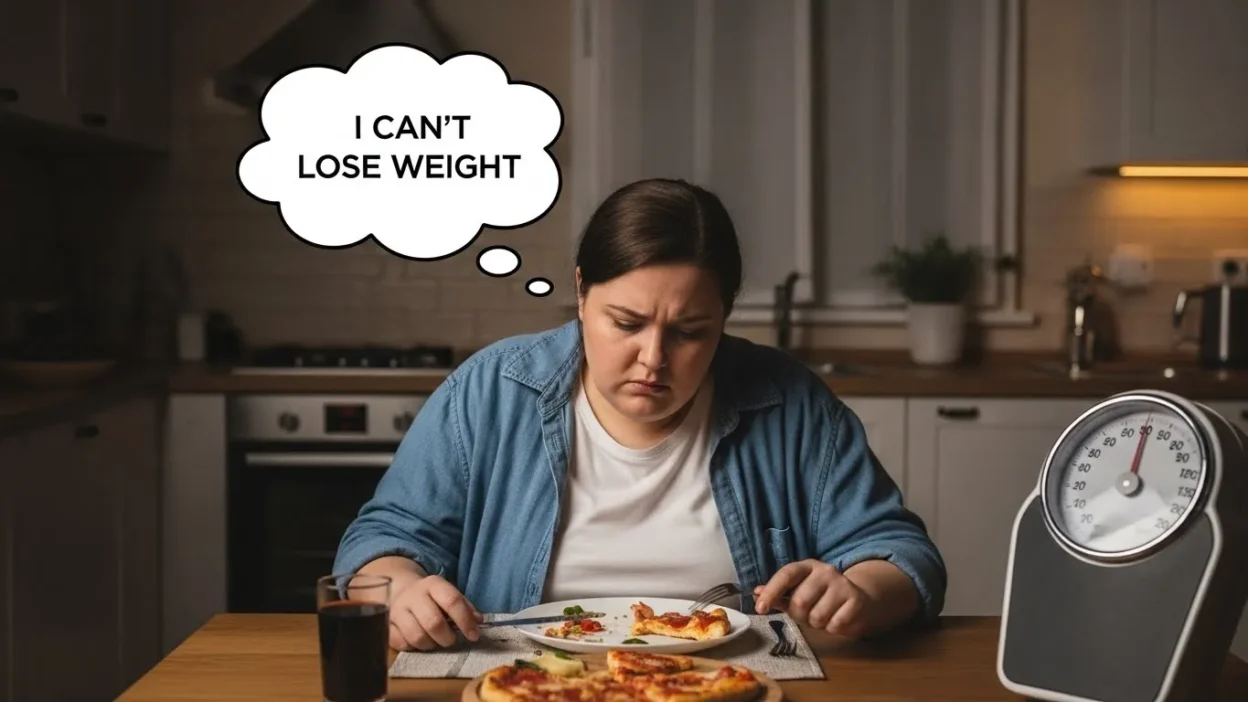
Struggling to lose weight can be one of the most frustrating experiences, especially when you’re eating right, exercising, and still seeing little progress.
Many people blame themselves, thinking they lack discipline or willpower, but the truth is that weight loss is influenced by far more than just calories in and calories out.
Genetics, metabolism, hormones, lifestyle habits, and even psychological factors can all play a role in why the scale isn’t moving. Understanding these factors is the first step toward overcoming the barriers that make losing weight so difficult.
If it’s a hidden medical condition, stress, poor sleep, or subtle diet mistakes, identifying the root causes can help you create an effective, sustainable plan.
In this article, we’ll explore the most common reasons people struggle with weight loss and provide actionable strategies to finally break through plateaus and achieve lasting results.
Understanding Why Weight Loss Can Be Difficult
Weight loss isn’t always as simple as “eat less and move more.” For many, the process is influenced by a combination of biological and physiological factors that can make shedding pounds much harder than expected. One of the key factors is metabolism, which is the rate at which your body burns calories. People with a slower metabolism may find it harder to lose weight even when following a strict diet and exercise routine. Hormones also play a critical role. For example, leptin regulates hunger, ghrelin signals appetite, and cortisoloften elevated during stresscan lead to fat storage, particularly around the belly.
Genetics can further influence weight loss, affecting how your body stores fat and how efficiently it uses energy. Some individuals naturally burn calories faster, while others are predisposed to hold onto extra weight. Age is another factor; as we get older, muscle mass tends to decline, slowing metabolism and making weight loss more challenging. Additionally, certain medical conditions, such as hypothyroidism or insulin resistance, can significantly hinder weight loss efforts.
Understanding these underlying factors is crucial. When weight loss feels impossible, it’s often not due to laziness or lack of effortit’s a signal from your body. By identifying the biological and physiological barriers at play, you can tailor your approach with strategies that address these challenges and make long-term weight loss achievable.
Common Lifestyle Factors That Sabotage Weight Loss
Even when diet and exercise seem on point, everyday lifestyle habits can silently prevent weight loss. Sleep deprivation is one of the biggest culprits. Lack of quality sleep disrupts hormones like ghrelin and leptin, increasing appetite and cravings, particularly for sugary or high-calorie foods. Chronic stress is another major factor. When cortisol levels remain elevated, your body tends to store fat, especially around the midsection, and stress often triggers emotional eating, making it harder to maintain a calorie deficit.
A sedentary lifestyle also contributes significantly. Even if you exercise regularly, spending long hours sitting at a desk, commuting, or watching TV reduces daily calorie expenditure, slowing progress. Hidden habits, such as snacking while distracted, frequent alcohol consumption, or irregular meal times, can add calories unknowingly, sabotaging efforts without you realizing it. Even small behaviorslike skipping meals and then overeating latercan disrupt metabolism and make it harder to lose weight.
Addressing these lifestyle factors often leads to noticeable improvements. Simple changes like prioritizing 7–9 hours of sleep, incorporating stress-management techniques such as meditation or deep breathing, taking regular walking breaks, and tracking hidden calories can create a supportive environment for weight loss. By tackling these everyday habits, you remove barriers that silently keep your weight stuck, paving the way for more consistent and sustainable progress.
Diet and Nutrition Mistakes
Sometimes, the reason you can’t lose weight isn’t how much you eat, but what and how you eat. One common mistake is following fad diets. Extreme low-calorie plans, ketogenic diets, or intermittent fasting may produce short-term results, but they’re often unsustainable. Once the diet ends, old habits return, and the weight can come backor even increase.
Portion control is another overlooked factor. Even healthy foods can contribute to weight gain when eaten in excess. Many people underestimate the calories in beverages, sauces, or snacks, which can quietly derail a calorie deficit. Skipping meals may seem like a way to reduce intake, but it can backfire. Irregular eating can slow metabolism, trigger overeating later, and affect energy levels.
Nutrient deficiencies can also impact weight loss. Protein, fiber, and essential vitamins like vitamin D and iron support energy, muscle maintenance, and fat metabolism. Without them, the body may struggle to burn calories efficiently or feel satisfied after meals, leading to cravings.
Finally, many people fail to track their actual intake. Mindless eating, emotional snacking, and eating on the go make it easy to consume more calories than realized. Actionable Tip: Keep a food diary for a week or use a calorie-tracking app. Focus on balanced meals that combine lean protein, fiber-rich vegetables, whole grains, and healthy fats. By making small, sustainable adjustments to what and how you eat, you can remove hidden barriers and start seeing real progress on the scale.
Exercise and Physical Activity Pitfalls
Exercise is essential for overall health and weight loss, but many people struggle because they unknowingly fall into common workout pitfalls. One mistake is relying solely on cardio. While cardio burns calories, it doesn’t build muscle, which is crucial for maintaining a faster metabolism. Strength training should be incorporated at least 2–3 times per week to help the body burn more calories even at rest.
Another issue is lack of variety in workouts. Doing the same routine repeatedly can lead to plateaus because the body adapts to the stress. Mixing up exercises with different intensity levels, resistance training, and interval workouts challenges the muscles and encourages fat loss.
Many also overestimate calories burned during exercise. It’s common to think a 45-minute run “erased” a large meal, leading to eating back the calories and slowing progress. Beyond formal workouts, daily activity matters too. Non-exercise movement, also called NEAT (Non-Exercise Activity Thermogenesis), includes walking, taking stairs, standing, or even fidgeting. These small activities significantly contribute to daily calorie expenditure and help prevent weight stagnation.
Actionable Tip: Combine structured workouts with more daily movement. Strength training, interval cardio, and active lifestyle habitslike short walking breaks, stretching, or standing while workingcan make a noticeable difference. By avoiding these common exercise pitfalls, you not only improve fat loss but also boost energy, strength, and overall health, creating a sustainable foundation for long-term weight management.
Medical and Hormonal Factors
Sometimes, weight loss struggles go beyond diet and exercise. Medical and hormonal issues can make losing weight unusually difficult, even when you’re doing everything “right.” One common condition is hypothyroidism, where the thyroid gland produces insufficient hormones. This slows metabolism, reduces energy levels, and often leads to weight gain or difficulty losing weight despite a healthy lifestyle.
Polycystic ovary syndrome (PCOS) is another factor, particularly in women. PCOS can cause hormonal imbalances that increase insulin resistance, making it harder to lose fat and more likely to store weight around the abdomen. Similarly, insulin resistancea precursor to diabetescan cause the body to store more fat and trigger cravings for sugary foods, creating a cycle that hinders weight loss.
Certain medications can also interfere with weight management. Common examples include antidepressants, corticosteroids, and some antipsychotic drugs. These medications may increase appetite, alter metabolism, or cause water retention, all of which can stall progress on the scale.
Even subtle hormonal fluctuations, like elevated cortisol from chronic stress, can lead to fat accumulation and cravings. Understanding these factors is essential because blaming yourself for slow progress can be discouraging and unhelpful.
Actionable Tip: If weight loss remains extremely difficult despite consistent effort, consider consulting a healthcare professional. Blood tests and medical evaluations can reveal thyroid issues, hormonal imbalances, or insulin resistance. Addressing these underlying conditions with medical guidance can remove significant barriers and make weight loss achievable.
Psychological and Behavioral Barriers
Weight loss is not just physicalit’s deeply influenced by psychological and behavioral factors. One of the most common challenges is emotional eating. Stress, boredom, or negative emotions often trigger cravings for high-calorie comfort foods, making it hard to maintain a calorie deficit even with the best intentions. Over time, these habits can become automatic, leading to consistent overeating without conscious awareness.
Mindless eating is another barrier. Eating while watching TV, scrolling on your phone, or working can lead to consuming more calories than your body actually needs. Without paying attention to portion sizes or hunger cues, it’s easy to sabotage progress.
Negative self-talk and mindset issues also play a role. Believing that you “can’t lose weight” can lead to self-sabotage, skipping workouts, or abandoning healthy eating altogether. Motivation fluctuates naturally, and relying solely on willpower is rarely sustainable.
Developing healthy behavioral habits is key to overcoming these barriers. Mindful eating techniques, such as eating slowly, savoring each bite, and recognizing true hunger signals, can dramatically reduce overeating. Setting realistic goals, tracking progress, and celebrating small victories helps reinforce positive habits. Stress-management practices like meditation, journaling, or deep breathing exercises can reduce emotional eating triggers.
Actionable Tip: Focus on building consistent, sustainable habits rather than seeking quick fixes. By addressing the psychological and behavioral aspects of weight management, you create a supportive mindset that makes lasting weight loss achievable and helps prevent relapses.
Practical Steps to Overcome Weight Loss Plateaus
Even when you’re eating well and exercising consistently, weight loss can stall. This is a common plateau, and it doesn’t mean your efforts are failingit often signals that your body has adapted to your routine. Understanding how to overcome plateaus is key to continued progress.
One effective strategy is to adjust your caloric intake or macronutrient balance. As weight drops, your body requires fewer calories, so slightly reducing intake or focusing on higher protein and fiber can reignite fat loss. Similarly, tweaking your workout routine is crucial. Incorporating strength training, high-intensity interval training (HIIT), and varied exercises challenges your muscles in new ways, helping boost metabolism and break through plateaus.
Tracking progress beyond the scale is also important. Muscle gain can mask fat loss, so consider measurements, body composition, energy levels, or progress photos to get a full picture. Even small lifestyle tweaksdrinking more water, taking standing or walking breaks, or improving sleep qualitycan cumulatively increase calorie burn and enhance overall results.
Finally, consistency and patience are key. Avoid drastic measures or crash diets, which can backfire and slow metabolism. Actionable Tip: Set realistic goals, make incremental changes, and track your habits carefully. Over time, these small adjustments help overcome plateaus and ensure sustainable, long-term weight loss.
When to Seek Professional Help
While most weight loss challenges can be addressed through lifestyle changes, there are times when professional guidance is necessary. If you’ve been consistently eating well, exercising, and addressing sleep and stress, yet still struggle to lose weight, it may indicate an underlying medical or hormonal issue. Seeking professional help can provide clarity and a structured approach to overcome these obstacles.
Red flags include sudden or unexplained weight gain, persistent fatigue, irregular menstrual cycles, or symptoms of hormonal imbalances. Conditions such as hypothyroidism, PCOS, insulin resistance, or medication-related weight gain often require medical evaluation to properly manage and treat. Ignoring these signs can make weight loss efforts frustrating and ineffective.
Types of professionals to consider include registered dietitians, who can create personalized meal plans; endocrinologists, who evaluate and treat hormonal disorders; personal trainers, who design safe and effective exercise routines; and behavioral or mental health therapists, who address emotional eating and mindset challenges.
The benefit of professional guidance is tailored support. With medical evaluation, nutrition planning, and behavioral coaching, you can identify hidden barriers and implement strategies that are specific to your body and lifestyle. This approach not only helps overcome weight loss resistance but also promotes long-term health and sustainable results.
Actionable Tip: If progress stalls for months despite consistent effort, schedule an appointment with a healthcare provider. Early intervention can address underlying issues, reduce frustration, and help you achieve safe, lasting weight loss.
(FAQs)
1. Why am I gaining weight despite eating less?
Weight gain can occur due to hidden calories, inaccurate portion sizes, or metabolic adaptations. Hormonal imbalances, medications, and stress can also contribute. Tracking food intake and reviewing lifestyle factors often uncovers the cause.
2. Can stress prevent weight loss?
Yes. Chronic stress elevates cortisol, which can increase appetite, cravings, and fat storage, particularly around the abdomen. Stress management techniques such as meditation, deep breathing, and mindful breaks can help reduce its impact.
3. How important is sleep for losing weight?
Sleep is critical. Lack of sleep disrupts hunger hormones, leading to increased appetite and cravings. Aim for 7–9 hours of quality sleep to support metabolism and overall energy.
4. Do certain diets work better for slow metabolism?
There’s no one-size-fits-all diet. Diets high in protein and fiber, paired with balanced carbohydrates and healthy fats, often support satiety and metabolism. Sustainable, personalized eating plans are more effective than extreme fad diets.
5. When should I consider seeing a doctor?
If weight loss remains difficult despite consistent healthy habits, or if you notice unexplained fatigue, sudden weight gain, irregular periods, or other unusual symptoms, consult a healthcare professional. They can check for thyroid issues, hormonal imbalances, insulin resistance, or medication effects.
6. How can I break through a weight loss plateau?
Adjusting caloric intake, increasing strength training, varying workouts, tracking progress beyond the scale, and making small lifestyle changes like improving sleep and activity levels can help overcome plateaus.
Actionable Tip: Understanding your body, habits, and potential underlying issues is key. Addressing these FAQs can empower you to make informed changes and achieve sustainable weight loss.
Conclusion
Struggling to lose weight can be frustrating, but it’s important to remember that it’s rarely a matter of willpower alone. Weight loss is influenced by a complex combination of factors, including metabolism, hormones, lifestyle habits, diet, exercise, and psychological behaviors. Understanding these elements is the first step toward identifying the roadblocks that may be preventing progress.
Lifestyle habits like poor sleep, chronic stress, and sedentary behavior often quietly sabotage efforts, while common diet mistakes such as underestimating calories, following fad diets, or skipping meals can further hinder results.
Exercise routines that lack variety or omit strength training may limit calorie burn and slow metabolism.
Additionally, medical conditions such as hypothyroidism, PCOS, insulin resistance, or certain medications can make losing weight significantly more challenging.
Psychological factors like emotional eating, mindless habits, and negative self-talk can also prevent consistent progress.
The key to overcoming these barriers is a holistic, sustainable approach. By addressing lifestyle habits, improving diet quality, incorporating effective exercise routines, and seeking professional guidance when necessary, you can create a plan tailored to your body and circumstances.
Small, consistent changes often lead to long-term success, even if progress feels slow at first.
Remember, weight loss is not just about the number on the scaleit’s about building healthy habits, improving energy, and supporting overall well-being.
By understanding the challenges and taking targeted action, you can break through plateaus, overcome obstacles, and achieve lasting, meaningful results.