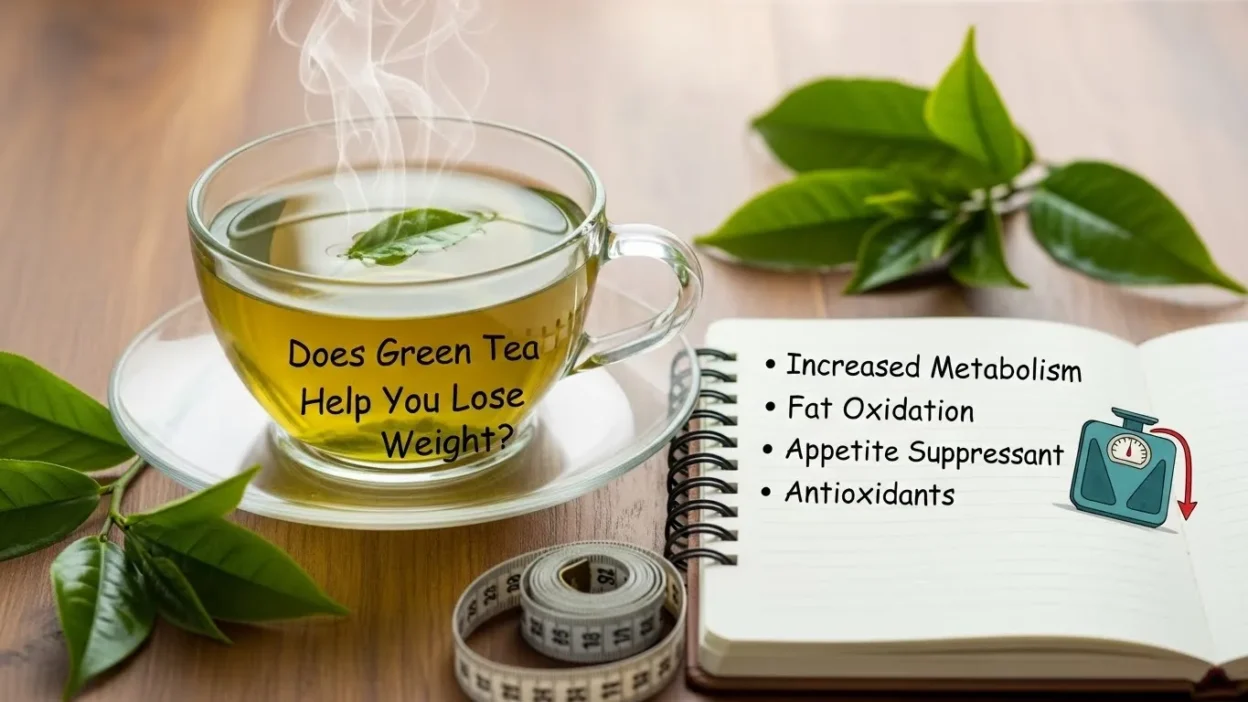
Green tea has long been praised as a natural aid for weight loss, often featured in health magazines, wellness blogs, and diet plans.
With its high levels of antioxidants, particularly catechins and EGCG (epigallocatechin gallate), green tea is believed to boost metabolism, increase fat burning, and support overall health. Many people wonder: does green tea really help you lose weight, or is it just another marketing claim?
Scientific studies suggest that while green tea alone is not a miracle solution, it can contribute to modest weight loss when combined with a balanced diet and regular exercise.
Drinking green tea may help slightly increase calorie expenditure, enhance fat oxidation, and reduce fat accumulation over time.
In this article, we will explore how green tea works, review the latest scientific evidence, discuss practical ways to consume it, and provide tips for safe and effective use for weight management.
What is Green Tea?
Green tea is a type of tea made from the leaves of the Camellia sinensis plant. Unlike black tea or oolong, green tea leaves are minimally processed, which helps preserve their natural antioxidants and beneficial compounds. One of the most important components in green tea is EGCG (epigallocatechin gallate), a powerful catechin that has been studied for its potential effects on metabolism, fat burning, and overall health. Green tea also contains a small amount of caffeine, which can provide a gentle energy boost and may work synergistically with catechins to enhance calorie burning.
Beyond weight loss, green tea is well-known for its wide-ranging health benefits. Its antioxidants help fight free radicals, which may reduce oxidative stress and support heart health. Studies suggest that regular consumption of green tea can improve brain function, lower cholesterol levels, and even reduce the risk of certain chronic diseases.
There are several types of green tea, including matcha, sencha, gyokuro, and longjing, each with its unique flavor and nutrient profile. Matcha, for example, is made from powdered tea leaves and is often considered the most potent in antioxidants because you consume the entire leaf. Brewing methods also matter: using slightly cooler water (around 70–80°C or 160–175°F) helps preserve the beneficial compounds without creating bitterness.
Understanding what green tea is and its composition lays the foundation for exploring how it may support weight loss and metabolism naturally.
How Green Tea May Support Weight Loss
Green tea may aid weight loss primarily through its unique combination of catechins, EGCG, and caffeine, which work together to slightly increase metabolism and promote fat burning. One key mechanism is thermogenesis, the process by which the body generates heat and burns calories. Studies suggest that catechins in green tea can stimulate thermogenesis, helping the body burn a small but meaningful number of extra calories each day.
Another important effect is fat oxidation, particularly during exercise. Research indicates that catechins can enhance the body’s ability to break down fat for energy, making it easier to lose stored fat over time. When combined with caffeine, which can also slightly boost metabolism, green tea’s compounds appear to work synergistically to increase energy expenditure.
While the effects are modest, they can add up. For example, studies have shown that regular green tea consumption can result in an average weight loss of 1–3 kilograms over 12 weeks when paired with a healthy diet and exercise routine. However, it’s important to note that green tea alone is unlikely to produce dramatic weight loss—it works best as a supplement to a balanced lifestyle rather than a standalone solution.
In addition to aiding fat burning, green tea may help regulate blood sugar levels and reduce appetite, further supporting weight management. By understanding these mechanisms, it becomes clear that green tea is a safe, natural tool to assist in gradual and sustainable weight loss.
Scientific Evidence: What Research Shows
Scientific studies on green tea and weight loss suggest that it can provide modest benefits, though results vary depending on individual factors such as diet, activity level, and metabolism. A number of clinical trials and meta-analyses have examined the effects of green tea catechins, particularly EGCG, on body weight and fat reduction. For example, some studies show that participants who consumed green tea or green tea extracts daily experienced slightly higher weight loss and fat reduction compared to control groups over 8–12 weeks. The average weight loss reported in these studies ranges from 1 to 3 kilograms, indicating that while green tea alone is not a miracle solution, it can support gradual fat loss.
Green tea may be particularly effective for reducing abdominal fat, a key concern for many people. Catechins in green tea can improve fat oxidation and help regulate metabolism, contributing to decreases in waist circumference over time. Additionally, the caffeine content can enhance energy expenditure, although the effect is generally mild.
However, not all studies show consistent results. Some trials find minimal or no significant impact on weight, highlighting that green tea’s effectiveness is influenced by lifestyle factors such as dietary habits, exercise, and overall calorie intake. Moreover, differences in the type of green tea, dosage, and duration of consumption also affect outcomes.
Overall, research supports the idea that green tea can aid weight management as part of a broader healthy lifestyle, but it is not a replacement for proper diet and exercise.
How to Drink Green Tea for Weight Loss
To maximize the potential weight loss benefits of green tea, it’s important to consider how, when, and how much you consume. Most studies suggest that drinking 3 to 5 cups of green tea per day can provide enough catechins and caffeine to support metabolism and fat oxidation. For those who prefer supplements, standardized green tea extracts containing EGCG are another option, though natural brewed tea is generally safer and provides additional antioxidants.
Timing matters as well. Drinking green tea before meals may help reduce appetite slightly, while consuming it in the morning or early afternoon can provide a gentle energy boost without interfering with sleep. Matcha, a powdered green tea, is particularly potent because you consume the entire leaf, increasing the intake of beneficial compounds.
Brewing correctly is also essential. Use hot, but not boiling water (around 70–80°C or 160–175°F) to preserve catechins and avoid bitterness. Steeping for 2–3 minutes is usually sufficient. Avoid adding sugar or sweeteners, which can counteract weight loss efforts. A splash of lemon can improve flavor and increase catechin absorption.
While green tea can be a helpful addition to a weight loss routine, it is most effective in combination with a balanced diet and regular physical activity. Drinking it as a standalone strategy is unlikely to produce significant results, but consistent consumption over time can contribute to modest fat loss and support overall health.
Green Tea Extracts and Supplements
For those looking to enhance the potential weight loss benefits of green tea, green tea extracts and supplements are popular alternatives to brewed tea. These supplements are typically concentrated forms of the active compounds in green tea, especially EGCG (epigallocatechin gallate), which is believed to support fat burning and metabolism. Because the catechins are more concentrated, extracts can provide higher doses than what you might get from a few cups of tea.
Green tea extracts are available in capsules, tablets, or powdered form, and some weight loss products combine them with caffeine for added metabolic support. Typical EGCG doses in supplements range from 250 to 500 mg per day, which is roughly equivalent to 3–5 cups of brewed green tea. When taken in moderation, these supplements are generally considered safe for healthy adults.
However, caution is necessary. High doses of green tea extract, particularly above 800 mg of EGCG per day, have been linked in rare cases to liver toxicity. People with liver conditions, pregnant or breastfeeding women, and those taking certain medications should consult a healthcare provider before using concentrated supplements.
While extracts can be convenient and effective, research suggests that the benefits are modest—they support weight management as part of a broader lifestyle, including balanced nutrition and regular exercise. For many people, brewed green tea remains the safest and most natural option, offering additional antioxidants and hydration without the risks associated with high-dose supplements.
Side Effects and Safety Considerations
While green tea is generally safe for most people, it is important to be aware of potential side effects and precautions, especially when consumed in large amounts or as concentrated extracts. One of the main concerns is caffeine sensitivity. Even though green tea contains less caffeine than coffee, drinking several cups per day may cause insomnia, jitters, headaches, or an increased heart rate in sensitive individuals. Decaffeinated green tea is an option for those who are prone to caffeine-related issues.
High doses of green tea extracts can also pose risks. Rarely, concentrated EGCG supplements have been linked to liver toxicity, particularly when taken on an empty stomach or above recommended doses. Adults with liver conditions, pregnant or breastfeeding women, and people taking certain medications (such as blood thinners or diabetes drugs) should consult a healthcare provider before using extracts.
Other minor side effects can include upset stomach, nausea, or diarrhea, which can often be avoided by consuming green tea with food rather than on an empty stomach. It’s also important to note that while green tea is beneficial, more is not always better—moderation is key.
For safe consumption, most studies recommend 3–5 cups of brewed green tea per day or up to 500 mg of EGCG from supplements. Staying within these limits allows you to enjoy the weight management benefits and antioxidant properties without experiencing negative effects.
By understanding the potential side effects, you can use green tea safely as a natural, supportive tool for weight loss and overall health.
Green Tea vs Other Weight Loss Drinks
Green tea is often compared to other beverages marketed for weight loss, such as coffee, black tea, and herbal teas, each of which has unique properties that may affect metabolism and fat burning.
Coffee is well-known for its higher caffeine content, which can temporarily increase metabolism and enhance fat oxidation. While coffee may provide a stronger immediate boost in calorie burning, it lacks the catechins and antioxidants present in green tea. This means that green tea offers a dual benefit: a mild caffeine effect combined with bioactive compounds like EGCG that may support long-term fat oxidation.
Black tea contains polyphenols, which have some metabolic benefits, but it undergoes more oxidation during processing, reducing the levels of catechins compared to green tea. As a result, while black tea can support weight management, its fat-burning potential is generally less pronounced than green tea.
Herbal teas, such as peppermint, hibiscus, or rooibos, are typically caffeine-free and contain antioxidants but generally do not have strong thermogenic effects. They may contribute to hydration and satiety but are unlikely to significantly boost metabolism or fat burning on their own.
Overall, green tea strikes a balance between mild metabolic stimulation, antioxidant support, and ease of consumption, making it a practical choice for people seeking sustainable, natural weight management. While other beverages can complement a weight loss routine, green tea’s combination of catechins and caffeine makes it particularly suited for gradual fat loss when paired with a healthy diet and regular exercise.
Realistic Expectations and Lifestyle Tips
While green tea can support weight loss, it’s important to have realistic expectations. Drinking green tea alone will not result in dramatic weight loss. Most research shows that its effects are modest, contributing to small reductions in body weight and fat over time. For sustainable results, green tea should be considered a supplement to a healthy lifestyle, not a standalone solution.
To maximize benefits, combine green tea with a balanced diet rich in whole foods, lean proteins, vegetables, and whole grains. Controlling portion sizes and reducing processed foods and added sugars will amplify the effects of green tea on metabolism and fat oxidation. Regular exercise, including both cardio and strength training, is also crucial to burn calories and maintain lean muscle mass.
Consistency is key. Drinking green tea daily and making it part of your routine such as with breakfast or before workouts can help you see gradual results. Additionally, staying hydrated and getting enough sleep further supports metabolism and weight management.
It’s also helpful to track your overall calorie intake and activity level rather than relying solely on green tea. Pairing it with realistic, incremental changeslike swapping sugary drinks for green tea, taking regular walks, and practicing mindful eating can make weight loss more achievable and sustainable.
In short, green tea is a natural, supportive tool for fat loss, but lasting results come from consistent lifestyle habits combined with patience and commitment.
(FAQs)
1. Can I lose weight by drinking only green tea?
No. While green tea may slightly boost metabolism and support fat burning, it cannot replace a healthy diet and exercise. Sustainable weight loss requires a combination of calorie control, regular activity, and lifestyle changes.
2. How much green tea should I drink per day for weight loss?
Most studies suggest 3–5 cups of brewed green tea daily or an equivalent EGCG supplement (around 250–500 mg per day) for modest effects. Excessive consumption may cause side effects such as insomnia or digestive discomfort.
3. Does green tea help burn belly fat specifically?
Green tea may aid overall fat reduction, including abdominal fat, due to its fat oxidation effects. However, spot reduction is not possible, and results will vary depending on diet, exercise, and genetics.
4. Can I drink decaf green tea for weight loss?
Decaf green tea still contains catechins, so it may offer some fat-burning benefits. However, it lacks caffeine, which contributes to metabolism boost, making regular green tea slightly more effective.
5. How long until I see results?
Modest effects may appear after 2–3 weeks of consistent daily consumption, with more noticeable results over several months. Green tea works best as a long-term supplement rather than a quick fix.
6. Are there any risks for children or pregnant women?
Green tea contains caffeine and concentrated extracts may pose risks. Consult a healthcare provider before giving it to children, pregnant, or breastfeeding women.
By answering these common questions, readers can make informed choices about safely incorporating green tea into their weight loss journey.
Conclusion
Green tea is a natural and widely accessible beverage that may support weight loss through a combination of fat oxidation, metabolism boost, and appetite regulation.
Its key compounds, including catechins and EGCG, work together with caffeine to provide modest but meaningful effects over time.
Research indicates that consistent consumption typically 3–5 cups per day or an equivalent EGCG supplement can contribute to gradual weight and fat reduction, especially when combined with a balanced diet and regular exercise.
However, it’s important to maintain realistic expectations. Green tea is not a miracle solution, and results vary depending on individual factors such as lifestyle, genetics, and overall health habits.
Spot reduction of belly fat is unlikely, and drinking green tea alone will not produce significant changes. Its true value lies in being a safe, natural, and supportive addition to a healthy weight loss plan.
Practical tips for maximizing benefits include choosing high-quality green tea, brewing it correctly, drinking it consistently, and avoiding added sugars.
For those considering green tea extracts or supplements, staying within recommended dosages and consulting a healthcare professional is essential to avoid potential side effects.
In summary, green tea can be a helpful ally for those seeking gradual, sustainable weight management.
When paired with mindful eating, exercise, and healthy lifestyle habits, it may enhance fat loss and contribute to overall wellness, making it a simple but effective tool on your journey to a healthier body.