Losing weight isn’t just about cutting calories—it’s about making smart food choices that nourish your body while helping you shed pounds. The foods you eat can significantly influence your metabolism, appetite, and fat-burning potential.
By incorporating nutrient-dense, high-protein, and fiber-rich options into your diet, you can stay full longer, reduce cravings, and support sustainable weight loss.
From leafy greens and colorful vegetables to lean proteins and healthy fats, certain foods naturally boost your body’s ability to burn fat and maintain energy throughout the day.
This guide will explore the best foods for weight loss, backed by science, and provide practical tips on how to include them in your daily meals.
If you’re aiming to slim down, reduce belly fat, or simply adopt a healthier lifestyle, understanding which foods help you lose weight is the first step toward achieving your goals.
High-Protein Foods for Weight Loss
Protein is one of the most important nutrients for anyone looking to lose weight. Not only does it help build and maintain lean muscle mass, but it also keeps you feeling full for longer periods, reducing the urge to snack between meals. Additionally, protein has a higher thermic effect compared to fats and carbohydrates, meaning your body burns more calories digesting it.
Some of the best high-protein foods include lean meats such as chicken, turkey, and fish. Eggs are another excellent option, offering high-quality protein and essential nutrients. For plant-based diets, tofu, tempeh, and legumes like lentils and chickpeas provide protein along with fiber, which further enhances satiety. Greek yogurt is also a fantastic choice, delivering protein and probiotics that support digestion.
Incorporating protein into every meal can make a noticeable difference in weight management. For breakfast, consider eggs or Greek yogurt with berries. Lunch and dinner can include grilled chicken, fish, or a plant-based protein paired with vegetables. Snacks like boiled eggs, protein shakes, or roasted chickpeas are convenient ways to boost protein intake throughout the day.
By prioritizing high-protein foods, you not only curb hunger and stabilize blood sugar but also create an environment that supports fat burning and lean muscle development. Consistent inclusion of protein-rich foods is a simple yet powerful strategy for sustainable weight loss.
Fiber-Rich Foods That Keep You Full
Fiber is a weight-loss powerhouse because it slows digestion, helps control blood sugar levels, and keeps you feeling full longer. By including fiber-rich foods in your diet, you can naturally reduce your calorie intake without feeling deprived. There are two types of fiber: soluble and insoluble. Soluble fiber absorbs water and forms a gel in your digestive system, slowing digestion and promoting satiety. Insoluble fiber adds bulk to stool, supporting healthy digestion and regular bowel movements.
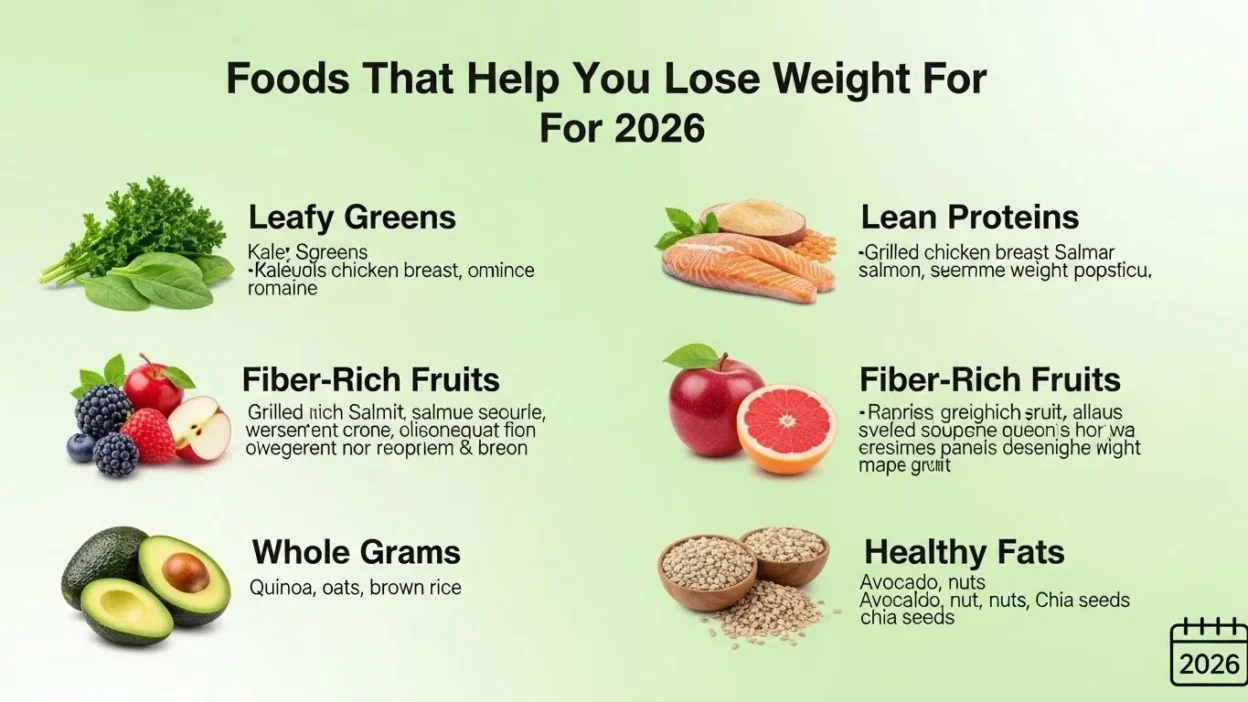
Some of the best fiber-rich foods include vegetables like broccoli, spinach, kale, and carrots. Fruits such as berries, apples, pears, and oranges are excellent choices, providing both fiber and natural sweetness. Whole grains like oats, quinoa, barley, and brown rice are also fiber-packed, helping you feel satisfied after meals. Seeds like chia, flax, and pumpkin seeds offer an added fiber boost while supplying healthy fats. Legumes—including lentils, chickpeas, and black beans—are particularly effective because they combine protein and fiber, keeping you full for hours.
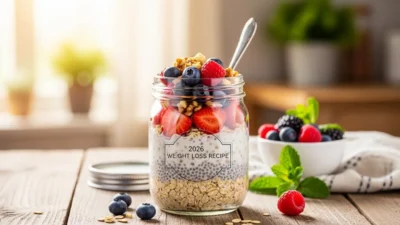
To maximize fiber intake, try adding vegetables to every meal, snacking on fruits, or starting your day with a high-fiber breakfast like oatmeal topped with chia seeds and berries. Gradually increasing fiber in your diet also helps prevent digestive discomfort. Including fiber-rich foods consistently not only aids in weight loss but also improves overall digestive health, making it a key component of a sustainable diet.
Low-Calorie, Nutrient-Dense Foods
When it comes to weight loss, choosing foods that are low in calories but high in nutrients is essential. These foods allow you to eat satisfying portions without consuming excessive calories, keeping your body fueled and healthy. Nutrient-dense foods are packed with vitamins, minerals, antioxidants, and other essential compounds that support metabolism, immune function, and overall well-being.
Leafy greens like spinach, kale, romaine lettuce, and Swiss chard are excellent examples. They are extremely low in calories but rich in fiber, vitamins, and minerals. Vegetables such as cucumbers, zucchini, bell peppers, and tomatoes are also low in calories while offering hydration and antioxidants that reduce inflammation. Fruits like berries, grapefruit, and watermelon provide natural sweetness, fiber, and phytonutrients, helping curb sugar cravings without adding excessive calories.
In addition to fruits and vegetables, low-calorie options include broth-based soups, mushrooms, and certain herbs and spices that enhance flavor without adding fat or sugar. Incorporating these foods into meals increases volume, making your plate visually appealing and satisfying, which can prevent overeating.
To make the most of low-calorie, nutrient-dense foods, combine them with protein and healthy fats for balanced meals. For example, a large salad with leafy greens, grilled chicken, colorful vegetables, and a drizzle of olive oil provides essential nutrients, keeps you full, and supports fat loss. By prioritizing these foods, you can eat generously while staying on track with your weight-loss goals.
Healthy Fats That Support Weight Loss
Contrary to popular belief, eating fat doesn’t automatically make you gain weight. Healthy fats are an essential part of a balanced diet and can actually support weight loss by keeping you full, stabilizing blood sugar, and promoting hormone balance. Including the right types of fats in your meals can prevent overeating and help your body burn fat more efficiently.
Some of the best sources of healthy fats include avocados, nuts like almonds and walnuts, seeds such as chia and flax, and fatty fish like salmon, mackerel, and sardines. Olive oil and other plant-based oils are also excellent choices when used in moderation. These fats are rich in omega-3 and monounsaturated fatty acids, which have been linked to improved metabolism, reduced inflammation, and enhanced heart health.
Incorporating healthy fats doesn’t mean eating large amounts. Small portions can make meals more satisfying and reduce cravings. For example, adding avocado slices to a salad, a handful of nuts as a snack, or a teaspoon of olive oil to roasted vegetables can provide satiety and flavor without excess calories. Fat also helps your body absorb fat-soluble vitamins like A, D, E, and K, which are crucial for overall health.
By including healthy fats in your diet alongside proteins and fiber, you create balanced meals that support long-term weight loss. These fats not only satisfy hunger but also provide energy and essential nutrients, making them a smart addition to any weight-loss plan.
Metabolism-Boosting Foods
Certain foods can give your metabolism a gentle boost, helping your body burn calories more efficiently. While no food alone will magically melt fat, incorporating metabolism-boosting foods into a balanced diet can support weight loss and improve overall energy levels.
Green tea is one of the most well-known metabolism boosters. It contains catechins and a small amount of caffeine, which may increase calorie burning and fat oxidation. Coffee, in moderation, can also stimulate metabolism due to its caffeine content, enhancing energy and physical performance. Spicy foods, particularly chili peppers, contain capsaicin—a compound that can slightly increase the number of calories your body burns after a meal.
Other metabolism-friendly options include ginger, garlic, and cinnamon. These natural ingredients may improve digestion and blood sugar regulation while adding flavor to meals without extra calories. Protein-rich foods, such as lean meats, eggs, and legumes, also have a high thermic effect, meaning your body uses more energy to digest them compared to carbohydrates or fats.
Incorporating these foods is simple: enjoy a cup of green tea in the morning, add spices like cinnamon or chili to your dishes, or start meals with ginger and garlic. Pairing these metabolism-boosting foods with a diet rich in protein, fiber, and healthy fats can enhance your body’s calorie-burning potential, support weight loss, and make your meals more satisfying and flavorful.
Foods Specifically Good for Belly Fat
Belly fat, also known as visceral fat, can be stubborn and poses a higher risk for health issues such as heart disease and diabetes. Fortunately, certain foods can help target this area by improving metabolism, reducing inflammation, and promoting fat loss.
Oats are an excellent choice for reducing belly fat because they are high in soluble fiber, which slows digestion and keeps you full longer. Berries, such as blueberries, strawberries, and raspberries, are packed with antioxidants and fiber that help regulate blood sugar and reduce fat storage. Fatty fish like salmon, mackerel, and sardines provide omega-3 fatty acids, which have been linked to reduced abdominal fat and improved metabolic health.
Legumes, including beans, lentils, and chickpeas, are another effective option. They combine protein and fiber, which help control appetite and stabilize blood sugar, reducing fat accumulation around the waist. Green vegetables like spinach, kale, broccoli, and Brussels sprouts are nutrient-dense, low in calories, and high in fiber, making them ideal for filling up without adding extra fat.
To maximize belly-fat reduction, pair these foods with regular exercise and adequate hydration. Avoid processed sugar, refined carbs, and fried foods, as these can increase abdominal fat. By consistently including these targeted foods in your meals, you can support fat loss in the belly area while improving overall health and energy levels.
How to Combine These Foods into Your Diet
Eating the right foods for weight loss is only part of the equation—knowing how to combine them into balanced meals is key to long-term success. A well-structured plate typically includes a source of protein, fiber-rich vegetables or fruits, and healthy fats, ensuring you stay full, satisfied, and energized throughout the day.
Start by including protein in every meal, such as eggs or Greek yogurt for breakfast, lean chicken or tofu for lunch, and fish or legumes for dinner. Pair these proteins with fiber-rich foods like leafy greens, vegetables, whole grains, or berries. Fiber slows digestion, stabilizes blood sugar, and reduces cravings, helping prevent overeating. Add small portions of healthy fats, such as avocado, olive oil, nuts, or seeds, to meals for satiety and to aid nutrient absorption.
Snacking can also be strategic. Choose high-protein and fiber-rich snacks like roasted chickpeas, boiled eggs, or a handful of nuts with fruit. Spices and metabolism-boosting foods like green tea, chili peppers, and ginger can be included in meals or beverages to slightly enhance calorie burning.
Meal prepping can simplify combining these foods. For instance, prepare grilled chicken with roasted vegetables and quinoa for lunches or a smoothie with Greek yogurt, berries, and chia seeds for breakfast. By thoughtfully combining protein, fiber, and healthy fats, you create meals that support weight loss while keeping your diet varied, satisfying, and enjoyable.
Sample 1-Day Weight Loss Meal Plan
Planning your meals in advance can make weight loss easier and more sustainable. Here’s a sample 1-day meal plan that incorporates high-protein, fiber-rich, low-calorie, and metabolism-boosting foods to help you stay full and energized.
Breakfast: Start your day with a protein-packed and fiber-rich meal. Prepare a bowl of Greek yogurt topped with fresh berries, chia seeds, and a small drizzle of honey. Alternatively, you can have two boiled eggs with a slice of whole-grain toast and avocado slices. Pair with a cup of green tea to boost metabolism.
Mid-Morning Snack: Keep energy levels stable with a small handful of almonds or walnuts, or enjoy an apple with a spoonful of peanut butter. These snacks provide healthy fats, protein, and fiber to curb mid-morning cravings.
Lunch: Combine lean protein, fiber, and healthy fats. A large salad with grilled chicken, mixed leafy greens, cherry tomatoes, cucumbers, and a tablespoon of olive oil makes a filling, nutrient-dense meal. Add a side of quinoa or chickpeas for extra fiber.
Afternoon Snack: Opt for roasted chickpeas, a small smoothie with spinach, protein powder, and berries, or carrot sticks with hummus. These snacks keep you satisfied without adding unnecessary calories.
Dinner: Finish the day with a balanced meal such as baked salmon with steamed broccoli, sautéed zucchini, and a small serving of brown rice. Sprinkle with herbs or spices like garlic and chili for flavor and metabolism support.
This meal plan demonstrates how combining protein, fiber, healthy fats, and low-calorie foods can create satisfying, fat-burning meals that support weight loss and overall health.
Additional Tips for Sustainable Weight Loss
Achieving lasting weight loss goes beyond choosing the right foods—it requires adopting healthy habits that support your body and lifestyle. Incorporating simple strategies alongside a nutritious diet can make your weight-loss journey more effective and sustainable.
Stay Hydrated: Drinking enough water throughout the day helps control appetite, improves digestion, and supports metabolism. Sometimes thirst is mistaken for hunger, leading to unnecessary snacking. Aim for at least 8 glasses of water daily, and consider starting meals with a glass of water to naturally reduce portion sizes.
Practice Mindful Eating: Pay attention to hunger and fullness cues, eat slowly, and avoid distractions like TV or phones while eating. Mindful eating reduces overeating and helps you enjoy meals more fully.
Get Enough Sleep: Sleep plays a crucial role in weight management. Poor sleep can increase cravings for high-calorie foods and negatively affect metabolism. Aim for 7–9 hours of quality sleep each night.
Exercise Regularly: Combining diet with physical activity boosts calorie burn, preserves lean muscle mass, and improves overall health. Include a mix of cardio, strength training, and flexibility exercises for optimal results.
Track Progress: Keeping a food journal or using apps can help you monitor calorie intake, identify habits, and stay accountable.
Avoid Extreme Diets: Focus on balanced meals and gradual changes rather than crash diets, which are often unsustainable and can slow metabolism.
By combining nutrient-dense foods with hydration, mindful eating, sleep, exercise, and tracking, you create a sustainable lifestyle that supports healthy, long-term weight loss.
FAQs
1. Which foods help burn fat fastest?
High-protein foods like eggs, chicken, and legumes, along with fiber-rich vegetables and fruits, are effective for fat loss. Metabolism-boosting foods such as green tea, chili peppers, and coffee can also slightly increase calorie burning. Combining these foods with a balanced diet supports sustainable fat loss.
2. Can I eat carbs and still lose weight?
Yes, not all carbs are bad. Focus on complex carbohydrates like whole grains, oats, quinoa, and brown rice, which provide fiber and energy. Avoid refined carbs and sugary foods that can spike blood sugar and increase fat storage.
3. Are snacks necessary for weight loss?
Snacks aren’t mandatory, but strategic snacking can prevent overeating at meals. Choose high-protein, fiber-rich, and low-calorie snacks like nuts, fruits, or roasted chickpeas to stay satisfied between meals.
4. How much protein should I eat daily?
Protein needs vary, but a common recommendation for weight loss is about 0.6–0.8 grams of protein per pound of body weight. Including protein in every meal helps preserve muscle mass and improves satiety.
5. Are supplements necessary for weight loss?
Supplements are not required if you consume a balanced diet rich in whole foods. Focus on protein, fiber, and nutrient-dense options first. Supplements may help fill gaps but should never replace real foods.
These FAQs address common concerns about weight-loss foods and help readers understand how to make smarter dietary choices that are effective, safe, and sustainable
Conclusion
Choosing the right foods is a cornerstone of successful and sustainable weight loss.
By prioritizing high-protein options, fiber-rich vegetables and fruits, low-calorie nutrient-dense foods, and healthy fats, you can create meals that keep you full, satisfied, and energized throughout the day.
Metabolism-boosting foods and specific belly-fat fighters can further support fat loss when incorporated consistently into your diet.
It’s important to remember that weight loss isn’t about extreme restrictions or cutting out entire food groups.
Instead, focus on balanced meals, portion control, and including a variety of nutrient-dense foods.
Pairing these dietary choices with healthy lifestyle habits—such as staying hydrated, exercising regularly, getting enough sleep, and practicing mindful eating—will help you achieve long-term results and maintain them.
Meal planning, mindful snacking, and tracking your progress can simplify the process and keep you on track toward your goals. Small, consistent changes in your daily eating habits often lead to the most sustainable and noticeable results.
Ultimately, the key to losing weight effectively is creating a diet that you enjoy and can maintain.
By incorporating these foods into your meals and adopting supportive lifestyle habits, you can not only lose weight but also improve overall health, boost energy, and feel confident in your body.
Start with one change today—every small step brings you closer to your goals.

Hi, I’m Maya Angelou, and I’m thrilled to welcome you to Crushlinez! I created this space because I love helping people express themselves with clever, funny, and flirty lines.