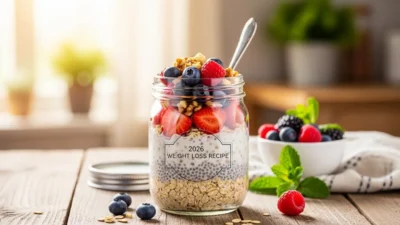
Losing weight doesn’t have to mean extreme dieting or skipping meals. The key lies in making smart food choices that fuel your body, keep you full, and help burn fat naturally.
Eating the right healthy foods can accelerate weight loss while improving energy, digestion, and overall health.
From protein-rich foods that preserve muscle to fiber-packed fruits and vegetables that keep hunger at bay, every bite can make a difference. Incorporating low-calorie, nutrient-dense foods into your daily meals ensures you stay satisfied without overeating.
This guide will explore the best foods for losing weight, highlight those that promote fat burning, and show how to structure meals for maximum results.
If you’re just starting your weight loss journey or looking to fine-tune your diet, understanding which foods help you shed pounds effectively is the first step toward a healthier, sustainable lifestyle.
Why Food Choices Matter for Weight Loss
When it comes to losing weight, what you eat matters just as much as how much you eat. Many people focus solely on cutting calories, but choosing nutrient-dense, healthy foods is far more effective for sustainable fat loss. Every food you consume affects your metabolism, satiety, and energy levels, which in turn influences how much you eat and how active you feel.
One of the most important factors in weight loss is calorie balance—burning more calories than you consume leads to fat loss. However, not all calories are created equal. Foods rich in protein, fiber, and healthy fats help you feel full for longer, reduce cravings, and maintain lean muscle mass, which is essential for a faster metabolism. On the other hand, processed and sugary foods spike blood sugar levels, increase hunger, and promote fat storage.
Choosing the right foods also provides essential vitamins and minerals your body needs to function efficiently during weight loss. For instance, leafy greens and cruciferous vegetables are high in fiber but low in calories, helping you feel satisfied while keeping your diet nutrient-rich. Lean proteins like chicken, fish, or legumes support muscle repair and fat burning, while healthy fats like avocado or nuts regulate hormones that control appetite.
Ultimately, making smart food choices creates a foundation for sustainable weight loss. By focusing on foods that nourish your body, you not only lose weight but also improve overall health, energy, and well-being.
Top Healthy Foods That Boost Weight Loss
Eating the right foods can make weight loss easier and more sustainable. Incorporating nutrient-dense, low-calorie, and fat-burning foods into your diet helps control hunger, improve metabolism, and promote overall health. Here are some of the top healthy foods to include in your meals:
Vegetables: Leafy greens like spinach, kale, and lettuce are low in calories but high in fiber, which keeps you full for longer. Cruciferous vegetables such as broccoli, cauliflower, and Brussels sprouts are also excellent for weight loss due to their high fiber and nutrient content.
Fruits: Berries, apples, and grapefruit are not only low in calories but also rich in antioxidants and fiber. These fruits help control sugar cravings while providing natural energy.
Proteins: Lean meats like chicken and turkey, fish such as salmon, eggs, and plant-based options like lentils and tofu are crucial for preserving muscle mass and boosting metabolism during weight loss.
Whole Grains: Foods like quinoa, oats, and brown rice release energy slowly, prevent blood sugar spikes, and keep you feeling satisfied.
Healthy Fats: Avocado, olive oil, nuts, seeds, and fatty fish provide essential fatty acids that regulate hormones, increase satiety, and support fat burning.
Legumes: Beans, chickpeas, and lentils are rich in protein and fiber, making them ideal for weight loss meals.
Incorporating these foods into your daily diet helps control appetite, boost metabolism, and reduce fat storage, making weight loss achievable without feeling deprived.
How Fiber Helps You Stay Full and Burn Fat
Fiber is one of the most important nutrients for weight loss, yet many people don’t get enough. Found in fruits, vegetables, legumes, and whole grains, fiber slows digestion, keeps you full longer, and helps control appetite, making it easier to eat fewer calories without feeling hungry.
There are two main types of fiber: soluble and insoluble. Soluble fiber dissolves in water and forms a gel-like substance in the stomach, slowing digestion and promoting feelings of fullness. Foods high in soluble fiber include oats, chia seeds, lentils, apples, and flaxseeds. Insoluble fiber, on the other hand, adds bulk to your stool and supports healthy digestion. Vegetables like broccoli, cauliflower, and leafy greens are rich in insoluble fiber. Both types play a crucial role in weight management.
Fiber also benefits blood sugar control by slowing the absorption of sugar into the bloodstream. This helps prevent spikes and crashes that trigger cravings and overeating. Additionally, fiber feeds beneficial gut bacteria, which improves digestion and may even influence metabolism.
To increase fiber intake, start by adding fruits and vegetables to every meal, swapping refined grains for whole grains, and including beans, lentils, or nuts as snacks. Gradually increase fiber to avoid digestive discomfort, and always pair it with plenty of water to help it move smoothly through your digestive system.
By prioritizing fiber-rich foods, you can feel satisfied, reduce calorie intake, and support fat-burning processes naturally, making weight loss more manageable and sustainable.
High-Protein Foods That Promote Fat Loss
Protein is a cornerstone of any effective weight loss plan. Not only does it help preserve lean muscle mass during calorie restriction, but it also boosts metabolism and increases feelings of fullness, making it easier to eat fewer calories without feeling hungry. Incorporating protein-rich foods into every meal can significantly improve fat loss results.
Lean meats like chicken, turkey, and fish are excellent sources of high-quality protein. Fish such as salmon and mackerel also provide healthy omega-3 fats, which support heart health and can reduce inflammation. Eggs are another versatile protein source, packed with essential nutrients that aid in weight management.
For those following a plant-based diet, legumes, beans, lentils, tofu, and tempeh are great options. These foods are not only rich in protein but also contain fiber, which further helps control appetite and stabilize blood sugar levels. Greek yogurt and cottage cheese are also excellent, offering protein plus probiotics to support gut health.
Protein’s effect on satiety is significant because it stimulates hormones that reduce hunger while promoting fullness. Studies show that people who consume higher protein diets tend to eat fewer calories naturally and maintain lean muscle mass more effectively during weight loss.
To maximize fat loss, aim to include a protein source in every meal and snack. Combining protein with fiber-rich vegetables and healthy fats creates balanced meals that keep you satisfied, boost metabolism, and support long-term weight management.
Low-Calorie Foods That Fill You Up
When it comes to weight loss, choosing low-calorie, high-volume foods can be a game-changer. These foods allow you to eat satisfying portions without consuming too many calories, making it easier to maintain a calorie deficit while still feeling full and energized.
Vegetables are the ultimate low-calorie foods. Leafy greens like spinach, kale, and romaine lettuce, along with cucumbers, zucchini, and celery, are packed with water and fiber, giving your meals bulk without extra calories. Cruciferous vegetables such as broccoli, cauliflower, and Brussels sprouts are also excellent choices, providing vitamins, minerals, and fiber that support digestion and satiety.
Fruits like berries, watermelon, and grapefruit are low in calories but rich in water and fiber. They provide natural sweetness that can satisfy cravings without leading to excess calorie intake.
Broths and soups made with vegetables are another smart option. They are filling, hydrating, and can act as a starter or snack that reduces overall calorie consumption at meals.
Even foods like popcorn (without added butter or sugar) are low in calories but high in volume, making them ideal for snacking.
Incorporating these low-calorie, high-volume foods into your diet helps you feel satisfied, control hunger, and avoid overeating. By focusing on nutrient-rich options, you can enjoy larger, more filling meals while still promoting fat loss, making your weight loss journey easier and more sustainable.
Healthy Fats That Aid Weight Loss
Contrary to outdated diet myths, healthy fats are essential for weight loss. Including the right types of fats in your diet helps regulate hormones, improve satiety, and support overall health, making it easier to stick to a calorie-controlled plan.
Avocados are a prime example of a fat-rich food that promotes fullness. They contain monounsaturated fats that slow digestion and keep you satisfied for hours. Nuts and seeds, including almonds, walnuts, chia seeds, and flaxseeds, provide a combination of healthy fats, protein, and fiber, which help control appetite and stabilize blood sugar levels.
Olive oil is another excellent source of monounsaturated fat that can be used for cooking or in salads, supporting heart health while promoting satiety. Fatty fish such as salmon, mackerel, and sardines are rich in omega-3 fatty acids, which reduce inflammation, support metabolism, and preserve lean muscle during weight loss.
Healthy fats also play a critical role in hormone regulation, particularly hormones that control hunger and metabolism. Diets lacking in fat can lead to increased cravings and decreased energy levels, making weight loss more difficult.
Incorporating healthy fats doesn’t mean overeating. Small portions—like a quarter of an avocado, a handful of nuts, or a tablespoon of olive oil—can make meals more satisfying and prevent overeating later. By including these nutrient-dense fats in your daily meals, you support long-term fat loss, balanced nutrition, and overall well-being.
Foods to Avoid for Weight Loss
While eating healthy foods is crucial for weight loss, knowing which foods to limit or avoid is equally important. Certain foods can sabotage your efforts by increasing calorie intake, spiking blood sugar, and promoting fat storage.
Processed foods such as chips, cookies, and packaged snacks are high in added sugars, unhealthy fats, and empty calories. These foods provide little nutritional value and can trigger cravings, making it harder to stick to a calorie-controlled diet. Sugary drinks, including sodas, sweetened teas, and many fruit juices, are another major culprit. They add calories quickly without providing satiety, often leading to overeating later.
Refined grains like white bread, pasta, and pastries should also be limited. Unlike whole grains, refined grains are stripped of fiber and nutrients, causing rapid spikes in blood sugar and insulin, which can promote fat storage.
Fried foods and fast food are high in trans fats and unhealthy oils, which contribute to inflammation, weight gain, and poor heart health. Even seemingly harmless foods like condiments, sauces, and salad dressings can contain hidden sugars and unhealthy fats that add up quickly.
To lose weight effectively, focus on whole, unprocessed foods, and replace high-calorie, low-nutrient options with vegetables, fruits, lean proteins, whole grains, and healthy fats. Being mindful of what you avoid is just as important as what you eat, helping you maintain a calorie deficit, reduce cravings, and achieve sustainable fat loss.
Meal Planning and Healthy Eating Tips
Effective weight loss is not just about choosing healthy foods—it’s also about how you structure your meals. Meal planning helps you stay on track, control portions, and avoid impulsive eating, making it easier to achieve and maintain your weight loss goals.
Start by ensuring each meal contains a balance of protein, fiber, and healthy fats. Protein sources like chicken, fish, eggs, or legumes help preserve muscle mass and boost metabolism. Fiber-rich vegetables, fruits, and whole grains keep you full and prevent overeating. Healthy fats from avocado, nuts, seeds, or olive oil regulate hormones that control hunger and promote satiety.
Portion control is key. Even healthy foods can contribute to weight gain if eaten in excess. Using smaller plates, measuring servings, and being mindful of calorie-dense foods like nuts or oils can help maintain the right balance.
Planning your meals ahead of time also allows you to include healthy snacks between meals, such as Greek yogurt, fruit, or raw vegetables. This prevents cravings from leading to unhealthy choices.
Creating a simple meal prep routine can save time and keep you consistent. For example, batch-cooking lean proteins, chopping vegetables, and portioning snacks for the week ensures healthy options are always available.
By combining balanced meals, portion control, and strategic meal prep, you can eat satisfying, nutrient-rich foods while staying within your calorie goals. This approach makes weight loss more manageable and sustainable, turning healthy eating into a lifestyle rather than a temporary diet.
Benefits Beyond Weight Loss
Eating healthy foods for weight loss does more than just help shed pounds—it also provides numerous long-term health benefits that improve overall well-being. By focusing on nutrient-dense, whole foods, you nourish your body while supporting physical and mental health.
One major benefit is improved digestion and gut health. Fiber-rich vegetables, fruits, and whole grains promote regular bowel movements and feed beneficial gut bacteria. A healthy gut improves nutrient absorption, reduces bloating, and can even influence weight regulation through metabolic signaling.
Healthy eating also leads to better energy levels and mood stability. Unlike processed foods, which cause blood sugar spikes and crashes, balanced meals with protein, fiber, and healthy fats provide sustained energy throughout the day. This helps you stay active, focused, and motivated, both for workouts and daily tasks.
Additionally, consuming whole, nutrient-rich foods reduces the risk of chronic diseases. Diets rich in vegetables, fruits, lean proteins, and healthy fats support heart health, lower blood pressure, regulate cholesterol, and decrease the likelihood of developing type 2 diabetes.
Beyond physical health, healthy eating promotes sustainable lifestyle habits. By learning to enjoy whole foods, practice portion control, and prioritize balanced meals, weight management becomes easier and more enjoyable. These habits not only help you maintain weight loss but also improve confidence, self-esteem, and overall quality of life.
Incorporating these foods into your daily routine is a long-term investment in your health, helping you achieve a leaner body, stronger metabolism, and a more energetic, vibrant life.
(FAQs)
1. Can I eat carbs and still lose weight?
Yes! Not all carbs are created equal. Complex carbohydrates like whole grains, oats, quinoa, and vegetables release energy slowly, keeping you full and preventing blood sugar spikes. Avoid refined carbs like white bread and pastries, which can lead to cravings and fat storage.
2. Are fruits safe for weight loss?
Absolutely. Fruits such as berries, apples, and grapefruit are low in calories, high in fiber, and nutrient-rich. They can satisfy sweet cravings naturally while providing antioxidants and vitamins. Moderation is key, especially for high-sugar fruits.
3. How much protein should I eat per day?
Protein needs vary by weight, activity level, and goals. A general guideline is 0.8–1.2 grams of protein per kilogram of body weight for weight loss. Include protein in every meal and snack to maintain muscle mass and boost metabolism.
4. What are the best snacks for fat loss?
Choose snacks that are high in protein and fiber, such as Greek yogurt with berries, raw nuts, boiled eggs, or hummus with vegetables. These options curb hunger without adding excessive calories.
5. How long will it take to see results from eating healthy foods?
Results vary depending on your starting point, activity level, and consistency. Many people notice improved energy and reduced bloating within 1–2 weeks, while visible fat loss typically appears within 4–6 weeks when combined with a balanced diet and exercise.
By addressing these common concerns, you can make informed decisions and develop a healthy, sustainable weight loss plan that works for your body and lifestyle.
Conclusion:
Achieving sustainable weight loss is not about extreme diets, calorie-cutting fads, or skipping meals—it’s about making smart, healthy food choices that nourish your body and support fat loss.
By focusing on nutrient-dense, high-protein, fiber-rich, and healthy fat foods, you can feel full, satisfied, and energized while staying in a calorie deficit.
Incorporating vegetables, fruits, lean proteins, whole grains, and healthy fats into your daily meals provides the essential nutrients your body needs for metabolism, muscle preservation, and overall well-being.
Equally important is avoiding processed foods, refined sugars, and unhealthy fats, which can sabotage your efforts and lead to cravings, blood sugar spikes, and fat storage.
Pairing healthy food choices with portion control, meal planning, and mindful eating helps you stay consistent and makes weight loss more achievable.
Beyond the scale, adopting a healthy diet improves digestion, boosts energy, supports mental clarity, and reduces the risk of chronic diseases, making it a sustainable lifestyle choice rather than a temporary fix.
Remember, small, consistent changes in your eating habits often produce better long-term results than drastic, short-term measures.
Start by gradually including the foods outlined in this guide, experiment with balanced meals, and focus on creating habits that work for your lifestyle.
By choosing the right foods every day, you’re not only promoting fat loss but also investing in long-term health, energy, and vitality. Your journey to a healthier body begins one smart meal at a time.

I’m Mark Twain an American author best known for classics like The Adventures of Tom Sawyer and Huckleberry Finn. My timeless storytelling continues to inspire readers worldwide—discover more literary inspirations on CrushLinez.com.