Sticking to a weight loss plan can be challenging, especially when hunger strikes between meals. That’s where high-protein snacks come in—they’re not only satisfying but also help you burn fat, maintain muscle, and curb cravings.
Protein plays a crucial role in weight management by boosting metabolism and keeping you full longer compared to carbs or fats. Whether you’re at home, at work, or on the go, incorporating protein-rich snacks into your daily routine can prevent overeating during meals and give you the energy you need throughout the day.
From Greek yogurt and cottage cheese to nuts, seeds, and protein bars, there’s a variety of options to fit any lifestyle or dietary preference.
In this guide, we’ll explore the best high-protein snacks for weight loss, including vegetarian and vegan choices, smart snack timing, and tips to avoid common mistakes, helping you stay on track while enjoying delicious, satisfying bites.
Why Protein is Crucial for Weight Loss
Protein isn’t just for bodybuilders—it’s one of the most important nutrients for anyone looking to lose weight effectively. One key reason is that protein promotes satiety, meaning it helps you feel full longer and reduces cravings between meals. Unlike carbohydrates, which can lead to quick spikes and drops in blood sugar, protein keeps your energy stable and prevents overeating.
Another critical benefit of protein is its role in preserving lean muscle mass during a calorie deficit. When you eat fewer calories than you burn, your body can break down muscle along with fat. Consuming enough protein helps protect your muscles, which is important because muscle tissue burns more calories at rest than fat tissue, supporting a higher metabolism.
Protein also has a higher thermic effect than fats or carbs, meaning your body uses more energy to digest and metabolize protein. This effect slightly increases calorie burn throughout the day, making protein an efficient ally for weight loss.
For optimal results, adults aiming for weight loss should include 15–30 grams of protein per meal and consider high-protein snacks between meals. Sources like lean meats, dairy, eggs, legumes, and nuts provide not only protein but also essential vitamins and minerals. By prioritizing protein throughout the day, you can stay satisfied, preserve muscle, and make your weight loss journey more sustainable and effective.
Key Traits of an Effective High-Protein Snack
Not all snacks are created equal, especially when it comes to supporting weight loss. To make the most of your snacking, it’s important to choose high-protein options that are both satisfying and nutritious. The first key trait is protein content. Ideally, a snack should provide around 15–20 grams of protein to keep you full and curb cravings until your next meal. Snacks with less protein may not provide the same satiety benefits.
Another important trait is low added sugar and unhealthy fats. Many packaged snacks, even those marketed as “high-protein,” can be loaded with sugar or saturated fats, which can counteract weight loss goals. Look for snacks that focus on whole, minimally processed ingredients, such as nuts, seeds, yogurt, or lean meats.
Calorie control is also essential. Even healthy snacks can contribute to weight gain if eaten in excessive amounts. Portioning your snack ahead of time can help prevent overeating while still providing the protein your body needs.
Additionally, pairing protein with fiber or healthy fats can enhance fullness. For example, combining nuts with fruit or veggies with hummus not only improves taste but also prolongs satiety.
Finally, practicality matters. Snacks should be easy to prepare, portable if you’re on the go, and easy to store. When you have convenient high-protein options readily available, it’s easier to make smart choices instead of reaching for less nutritious alternatives.
By focusing on these traits, you can ensure that your snacks support your weight loss goals while keeping you satisfied and energized throughout the day.
Top High-Protein Snacks You Can Make at Home
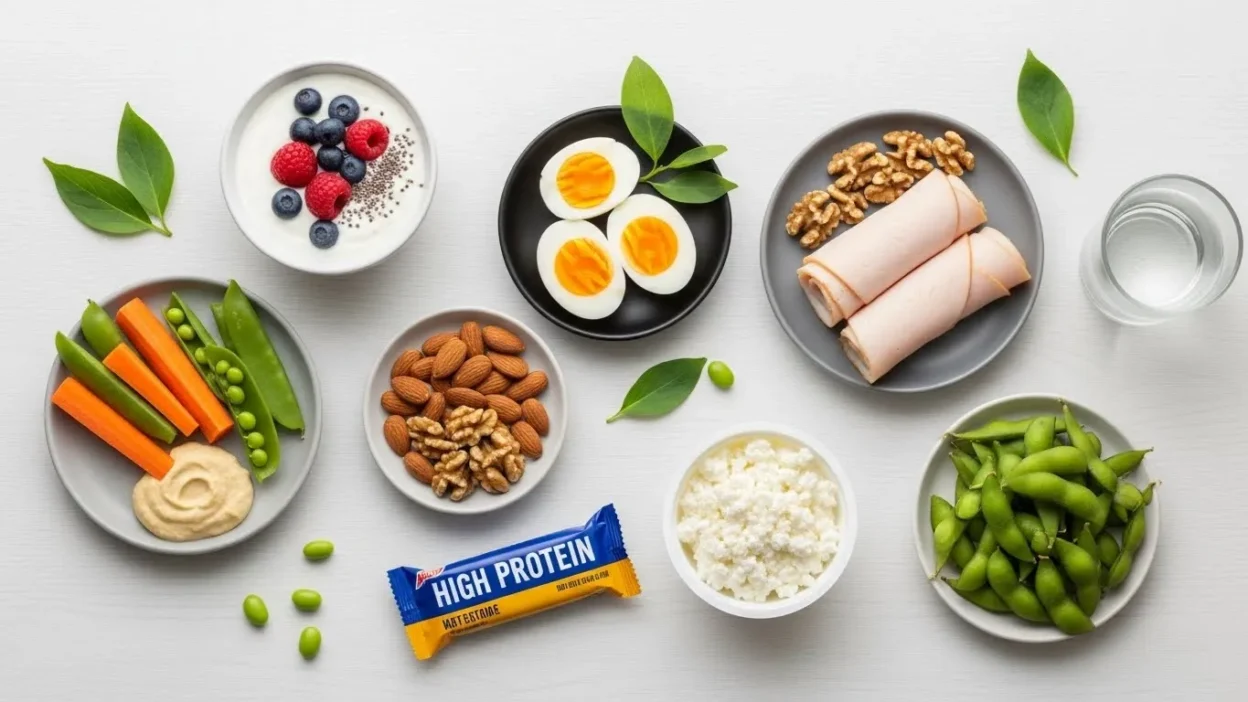
Creating high-protein snacks at home is both cost-effective and customizable, allowing you to control ingredients and portion sizes. One of the easiest options is Greek yogurt. Rich in protein and low in sugar, it pairs perfectly with fresh berries, a sprinkle of nuts, or a drizzle of honey for added flavor and fiber. Similarly, cottage cheese is another protein powerhouse that can be combined with sliced vegetables, fruit, or even a touch of cinnamon for a savory or sweet treat.
Hard-boiled eggs are an excellent grab-and-go option, providing around six grams of protein each. You can spice them up with paprika, black pepper, or a little hot sauce for variety. Another versatile choice is nut butter with fruit or veggies—think almond butter on apple slices or peanut butter on celery sticks. This combo delivers protein, healthy fats, and fiber, keeping you full for hours.
For those who enjoy legumes, roasted chickpeas or edamame are high-protein, crunchy snacks that can be seasoned with your favorite spices for a flavorful twist. Turkey or chicken roll-ups are another simple solution: wrap lean deli meat around cheese sticks or veggies for a protein-rich bite.
Finally, homemade protein smoothies or shakes allow you to combine protein powder, milk or plant-based alternatives, and fruits or vegetables into a satisfying drink. By preparing these snacks at home, you can tailor them to your taste, dietary needs, and weight loss goals, making healthy, high-protein choices both convenient and enjoyable.
High-Protein Snacks for On-the-Go
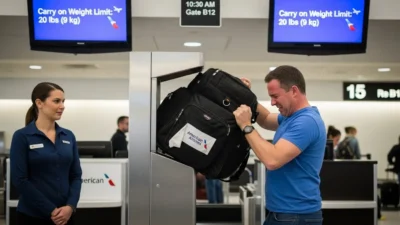
When you’re busy, it’s easy to grab whatever’s convenient—often sugary or processed foods. Having high-protein snacks on hand can help you stay full, curb cravings, and keep your weight loss on track, even when you’re away from home.
Protein bars are a popular option, but it’s important to choose ones that are low in added sugars and high in protein, ideally 15–20 grams per bar. Look for brands that use natural ingredients and minimal fillers. Beef, turkey, or plant-based jerky are another excellent portable choice, providing a savory, protein-rich snack that requires no refrigeration.
Nuts and seeds, such as almonds, walnuts, or pumpkin seeds, are convenient, calorie-dense snacks packed with protein, healthy fats, and fiber. Pre-portioning them into small bags prevents overeating and makes them easy to carry. Cheese sticks or mini cheese packs also make for a satisfying on-the-go protein boost, especially when paired with fruit or whole-grain crackers.
For those who prefer liquids, single-serve protein powders or ready-made protein shakes are convenient options. Just mix with water or milk for a quick, filling snack.
The key to successful on-the-go snacking is planning ahead. Keep a variety of portable, protein-rich options in your bag, car, or desk drawer so you can make healthy choices instead of relying on fast food or vending machines. With these snacks, you can maintain your energy, stay full, and support your weight loss goals no matter where life takes you.
Vegetarian & Vegan High-Protein Snack Options
For those following a vegetarian or vegan diet, there are plenty of high-protein snack options that support weight loss without relying on animal products. Legumes are a fantastic choice—roasted chickpeas, lentil chips, and edamame are all protein-rich, portable, and easy to prepare at home. Season them with spices like paprika, cumin, or garlic powder for a flavorful, crunchy snack.
Tofu and tempeh are other versatile sources of plant-based protein. Cubed and lightly baked or grilled, they can be eaten plain or tossed with your favorite seasonings. For quick snacks, pre-marinated tofu bites or tempeh strips are convenient options that pair well with vegetables or whole-grain crackers.
Nuts and seeds, such as almonds, pumpkin seeds, chia seeds, and sunflower seeds, are naturally high in protein and healthy fats. They can be eaten alone or combined with dried fruit for a satisfying trail mix. Plant-based protein bars or powders also make excellent snacks when you need a quick protein boost. Look for options made from pea protein, rice protein, or hemp protein with minimal added sugar.
Combining different plant proteins throughout the day ensures you’re getting all essential amino acids for muscle maintenance and overall health. Pairing legumes with grains, or nuts and seeds with vegetables, can help create complete proteins. By incorporating these vegetarian and vegan snacks, you can enjoy satisfying, nutrient-dense bites that keep you full, energized, and on track with your weight loss goals.
Timing Your High-Protein Snacks
Knowing when to eat high-protein snacks can make a big difference in controlling hunger, maintaining energy, and supporting weight loss. Strategically timed snacks help prevent overeating at main meals and keep your metabolism active throughout the day.
A mid-morning snack is ideal for bridging the gap between breakfast and lunch. Eating a protein-rich snack, like Greek yogurt with nuts or a boiled egg, can stabilize blood sugar and prevent energy crashes that often lead to unhealthy choices. Similarly, a mid-afternoon snack can help combat the post-lunch slump. Options like roasted chickpeas, protein bars, or a handful of almonds paired with fruit provide sustained energy while keeping cravings at bay.
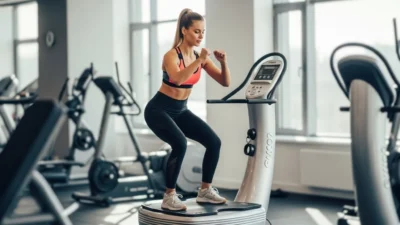
For those who work out, pre- and post-workout snacks are crucial. A small protein snack before exercise fuels muscles and improves performance, while a post-workout protein source, such as a smoothie or protein shake, aids in muscle repair and recovery.
It’s also important to practice mindful snacking. Avoid eating simply out of boredom or stress. Portion your snacks in advance and choose protein-rich options that satisfy hunger effectively without excess calories.
By timing your protein snacks thoughtfully throughout the day, you can maintain energy, support muscle health, and avoid overeating, all of which contribute to more effective and sustainable weight loss. High-protein snacks aren’t just convenient—they’re a strategic tool for staying on track and feeling your best.
Common Mistakes with High-Protein Snacking
Even healthy, high-protein snacks can hinder weight loss if not chosen or consumed wisely. One of the most common mistakes is overeating, even when the snack is nutritious. Nuts, seeds, and protein bars are calorie-dense, and it’s easy to consume more than intended. Pre-portioning snacks into small containers or bags can help control intake and prevent accidental overconsumption.
Another frequent error is choosing protein snacks with hidden sugars or unhealthy fats. Many packaged protein bars, shakes, and flavored yogurts may appear healthy but contain added sugars that spike blood sugar and increase calorie intake. Always check labels carefully, aiming for options with minimal sugar and natural ingredients.
Some people rely solely on snacks instead of balanced meals. While high-protein snacks help with satiety, they cannot replace nutrient-dense meals that provide essential vitamins, minerals, and fiber. Skipping meals and only snacking can disrupt metabolism and hinder long-term weight loss.
Ignoring hydration and fiber is another mistake. Protein alone may not keep you full if your diet is low in water or fiber. Pair snacks with fruits, vegetables, or whole grains to promote fullness and digestive health.
Lastly, not adjusting protein intake based on activity level can be counterproductive. Sedentary individuals may not need as much protein as highly active people, so it’s important to tailor snack portions to your lifestyle.
By avoiding these common pitfalls, you can make high-protein snacking a sustainable and effective part of your weight loss journey.
FAQs:
1. How much protein should a snack contain for weight loss?
A good target is 15–20 grams of protein per snack. This amount helps keep you full, stabilize blood sugar, and prevent cravings between meals.
2. Can high-protein snacks help with fat loss?
Yes. Protein boosts satiety, preserves lean muscle during calorie deficits, and slightly increases calorie burn through the thermic effect of food, all of which support fat loss.
3. Are protein bars a healthy option?
Some are, but it’s important to read labels carefully. Look for bars with high protein, low added sugar, and minimal processed ingredients. Avoid bars that rely heavily on syrups or fillers.
4. Can vegetarians or vegans get enough protein from snacks?
Absolutely. Options like roasted chickpeas, edamame, tofu, tempeh, nuts, seeds, and plant-based protein bars can provide sufficient protein while supporting weight loss.
5. How often should I eat high-protein snacks?
Snacks can be eaten mid-morning, mid-afternoon, or pre/post-workout, depending on your schedule. The key is to prevent extreme hunger while balancing overall calorie intake.
6. Can I overeat healthy high-protein snacks?
Yes. Even nutrient-dense snacks like nuts or cheese can be calorie-dense. Portion control is essential to avoid consuming excess calories.
7. What are some quick, portable options?
Portable snacks include protein bars, jerky, cheese sticks, nuts, seeds, and single-serve protein powders. Pre-portioning them makes them convenient and prevents overeating.
These FAQs address common concerns and help readers make informed choices while incorporating high-protein snacks into a sustainable weight loss plan.
Conclusion
High-protein snacks are a powerful tool for anyone looking to lose weight, manage hunger, and maintain energy throughout the day. Unlike snacks high in refined carbs or sugar, protein-rich options help you feel fuller longer, stabilize blood sugar, and support muscle preservation, all of which are essential for sustainable weight loss.
By incorporating snacks like Greek yogurt, cottage cheese, boiled eggs, roasted chickpeas, nuts, and protein shakes, you can enjoy satisfying bites that keep cravings at bay without sabotaging your goals.
It’s important to remember that not all protein snacks are created equal. Avoid options with hidden sugars or excessive unhealthy fats, and focus on whole, minimally processed foods.
Portion control and mindful snacking are key overconsumption, even of healthy foods, can prevent progress. Timing your snacks strategically, such as mid morning, mid-afternoon, or around workouts, can further enhance energy levels and reduce the temptation to overeat at meals.
Vegetarians and vegans also have plenty of high-protein choices, from edamame and tofu to nuts, seeds, and plant-based protein bars. By planning and preparing your snacks ahead of time, you can make healthy eating convenient, enjoyable, and consistent.
Ultimately, high protein snacks are more than just a way to curb hunger—they’re a strategic part of a weight loss plan. By choosing wisely, timing them properly, and pairing them with balanced meals, you can stay energized, satisfied, and on track to achieve your weight loss goals while enjoying every bite.