
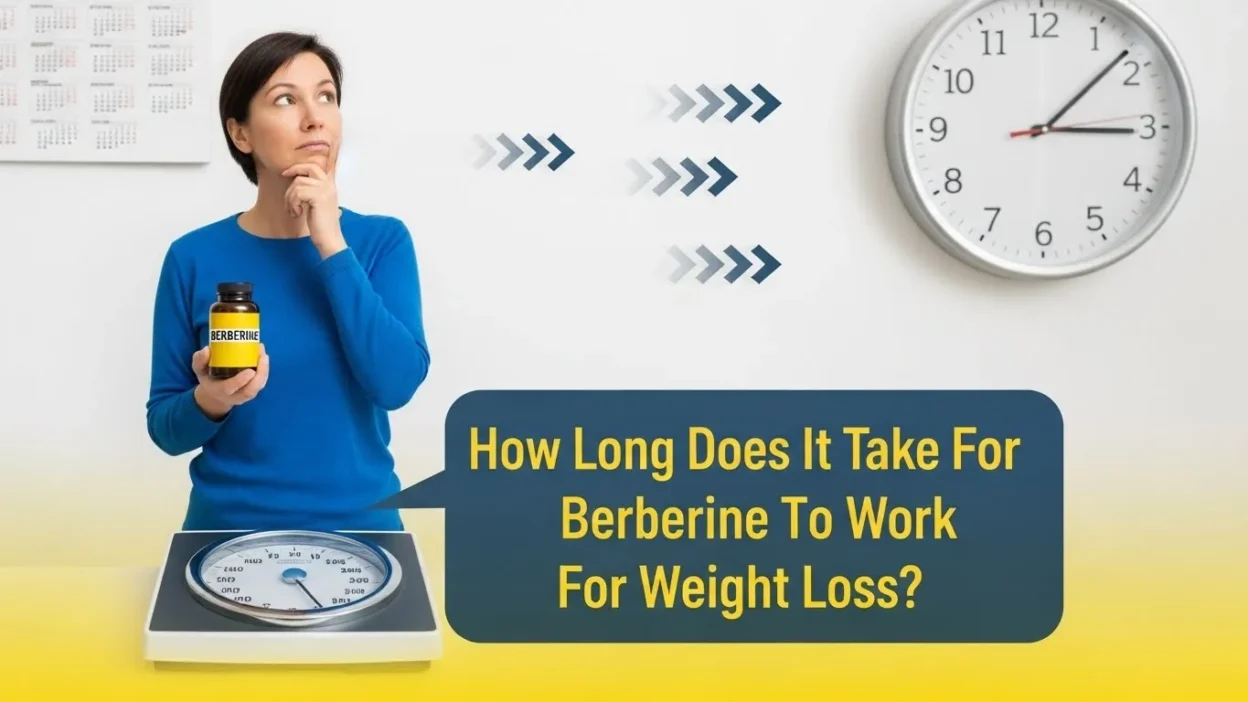
In the search for effective, natural weight loss solutions, berberine has gained significant attention.
Derived from plants like goldenseal, barberry, and Chinese goldthread, berberine is a supplement known for its ability to regulate blood sugar, improve metabolism, and support overall metabolic health.
Many people are curious not just about its benefits, but specifically how long it takes for berberine to work for weight loss. While some notice subtle changes in energy or appetite within a few weeks, visible weight loss typically requires patience and consistent use.
Factors like diet, exercise, lifestyle habits, and dosage all influence results. In this article, we’ll dive into the science behind berberine, explain its role in fat metabolism, provide a realistic timeline for seeing results, and offer practical tips to maximize its weight loss potential.
By the end, you’ll understand how to use berberine effectively and safely for your weight loss journey.
What is Berberine?
Berberine is a naturally occurring compound found in several plants, including goldenseal, barberry, Oregon grape, and Chinese goldthread. For centuries, it has been used in traditional Chinese and Ayurvedic medicine to treat various health issues, from digestive problems to infections. Today, berberine is widely recognized as a supplement that can support metabolic health, blood sugar regulation, and even weight management.
The compound works at a cellular level to improve the way your body processes glucose and fat. By activating an enzyme called AMPK—often referred to as the “metabolic master switch”—berberine helps regulate energy balance, promotes fat breakdown, and improves insulin sensitivity. This makes it a popular choice for people looking to manage weight naturally, especially those struggling with insulin resistance or metabolic syndrome.
Berberine supplements are typically available in capsules or tablets, often standardized to 500 mg per serving. Unlike some weight loss supplements that promise quick fixes, berberine works gradually, supporting your body’s natural metabolic processes over time. Beyond weight loss, research shows berberine may help lower cholesterol, support heart health, and even improve gut microbiome balance, making it a multi-benefit supplement.
Understanding what berberine is and how it functions is essential before exploring how long it takes to see weight loss results, which is the next key point for anyone considering this natural supplement.
How Berberine Helps with Weight Loss
Berberine supports weight loss through several scientifically backed mechanisms, making it more than just a standard supplement. One of its primary actions is activating AMPK, the enzyme often called the “metabolic master switch.” When AMPK is activated, it helps your body convert stored fat into energy, regulates fat storage, and improves overall metabolism. This effect can lead to gradual fat reduction, particularly in stubborn areas like the belly.
Another key benefit of berberine is its ability to improve insulin sensitivity. Insulin is the hormone responsible for controlling blood sugar, and when your cells become resistant to it, excess sugar is stored as fat. Berberine helps your body use insulin more effectively, which can reduce fat accumulation and prevent weight gain.
Berberine also indirectly supports weight loss by helping regulate appetite and energy levels. Some studies suggest it may influence hormones that control hunger, making it easier to stick to a healthy diet. Additionally, by improving blood sugar balance, berberine can prevent energy crashes and sugar cravings that often lead to overeating.
Clinical research has demonstrated that regular berberine use, combined with diet and lifestyle changes, can result in measurable weight loss over time. While it’s not an instant solution, its multi-faceted approach to fat metabolism, blood sugar control, and appetite regulation makes it a powerful natural tool for supporting gradual and sustainable weight loss.
How Long Does Berberine Take to Work for Weight Loss?
One of the most common questions about berberine is how long it takes to see results. The answer isn’t the same for everyone, as multiple factors—such as diet, exercise, metabolism, and consistency—play a role. Generally, people may begin noticing subtle changes within 2 to 4 weeks, such as improved energy levels, reduced sugar cravings, or better blood sugar control. However, visible weight loss usually takes 8 to 12 weeks of consistent use.
Berberine works gradually by supporting your body’s natural metabolic processes rather than providing rapid, short-term results. Early changes are often more metabolic than physical, like improved insulin sensitivity or stabilized blood sugar levels. These changes set the foundation for more noticeable fat loss over time.
It’s important to understand that individual results vary. Someone with a healthy diet, regular exercise routine, and consistent berberine intake may see results sooner, while others with more sedentary lifestyles or pre-existing metabolic conditions might need longer to notice significant changes.
Patience and consistency are key. Taking the supplement as directed, maintaining a balanced diet, and incorporating physical activity can help maximize results. Monitoring your progress through weight tracking, measurements, and even blood sugar levels can provide a realistic picture of how your body is responding.
While berberine is effective, it’s not a magic solution—its true power lies in supporting long-term metabolic health that naturally promotes sustainable weight loss.
Factors That Influence Results
The speed and effectiveness of berberine for weight loss can vary widely from person to person. Understanding the factors that influence results can help set realistic expectations and improve outcomes.
1. Lifestyle Habits: Diet and exercise are critical. Even with berberine, consuming a high-calorie, processed diet can limit weight loss. Combining berberine with a balanced diet—rich in whole foods, fiber, lean proteins, and healthy fats—can enhance fat reduction. Regular physical activity, including both cardio and strength training, further boosts metabolism and accelerates results.
2. Dosage and Supplement Quality: Taking the recommended dosage—commonly 500 mg, 2–3 times per day—is essential for effectiveness. Supplements from reputable brands with standardized berberine content tend to work better than low-quality products.
3. Individual Metabolism and Genetics: People with faster metabolisms may notice changes sooner, while those with slower metabolic rates or insulin resistance may take longer. Age, gender, and pre-existing health conditions can also impact results.
4. Consistency: Berberine is most effective when taken consistently over several weeks. Skipping doses or stopping prematurely can delay or diminish results.
5. Interaction with Other Medications: Certain medications, especially those for diabetes, may influence how your body responds to berberine. Consulting a healthcare professional ensures safety and effectiveness.
By considering these factors, you can understand why some people see faster results while others require patience. A consistent, holistic approach—combining berberine, diet, exercise, and lifestyle adjustments—provides the best chance for sustainable weight loss.
Dosage and Usage Tips
Using berberine correctly is essential to achieve effective weight loss results. Research and clinical studies typically recommend a dosage of 500 mg, 2 to 3 times per day. This ensures consistent blood levels of berberine throughout the day, maximizing its effects on metabolism and blood sugar regulation.
Timing matters: Berberine is best taken before or with meals. This helps reduce post-meal blood sugar spikes and enhances fat metabolism. Splitting the total daily dose into multiple smaller doses is more effective than taking a single large dose, as berberine has a relatively short half-life in the body.
Supplement quality is critical: Look for products from reputable brands that guarantee standardized berberine content. Some supplements also include absorption enhancers like piperine, which may improve effectiveness.
Combining with lifestyle changes: While berberine works on its own, pairing it with a balanced diet, regular exercise, and adequate sleep significantly accelerates results. Reducing refined sugars and processed foods can further enhance fat loss and improve metabolic health.
Starting gradually: If you are new to berberine, consider starting with a lower dose to minimize potential digestive discomfort, such as nausea or diarrhea. Gradually increasing to the full recommended dose allows your body to adjust.
By following these dosage and usage tips, you can safely and effectively use berberine as part of a long-term weight loss strategy, ensuring consistent, gradual, and sustainable results.
Safety and Side Effects
While berberine is generally considered safe for most healthy adults, it’s important to be aware of potential side effects and precautions before starting supplementation. The most common side effects are mild and digestive in nature. Some people may experience diarrhea, constipation, bloating, gas, or stomach cramps, especially when starting berberine for the first time or taking higher doses. These symptoms often subside as the body adjusts or when the dosage is split into smaller portions throughout the day.
Precautions: Certain groups should exercise caution or avoid berberine altogether. Pregnant or breastfeeding women, children, and individuals with certain health conditions—such as severe liver or kidney disease—should consult a healthcare professional before using berberine.
Drug interactions: Berberine can interact with medications, particularly those that lower blood sugar (like insulin or metformin), blood thinners, and some antibiotics. Combining berberine with these drugs may amplify effects or increase the risk of side effects. Always discuss supplementation with a doctor if you’re taking prescription medications.
Reducing side effects: Starting with a lower dose and gradually increasing to the recommended amount can minimize gastrointestinal discomfort. Taking berberine with meals also helps reduce digestive issues.
Overall, berberine is a safe and effective supplement for supporting metabolic health and weight loss when used responsibly. Understanding potential side effects, following dosage recommendations, and consulting a healthcare professional can ensure safe, long-term use while maximizing benefits.
Tips to Maximize Weight Loss with Berberine
To get the most out of berberine for weight loss, it’s important to combine supplementation with effective lifestyle strategies. While berberine helps improve metabolism and blood sugar control, it works best when paired with healthy habits.
1. Follow a Balanced Diet: Focus on whole, nutrient-dense foods such as vegetables, lean proteins, whole grains, and healthy fats. Limiting refined sugars and processed foods enhances berberine’s ability to regulate blood sugar and reduce fat storage.
2. Exercise Regularly: Incorporating both cardio and resistance training can amplify berberine’s metabolic effects. Exercise not only burns calories but also improves insulin sensitivity, complementing berberine’s role in fat metabolism.
3. Maintain Consistency: Take berberine at the same times each day, following recommended dosages. Skipping doses or taking it irregularly can reduce effectiveness.
4. Monitor Progress: Track your weight, measurements, or even blood sugar levels. This helps you understand how your body responds and allows you to make small adjustments to your diet or exercise routine.
5. Manage Stress and Sleep: Chronic stress and poor sleep can interfere with metabolism and weight loss. Adequate sleep and stress-reducing activities, like meditation or light exercise, can enhance results.
6. Be Patient: Weight loss with berberine is gradual. Early metabolic improvements, such as better blood sugar control, often precede visible fat loss.
By combining berberine with a healthy lifestyle, consistent supplementation, and realistic expectations, you can achieve sustainable and long-term weight loss while supporting overall metabolic health.
FAQs
1. How fast does berberine help lose weight?
Berberine usually starts affecting metabolism and blood sugar within 2–4 weeks, but noticeable weight loss typically takes 8–12 weeks of consistent use. Results vary based on diet, exercise, metabolism, and lifestyle habits.
2. Can I take berberine with other supplements?
Yes, berberine can be combined with other natural supplements like probiotics or green tea extract. However, be cautious when combining with blood sugar-lowering medications to avoid hypoglycemia. Always consult a healthcare professional if you’re on prescription drugs.
3. Is berberine safe for long-term use?
Studies suggest berberine is generally safe when taken at recommended dosages for several months. However, long-term effects beyond a year are less studied. Regular monitoring and consultation with a doctor are advised.
4. Does berberine work without diet and exercise?
While berberine improves metabolism, blood sugar, and fat regulation, lifestyle habits like diet and exercise significantly enhance results. Relying solely on supplements may limit effectiveness.
5. Can berberine help with belly fat?
Yes, by improving insulin sensitivity and fat metabolism, berberine can reduce abdominal fat over time. Consistency, combined with proper diet and exercise, is key.
6. What is the best time to take berberine?
Splitting your dose 2–3 times a day with meals helps maintain steady blood levels and reduces digestive discomfort, optimizing weight loss and metabolic benefits.
These FAQs address common concerns and help readers understand how to safely and effectively use berberine for sustainable weight loss.
Conclusion
Berberine has emerged as a popular natural supplement for supporting weight loss and overall metabolic health.
Its ability to activate AMPK, improve insulin sensitivity, regulate blood sugar, and enhance fat metabolism makes it a valuable tool for those seeking sustainable weight loss.
However, it’s important to understand that berberine is not a quick fix. While some early metabolic improvements may be noticed within 2–4 weeks, visible weight loss typically requires 8–12 weeks of consistent use, combined with a healthy lifestyle.
Several factors influence how quickly and effectively berberine works, including diet, exercise, lifestyle habits, supplement quality, and individual metabolism. Following recommended dosages—commonly 500 mg, 2–3 times per day—and taking it with meals helps optimize results while minimizing side effects like gastrointestinal discomfort.
To maximize the benefits of berberine, it’s best to combine supplementation with balanced nutrition, regular physical activity, adequate sleep, and stress management. Tracking progress through measurements, weight, and blood sugar levels can provide insight into how your body responds.
Ultimately, berberine works best as a supportive tool in a comprehensive weight loss strategy.
With patience, consistency, and healthy habits, it can help you achieve gradual, sustainable weight loss while promoting long-term metabolic and cardiovascular health.
Always consult a healthcare professional before starting any new supplement, especially if you are taking medications or have pre-existing health conditions.
Berberine is most effective when viewed as a long-term ally for your weight loss journey, rather than a miracle solution.

Hi, I’m Maya Angelou, and I’m thrilled to welcome you to Crushlinez! I created this space because I love helping people express themselves with clever, funny, and flirty lines.