
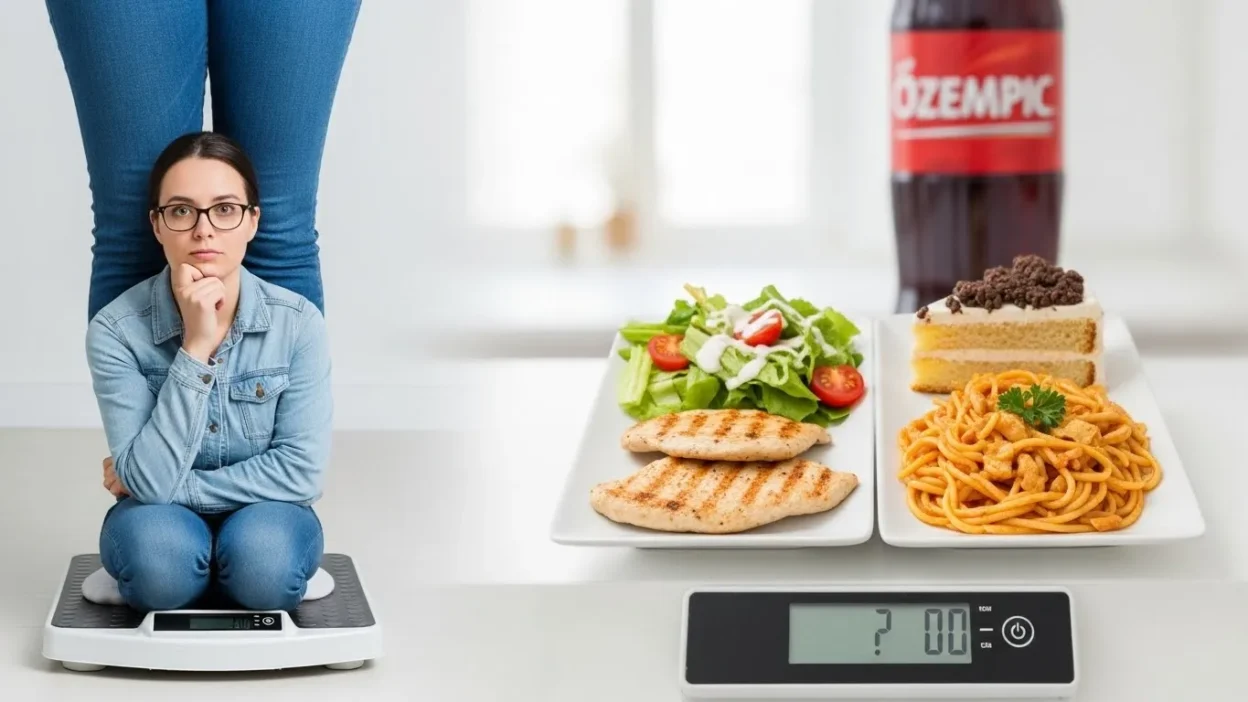
Ozempic (semaglutide) has become a popular medication for weight loss, helping many people reduce appetite, control cravings, and achieve significant results.
However, a common concern arises when people stop taking Ozempic: the fear of regaining lost weight.
Weight maintenance after Ozempic isn’t automatic, and without a strategic plan, it’s easy to slip back into old habits that contributed to weight gain in the first place.
Understanding why weight rebound occurs and adopting effective lifestyle strategies is key to long-term success.
In this article, we’ll explore practical steps to prevent weight gain after stopping Ozempic, covering diet, exercise, behavioral habits, and psychological approaches.
If you’re finishing your course of Ozempic or planning to discontinue it soon, these actionable tips will help you maintain your progress, stabilize your metabolism, and develop sustainable habits for lasting weight management.
Why Weight Gain Happens After Stopping Ozempic
Understanding why weight gain can occur after stopping Ozempic is the first step in preventing it. Ozempic, a GLP-1 receptor agonist, works by suppressing appetite, slowing stomach emptying, and regulating blood sugar levels. While on the medication, many users experience reduced hunger and smaller portion sizes almost effortlessly.
However, when the medication is discontinued, these appetite-suppressing effects gradually wear off. Hunger signals return, and people may unconsciously revert to their previous eating habits, leading to weight regain.
Metabolism also plays a role. Some studies suggest that losing weight can slightly lower resting metabolic rate, meaning the body burns fewer calories than before. Combined with increased appetite, this creates the perfect environment for rebound weight gain.
Hormonal changes contribute as well—ghrelin, the “hunger hormone,” can rise after stopping Ozempic, triggering stronger cravings and increased food intake.
Behavioral and psychological factors are equally important. Many individuals rely on the medication to manage portion control and curb cravings. Without it, it’s easy to slip back into old routines, especially during stressful periods or social situations. Additionally, anxiety about potential weight regain can create a cycle of emotional eating, further increasing the risk.
Recognizing these physiological and behavioral factors is crucial. By understanding why weight rebound occurs, you can implement targeted strategies in diet, exercise, and lifestyle to maintain your weight and prevent frustration after discontinuing Ozempic.
Dietary Strategies to Prevent Weight Gain
One of the most important ways to prevent weight gain after stopping Ozempic is to adopt sustainable dietary strategies. While on the medication, appetite suppression often made portion control easier. Once that effect diminishes, consciously managing what and how much you eat becomes essential. Gradual adjustments to calorie intake are key—cutting calories too drastically can backfire, slowing metabolism and increasing cravings. Instead, focus on balanced meals that provide sufficient nutrients while keeping hunger in check.
Prioritize whole, nutrient-dense foods. Vegetables, fruits, lean proteins, whole grains, and healthy fats help maintain satiety and provide the energy your body needs. High-fiber foods, in particular, can curb hunger and stabilize blood sugar, reducing the temptation to snack on processed items. Limiting refined sugars, sugary beverages, and highly processed foods also prevents sudden spikes in appetite.
Practical tips include mindful portion control and meal timing. Eating smaller, frequent meals or planning snacks with protein and fiber can prevent overeating. Meal prepping ahead of time reduces the likelihood of reaching for quick, calorie-dense options. Additionally, staying hydrated is crucial, as thirst is often mistaken for hunger.
By implementing these dietary strategies, you can manage appetite naturally, prevent rebound weight gain, and create a foundation for long-term weight maintenance. Combined with exercise and behavioral strategies, mindful eating ensures that the results you achieved on Ozempic are preserved.
Exercise and Physical Activity
Exercise plays a crucial role in maintaining weight after stopping Ozempic. While the medication helps suppress appetite, physical activity supports metabolism, burns calories, and preserves lean muscle mass, all of which help prevent rebound weight gain. Incorporating a consistent exercise routine ensures that your body continues to expend energy efficiently even after discontinuing the medication.
A balanced approach combining cardiovascular and strength training is ideal. Cardio exercises like brisk walking, cycling, or swimming help burn calories and improve heart health, while strength training builds and maintains muscle. More muscle mass increases resting metabolic rate, meaning you burn more calories even at rest. This combination is especially effective for stabilizing weight long-term.
Non-exercise activity thermogenesis (NEAT) is another important factor. Simple daily movements such as taking stairs, walking during breaks, or standing more often contribute significantly to total calorie expenditure. Even small adjustments, like short walks after meals, can make a difference over time.
Creating a realistic, sustainable routine is essential. Aim for at least 150 minutes of moderate-intensity cardio per week, combined with two to three strength-training sessions targeting major muscle groups. Consistency matters more than intensity—finding activities you enjoy ensures long-term adherence.
Finally, pairing exercise with dietary and behavioral strategies maximizes results. Regular movement not only helps maintain weight but also improves mood, reduces stress, and supports healthy habits that continue long after Ozempic use has ended.
Behavioral and Psychological Approaches
Maintaining weight after stopping Ozempic isn’t just about diet and exercise—it also requires attention to behavioral and psychological factors. Developing healthy habits and a mindful mindset can help prevent rebound weight gain and support long-term success.
Mindful eating is a key strategy. This means paying attention to hunger and fullness cues, eating slowly, and savoring each bite. By recognizing when you’re truly hungry versus eating out of boredom or stress, you can avoid unnecessary calories. Tracking meals, either through a journal or an app, also increases awareness of patterns and triggers.
Emotional eating is another common challenge. Stress, anxiety, or social pressures can lead to overeating, especially once appetite suppression from Ozempic wears off. Identifying triggers—such as certain times of day, moods, or situations—and developing coping strategies like meditation, walking, or talking to a friend can help reduce these episodes.
Setting realistic goals is equally important. Expecting perfect weight maintenance can create frustration and even contribute to overeating. Instead, focus on small, sustainable changes—like gradually adjusting portion sizes or adding an extra 10 minutes of activity daily. Celebrating small successes keeps motivation high and reinforces positive behavior.
Finally, accountability and support systems play a role. Sharing goals with friends, family, or online communities can provide encouragement, tips, and reinforcement when challenges arise. By combining behavioral strategies with dietary and exercise approaches, you create a holistic plan that addresses both the mind and body, helping maintain the progress achieved while on Ozempic.
Lifestyle Adjustments and Long-Term Habits
Beyond diet, exercise, and behavioral strategies, lifestyle factors play a critical role in maintaining weight after stopping Ozempic. Small, consistent adjustments in daily routines can have a major impact on long-term weight management.
Sleep is one often-overlooked factor. Poor or insufficient sleep can disrupt hormones that regulate appetite, increasing cravings for high-calorie foods. Aim for 7–9 hours of quality sleep each night and establish a consistent bedtime routine to support metabolism and energy levels.
Stress management is equally important. Chronic stress triggers the release of cortisol, which can increase appetite and promote fat storage, especially around the abdomen. Techniques such as meditation, deep breathing exercises, yoga, or journaling can help reduce stress and prevent emotional eating.
Environmental and social factors also influence eating habits. Keeping unhealthy foods out of immediate reach, organizing your kitchen for healthy choices, and surrounding yourself with supportive friends or family can make it easier to stick to your goals. Planning meals and snacks ahead of time reduces the temptation of quick, calorie-dense options.
Finally, building long-term habits is about consistency, not perfection. Incorporating small, sustainable changes—like adding a daily walk, drinking more water, or prepping balanced meals—can create a foundation for lasting weight maintenance. By focusing on lifestyle adjustments alongside diet, exercise, and behavioral strategies, you can protect the progress you achieved on Ozempic and support a healthier, sustainable approach to weight management.
Monitoring and Professional Support
Maintaining weight after stopping Ozempic requires regular monitoring and, when needed, professional guidance. Tracking your progress helps identify patterns, make adjustments, and stay accountable, reducing the risk of rebound weight gain.
Regularly weighing yourself, ideally once a week under consistent conditions, provides a clear picture of your weight trends. Additionally, tracking body composition—such as muscle mass versus fat mass—can be more informative than weight alone, especially if you’re combining diet with strength training. Using apps or journals to log meals, physical activity, and mood can help identify triggers for overeating or lapses in healthy habits.
Professional support can make a significant difference. Nutritionists or dietitians can help design individualized meal plans, recommend portion sizes, and provide guidance on nutrient balance. A personal trainer can create a tailored exercise plan to maintain muscle mass and metabolism. Healthcare providers can also assess metabolic health and determine if other medical interventions may be appropriate.
Knowing when to seek help is crucial. If weight gain is rapid, persistent, or accompanied by changes in health, consulting a doctor is important to rule out underlying conditions. Additionally, support groups, either in-person or online, provide motivation, practical tips, and accountability from people experiencing similar challenges.
By combining self-monitoring with professional guidance, you can maintain awareness, adjust strategies proactively, and protect your progress after stopping Ozempic. This approach ensures that weight management is sustainable, evidence-based, and tailored to your individual needs.
Common Myths and Misconceptions
When it comes to maintaining weight after stopping Ozempic, there are several myths and misconceptions that can cause unnecessary worry or even sabotage your efforts. Understanding the truth behind these misconceptions is essential for sustainable weight management.
One common myth is that “I’ll automatically gain all the weight back.” While some weight regain can occur, it is not inevitable. With proper lifestyle adjustments—like mindful eating, consistent exercise, and healthy habits—most people can maintain a significant portion of their weight loss. Planning ahead and being proactive is far more effective than relying on hope alone.
Another misconception is that “dieting alone is enough.” While caloric intake is important, diet without exercise, behavioral strategies, and lifestyle adjustments is often insufficient. Physical activity, adequate sleep, stress management, and habit formation all play critical roles in maintaining weight long-term.
Some also believe that “exercise has to be extreme to work.” In reality, consistency matters more than intensity. Moderate daily activity, such as brisk walking, strength training, or small lifestyle movements, can effectively support metabolism and weight stability over time.
Lastly, a common false belief is that “weight maintenance is impossible without medication.” Ozempic can make initial weight loss easier, but long-term maintenance relies on habits, behaviors, and mindset. By addressing the physiological, psychological, and lifestyle factors that influence weight, you can successfully prevent rebound weight gain even without medication.
By debunking these myths, you can approach post-Ozempic weight maintenance with a realistic and empowered mindset, reducing stress and increasing your chances of long-term success.
Practical Action Plan
Creating a practical action plan is key to preventing weight gain after stopping Ozempic. Small, consistent habits applied daily can make a significant difference in maintaining your progress.
Start with meal planning. Preparing balanced meals and snacks in advance ensures that you have healthy options readily available, reducing the temptation to reach for high-calorie foods. Include a mix of lean protein, fiber-rich vegetables, whole grains, and healthy fats to keep you full and satisfied. Drinking plenty of water throughout the day also helps prevent mistaking thirst for hunger.
Incorporate regular physical activity into your routine. Aim for at least 150 minutes of moderate-intensity cardio each week and two to three strength-training sessions to maintain muscle mass and metabolism. Include small daily movements, such as taking the stairs, walking during breaks, or short stretching sessions, which add up to significant calorie expenditure over time.
Focus on mindful eating and habit tracking. Pay attention to hunger cues, eat slowly, and avoid distractions like screens while eating. Tracking your meals, workouts, and progress in a journal or app helps identify patterns and areas for improvement.
Finally, build a support system. Share your goals with friends, family, or online communities for encouragement, accountability, and tips. Remember that consistency, not perfection, is the goal. By combining these strategies, you create a structured, realistic plan that addresses diet, activity, behavior, and support, giving you the best chance to maintain your weight and sustain the results achieved while on Ozempic.
FAQs:
1. Will I gain all the weight back after stopping Ozempic?
Not necessarily. Some weight regain is common, but it can be minimized or prevented by adopting healthy eating habits, regular exercise, and consistent lifestyle routines. Planning ahead is crucial.
2. How quickly does weight regain occur?
Weight gain varies for each individual. Some may notice gradual increases within weeks, while others maintain their weight for months. Appetite, metabolism, and lifestyle habits all influence this timeline.
3. Can diet alone prevent weight gain?
Diet is important but not sufficient on its own. Combining mindful eating with exercise, stress management, sleep, and behavioral strategies provides a more effective and sustainable approach.
4. What types of exercise are best?
A mix of cardiovascular activity (walking, swimming, cycling) and strength training is ideal. Even small daily movements, like taking stairs or walking after meals, support metabolism and help maintain weight.
5. How can I manage increased appetite?
Focus on high-fiber, protein-rich meals and snacks, stay hydrated, and eat mindfully. Identifying triggers for emotional or stress-related eating can also help prevent overeating.
6. Should I seek professional help?
Consulting a nutritionist, personal trainer, or healthcare provider can be beneficial if weight regain is a concern or if you want tailored advice. They can create personalized plans and monitor your progress safely.
7. Is weight maintenance possible without medication?
Yes. Long-term weight stability depends on sustainable lifestyle habits, not medication alone. Ozempic helps with initial loss, but continued healthy routines are the key to success.
Conclusion
Maintaining weight after stopping Ozempic may seem challenging, but with the right strategies, it is entirely achievable.
Understanding why weight rebound occurs whether due to returning appetite, hormonal shifts, or lifestyle factors is the first step toward prevention.
By addressing both the physiological and behavioral aspects of weight management, you can protect the progress you achieved while on the medication.
A sustainable approach combines diet, exercise, behavioral habits, and lifestyle adjustments.
Balanced, nutrient-dense meals with adequate protein and fiber help control hunger, while regular physical activity supports metabolism and preserves muscle mass.
Mindful eating, habit tracking, and emotional regulation empower you to make conscious choices rather than relying on willpower alone.
Small, consistent lifestyle changes like improving sleep, managing stress, and staying active throughout the day further reinforce long-term results.
Monitoring your progress through weekly weigh-ins, body composition checks, or journaling provides insight into patterns and allows timely adjustments.
Additionally, seeking professional support from nutritionists, trainers, or healthcare providers can offer personalized guidance and accountability.
Ultimately, weight maintenance after Ozempic is about creating sustainable habits rather than seeking quick fixes.
By implementing a structured, holistic approach, you can maintain your weight, support your metabolism, and enjoy the benefits of a healthier lifestyle.
Remember, the goal is progress, not perfection, and consistent effort will yield lasting results even after discontinuing medication.