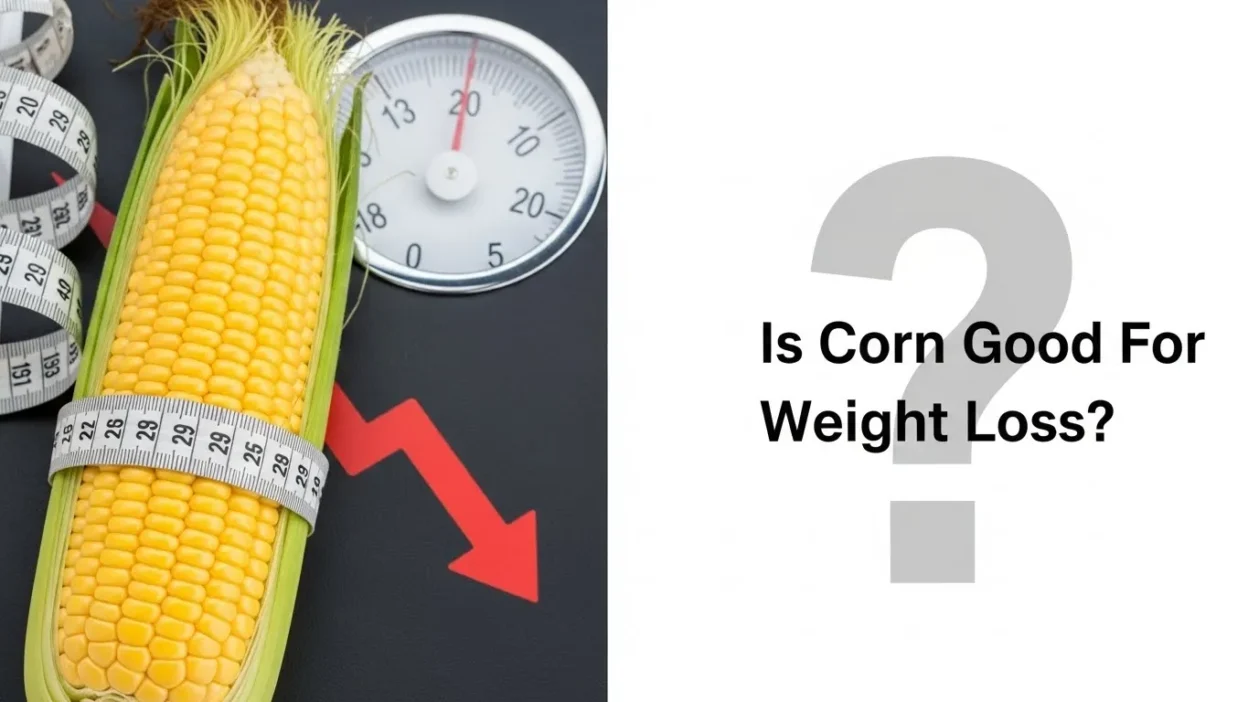
Corn often gets mixed reviews when it comes to dieting. Some people see it as a starchy vegetable that can hinder weight loss, while others consider it a nutritious addition to a healthy diet.
So, is corn actually good for weight loss? The answer isn’t a simple yes or no it depends on how you consume it and in what quantity.
Packed with fiber, essential vitamins, and minerals, corn can help you feel full, boost digestion, and provide energy for daily activities.
However, overconsumption or relying on processed corn products, like chips or syrups, can lead to unwanted weight gain.
In this article, we’ll explore the nutritional profile of corn, its potential benefits and drawbacks for weight management, and practical tips on how to include it in your diet.
By the end, you’ll know whether corn can be a healthy ally in your weight-loss journey.
Nutritional Profile of Corn
Corn is more than just a starchy vegetable; it offers a range of nutrients that can support a balanced diet. One medium ear of boiled corn contains around 90–100 calories, with 19–21 grams of carbohydrates, 3 grams of protein, and less than 1 gram of fat. Its fiber content, about 2 grams per ear, helps promote digestion and keeps you feeling full for longer—an important factor for weight loss.
Corn is also packed with essential vitamins and minerals. It provides vitamin B6, which supports metabolism, vitamin C for immune health, and magnesium and potassium, which help regulate blood pressure and muscle function. In addition, corn contains antioxidants like lutein and zeaxanthin, which are beneficial for eye health and overall wellness.
Different types of corn vary slightly in nutrition. Sweet corn is the most common and is naturally higher in sugar, while popcorn is a whole-grain, low-calorie snack if prepared without added butter or oil. Cornmeal or corn flour can be used in baking and cooking, but it is more calorie-dense, so portion control is essential.
Understanding corn’s nutritional profile shows that, when eaten in moderation and prepared healthily, it can be a nutritious addition to a weight-loss diet. It provides energy, fiber, and essential nutrients without excessive fat or calories.
How Corn Can Support Weight Loss
Corn can be a surprising ally for weight loss when included in a balanced diet. One of its main benefits is fiber, which plays a crucial role in controlling appetite. The fiber in corn slows digestion, helps maintain stable blood sugar levels, and keeps you feeling full for longer. This reduces the likelihood of overeating or snacking on high-calorie foods between meals.
Another way corn supports weight management is by providing complex carbohydrates, which are a key energy source for daily activities and workouts. Unlike simple sugars, these carbs are digested slowly, helping to fuel your body while preventing sudden spikes in blood sugar. This makes corn an excellent option for pre-workout meals or snacks.
Corn also contains essential vitamins and minerals that aid metabolism and overall health. For instance, B vitamins help convert food into energy, while magnesium supports muscle function and energy production. Including corn in your meals can contribute to a well-rounded diet that promotes fat loss without compromising nutrition.
The key to weight-loss benefits is how you prepare and consume corn. Boiled, steamed, or grilled corn is ideal, while processed corn products like chips, syrups, or fried corn should be limited. Pairing corn with protein and vegetables can enhance satiety and make meals more satisfying.
In summary, corn’s fiber content, energy-providing carbs, and nutrient density make it a smart choice for those looking to lose weight—if eaten wisely and in moderation.
Potential Drawbacks of Eating Corn for Weight Loss
While corn offers many nutritional benefits, it also has some potential drawbacks that could affect weight loss if not consumed mindfully. One major concern is its high glycemic index (GI). Foods with a high GI can cause rapid spikes in blood sugar, which may lead to increased hunger and cravings. This is especially important for people managing diabetes or those following a low-carb diet.
Another issue is the calorie density of processed corn products. While plain boiled or grilled corn is relatively low in calories, items like corn chips, corn syrup, or fried corn snacks can be very high in fat and added sugars. These products can quickly contribute to excess calorie intake, making weight loss more difficult.
Overeating corn, even in its natural form, can also be counterproductive. Corn is carbohydrate-rich, and consuming large portions without balancing it with protein or healthy fats may result in consuming more calories than intended.
Finally, some people may experience digestive discomfort from corn due to its fiber content, especially if they are not used to high-fiber foods. Bloating or gas can occur if corn is eaten in large quantities.
In conclusion, while corn can support weight loss when eaten wisely, it’s essential to watch portion sizes, avoid processed corn products, and pair it with protein and vegetables. Being mindful of these factors ensures that corn contributes positively to a weight-loss plan without unintended drawbacks.
Best Ways to Eat Corn for Weight Loss
Incorporating corn into a weight-loss diet doesn’t have to be complicated. The key is preparation, portion control, and pairing with other nutrient-dense foods. One of the healthiest ways to enjoy corn is boiled or steamed, which retains most of its nutrients without adding extra calories. Grilled corn is another excellent option, offering flavor without unhealthy fats, especially when lightly seasoned with herbs or spices instead of butter.
Portion control is essential. A medium ear of corn or half a cup of kernels is generally a reasonable serving for a meal. Overeating, even healthy foods, can slow weight loss. Pairing corn with lean protein like chicken, fish, or beans and plenty of non-starchy vegetables enhances satiety and balances blood sugar.
Popcorn can also be a low-calorie snack, as long as it’s air-popped and not loaded with butter, oil, or sugar. Avoid processed corn products like chips, corn syrup, or fried snacks, which can add unnecessary calories and sugar.
Cornmeal and corn flour can be included in baked or cooked dishes, but moderation is key, as these forms are more calorie-dense. Mixing corn with whole grains, vegetables, and lean proteins can make filling meals that support weight loss.
By choosing natural corn, controlling portions, and pairing it wisely, corn can be a satisfying and nutritious part of a weight-loss diet. Simple adjustments in preparation and meal planning can maximize its benefits while minimizing risks.
Corn vs. Other Weight-Loss Friendly Foods
When planning a weight-loss diet, it’s helpful to compare corn with other healthy carbohydrate sources to understand its benefits and limitations. Corn is rich in fiber, vitamins, and minerals, but it is also higher in carbohydrates than some alternatives. For example, quinoa provides more protein per serving, which can enhance satiety and support muscle maintenance during weight loss. Oats, on the other hand, are excellent for breakfast, offering slow-digesting carbs that help control blood sugar and hunger throughout the morning.
Sweet potatoes are another weight-loss-friendly option, offering fewer calories per serving than corn and a lower glycemic index. They are also packed with antioxidants like beta-carotene, which support overall health. Corn has the advantage of versatility and convenience, making it easy to include in meals such as salads, soups, and stir-fries, while some grains may require longer preparation.
Portion size is an important factor in comparing these foods. A half-cup serving of corn provides around 90–100 calories, which is comparable to other grains like rice or barley, but corn’s higher sugar content means that pairing it with protein and vegetables is ideal to maintain stable blood sugar levels.
In summary, corn is a nutritious option, but rotating it with quinoa, oats, and sweet potatoes can create variety in your diet and optimize weight-loss results. Each food has unique advantages, so combining them strategically ensures a balanced, satisfying, and effective weight-loss plan.
Corn-Based Snacks and Recipes for Weight Loss
Corn can be a versatile and satisfying ingredient in weight-loss-friendly meals and snacks.
One of the easiest options is air-popped popcorn, which is a low-calorie, high-fiber snack that can keep you full between meals. Avoid adding butter, oil, or sugary toppings to maximize its weight-loss benefits.
Instead, try seasoning with herbs, spices, or a light sprinkle of nutritional yeast for flavor.
Boiled or grilled corn on the cob makes a simple side dish for lunch or dinner. Pair it with lean proteins like chicken, fish, or tofu and a variety of non-starchy vegetables to create a balanced, filling meal. Corn can also be added to salads or soups, adding natural sweetness, fiber, and texture without excessive calories.
For breakfast or snack options, cornmeal or polenta can be used to prepare healthy, savory dishes. For instance, a small serving of polenta topped with vegetables or a poached egg provides a satisfying, nutrient-dense meal.
Another idea is Mexican-style corn salad using fresh corn, tomatoes, cucumbers, and a light dressing made with lemon juice or olive oil. This dish combines fiber, vitamins, and antioxidants while keeping calories in check.
The key to using corn for weight loss is choosing natural forms, controlling portions, and avoiding processed corn products such as chips, fried corn, or corn syrup. By incorporating corn into healthy recipes and snacks, you can enjoy its flavor and nutritional benefits without compromising your weight-loss goals.
FAQs
1. Can I eat corn every day for weight loss?
Yes, but in moderation. A medium ear of corn or half a cup of kernels is generally enough per meal. Pair it with protein and vegetables to keep blood sugar stable and increase satiety.
2. Is popcorn a good weight-loss snack?
Yes, air-popped popcorn is low in calories and high in fiber. Avoid adding butter, oil, or sugar, which can quickly increase calorie intake. Seasoning with herbs or spices is a healthy alternative.
3. How much corn is safe to eat while dieting?
Portion control is key. About ½ to 1 cup of corn per meal is a good guideline. Eating more than this regularly can add extra calories and carbs, which may hinder weight loss.
4. Does corn make you gain belly fat?
Not by itself. Weight gain occurs when you consume more calories than your body needs. Whole, natural corn eaten in moderation is unlikely to cause belly fat, but processed corn products like chips and syrups can contribute to weight gain.
5. Is canned or frozen corn better than fresh?
Fresh corn retains the most nutrients, but frozen corn is also nutritious and convenient. Choose canned corn without added sugar or salt if fresh or frozen is unavailable.
6. Can corn be eaten on low-carb or keto diets?
Corn is relatively high in carbohydrates, so it’s generally not recommended on strict low-carb or keto diets. It can fit into moderate-carb plans with careful portioning.
These FAQs help clear common misconceptions and provide practical guidance on including corn in a weight-loss diet safely.
Conclusion
Corn can be a valuable addition to a weight-loss diet when consumed mindfully and prepared in healthy ways.
Its fiber content helps promote satiety, while complex carbohydrates provide a steady source of energy for daily activities and workouts.
Corn also offers essential vitamins and minerals, including B vitamins, magnesium, potassium, and antioxidants like lutein and zeaxanthin, supporting overall health while you work toward your weight-loss goals.
However, it’s important to consider potential drawbacks. Corn has a moderate to high glycemic index, which can affect blood sugar levels if eaten in excess.
Processed corn products such as chips, syrups, and fried snacks can add unnecessary calories and sugar, potentially hindering weight-loss progress. Portion control, choosing natural forms of corn, and pairing it with protein and vegetables are key strategies to maximize its benefits.
Corn’s versatility allows it to be enjoyed in many forms—boiled, steamed, grilled, or even as air-popped popcorn—making it easy to include in a balanced, satisfying diet.
Comparing corn with other weight-loss-friendly foods like quinoa, oats, or sweet potatoes highlights its strengths while encouraging dietary variety, which is essential for long-term success.
In conclusion, corn can support weight loss when used thoughtfully as part of a well-rounded, nutrient rich diet.
By focusing on moderation, healthy preparation, and balanced meals, you can enjoy the flavor and nutrition of corn without compromising your weight loss goals.
Start incorporating corn into your meals today and discover how it can complement your journey toward a healthier, more energized you.