Ozempic has quickly become one of the most talked-about medications for weight loss, especially among people struggling to lose weight through diet and exercise alone.
As more users see real results, a common and important question keeps coming up: what is the maximum dose of Ozempic for weight loss? Understanding dosage is crucial—not just for effectiveness, but for safety as well.
While higher doses may lead to greater appetite suppression and weight loss, they also come with an increased risk of side effects if not managed correctly.
Ozempic was originally developed to treat type 2 diabetes, and its use for weight loss often follows strict medical guidelines.
In this article, we’ll break down everything you need to know about Ozempic dosing, including how it works, how doses are increased, what the maximum dose is, and who may qualify for it so you can make informed, responsible decisions about your weight loss journey.
What Is Ozempic and How Does It Work?
Ozempic is the brand name for semaglutide, a prescription medication that belongs to a class of drugs known as GLP-1 receptor agonists. It was originally developed and FDA-approved to help manage blood sugar levels in people with type 2 diabetes, but it has also gained widespread attention for its powerful weight loss effects.
Ozempic works by mimicking a naturally occurring hormone in the body called glucagon-like peptide-1 (GLP-1). This hormone plays a key role in regulating appetite, digestion, and blood sugar. When Ozempic activates GLP-1 receptors, it slows down how quickly food leaves the stomach, helping you feel full for longer periods. As a result, hunger decreases, portion sizes naturally become smaller, and calorie intake is reduced without constant feelings of deprivation.
In addition to appetite suppression, Ozempic helps stabilize blood sugar levels by increasing insulin release and reducing the amount of glucose produced by the liver. Stable blood sugar can reduce cravings, especially for high-carbohydrate and sugary foods, which further supports weight loss.
Because Ozempic is taken as a once-weekly injection, it provides steady effects throughout the week rather than sharp spikes and crashes. However, its strength is also why dosing must be carefully managed. Higher doses intensify appetite suppression and metabolic effects, but they can also increase side effects if the body isn’t given enough time to adjust. This is why understanding proper dosing—and the maximum safe dose—is essential for anyone using Ozempic for weight loss.
Is Ozempic FDA-Approved for Weight Loss?
While Ozempic is widely known for weight loss, it’s important to understand its official FDA approval status. Ozempic is FDA-approved for type 2 diabetes management, not explicitly for weight loss. However, because of its significant effects on appetite and metabolism, doctors often prescribe it “off-label” to help patients lose weight, especially if they are overweight or obese with related health conditions.
For weight loss specifically, the FDA has approved a closely related medication called Wegovy, which also contains semaglutide but is formulated at higher doses intended for obesity treatment. While Ozempic and Wegovy are chemically very similar, the dosing and approved indications differ, which is crucial to understand when considering maximum doses for weight loss.
Off-label use means a healthcare provider can legally prescribe Ozempic for weight loss, even though the drug’s official label is for diabetes. Doctors make this decision based on a patient’s medical history, BMI, health goals, and tolerance to the medication. This flexibility allows many patients to benefit from Ozempic’s appetite-suppressing effects under careful medical supervision.
It’s also important for users to know that using Ozempic off-label for weight loss should always be done under a doctor’s guidance. Self-adjusting doses or skipping steps in the escalation schedule can lead to unwanted side effects, including nausea, gastrointestinal discomfort, and, in rare cases, more serious complications. Understanding the difference between approved use and off-label use lays the foundation for safely reaching the maximum effective dose.
Standard Ozempic Dosage Schedule
When starting Ozempic for weight loss, following a gradual dosing schedule is crucial for both safety and effectiveness. The medication is administered as a once-weekly injection, which helps maintain consistent levels in the body and reduces fluctuations that could trigger side effects.
Most patients start with a low dose of 0.25 mg per week. This initial dose is primarily designed to help the body adjust to the medication and minimize common side effects such as nausea, vomiting, or diarrhea. Although this starting dose is not typically intended for weight loss itself, it sets the foundation for tolerability.
After four weeks, the dose is usually increased to 0.5 mg per week, which is the first level where patients may begin to notice weight loss benefits. From here, a doctor may decide to gradually escalate the dose based on how the patient tolerates the medication and their weight loss goals.
The maintenance dose for Ozempic is typically 1 mg per week, which is the dose most people stay on long-term. At this stage, appetite suppression is stronger, and weight loss results become more noticeable. Some healthcare providers may discuss higher doses in specific cases, but these require careful monitoring due to the increased risk of side effects.
Following this stepwise dosing schedule is essential. Rushing to higher doses can increase gastrointestinal discomfort and reduce adherence. Gradual escalation allows your body to adapt, making the maximum dose safer and more effective when eventually reached.
What Is the Maximum Dose of Ozempic for Weight Loss?
Understanding the maximum safe dose of Ozempic is crucial for anyone considering this medication for weight loss. While Ozempic is primarily FDA-approved for type 2 diabetes, doctors sometimes prescribe it off-label for weight management. The highest commonly prescribed dose for most patients is 1 mg per week, which is considered the standard maximum in general practice for weight loss purposes.
Some healthcare providers may discuss higher doses in certain circumstances, particularly when transitioning patients to Wegovy, which contains the same active ingredient, semaglutide, but in higher doses specifically approved for obesity treatment. However, exceeding 1 mg of Ozempic without medical supervision is not recommended, as it can increase the risk of side effects, including nausea, vomiting, and gastrointestinal discomfort, as well as rare but serious complications like pancreatitis.
It’s important to note that higher doses do not always result in faster or better weight loss. Individual response varies, and some people achieve significant results at lower doses. The key is balancing effectiveness with safety. Gradually titrating to the maximum dose allows the body to adjust and helps patients tolerate the medication long-term.
Reaching the maximum dose should always be supervised by a healthcare provider who can monitor side effects, weight loss progress, and overall health. Medical guidance ensures that patients benefit from the appetite-suppressing effects while minimizing risks, making the maximum dose a safe and effective tool in a comprehensive weight loss plan.
Who May Be Prescribed the Maximum Dose?
Not everyone is a candidate for the maximum dose of Ozempic for weight loss. Prescribing the highest safe dose requires careful consideration of medical history, body composition, and treatment goals. Typically, healthcare providers assess a patient’s BMI, comorbidities, and overall health before deciding whether escalating to the maximum dose is appropriate.
Patients who are overweight or obese with a BMI of 30 or higher may be considered for higher doses if they do not have contraindications. Those with a BMI of 27 or higher who also have weight-related conditions, such as high blood pressure, type 2 diabetes, or sleep apnea, may also be eligible. These criteria help ensure that the benefits of reaching the maximum dose outweigh potential risks.
Other factors include tolerance to the medication and response to lower doses. Patients who experience minimal side effects at lower doses and achieve modest weight loss may be safely titrated to the maximum dose under supervision. Conversely, those who experience persistent nausea, vomiting, or gastrointestinal discomfort may need to remain at a lower dose to avoid complications.
Age, liver and kidney function, and other medications are also considered before prescribing the maximum dose. Patients with certain medical conditions, including a history of pancreatitis or thyroid cancer, may not be eligible.
Ultimately, reaching the maximum dose is highly individualized. A healthcare provider carefully balances the potential weight loss benefits with safety considerations, ensuring that the patient experiences effective results without undue risks.
How Long Does It Take to Reach the Maximum Dose?
Reaching the maximum dose of Ozempic for weight loss is not an overnight process. Because the medication affects appetite, digestion, and metabolism, doctors follow a gradual titration schedule to minimize side effects and allow the body to adjust. This careful approach ensures both safety and long-term adherence.
Most patients begin with a starting dose of 0.25 mg per week for the first four weeks. This dose is primarily for tolerance, not weight loss. After the first month, the dose is typically increased to 0.5 mg per week, where initial weight loss effects may become noticeable. From there, a healthcare provider evaluates how the patient is responding, including weight loss progress and any side effects.
The usual maintenance dose is 1 mg per week, which is often considered the standard maximum for weight loss purposes. Reaching this level typically takes 8 to 12 weeks from the start of treatment, though timelines can vary depending on individual tolerance and medical guidance. Some patients may require slower escalation if gastrointestinal side effects like nausea, vomiting, or diarrhea occur, while others may progress on schedule.
It’s important to remember that rushing the dose escalation can increase the risk of side effects and reduce overall treatment success. Gradual increases allow the body to adapt to appetite suppression and blood sugar regulation, which supports steady and sustainable weight loss. Ultimately, reaching the maximum dose safely requires patience, monitoring, and ongoing communication with a healthcare provider.
Weight Loss Results at the Maximum Dose
Once patients reach the maximum dose of Ozempic, most begin to see more noticeable weight loss. However, results vary widely depending on factors such as starting weight, lifestyle habits, and individual metabolism. On average, studies and real-world observations show that patients at the 1 mg per week dose can lose anywhere from 5% to 10% of their body weight over 3 to 6 months when combined with a healthy diet and exercise.
It’s important to understand that higher doses don’t guarantee faster weight loss. The body may adapt to appetite suppression over time, and weight loss can plateau after initial success. This is normal and does not mean the medication is ineffective. Adjustments in lifestyle, including balanced nutrition and regular physical activity, often help overcome these plateaus and support continued results.
Many patients report that reduced cravings and smaller portion sizes are the most noticeable benefits of the maximum dose. This effect, combined with slower gastric emptying, helps maintain a caloric deficit without feeling excessively deprived. For some, weight loss continues steadily for months, while others may experience more modest progress depending on adherence to lifestyle changes.
It’s also worth noting that individual response varies. Some people may achieve significant weight loss at lower doses, while others require the maximum dose to see similar results. Regular monitoring by a healthcare provider ensures that the dose remains safe and effective, while also addressing any side effects that could impact continued use.
Side Effects at Higher Doses
While reaching the maximum dose of Ozempic can enhance weight loss, it also increases the likelihood of side effects. Most side effects are related to the digestive system, as the medication slows stomach emptying and affects appetite regulation. The most common issues include nausea, vomiting, diarrhea, constipation, and abdominal discomfort. These effects are usually more pronounced when the dose is increased too quickly or when the body is still adjusting to the medication.
Some patients may also experience loss of appetite, mild fatigue, or dizziness, which typically subside as the body adapts to the treatment. Staying well-hydrated and maintaining a balanced diet can help reduce these symptoms. In many cases, healthcare providers recommend slower dose escalation or temporary dose reduction if side effects become disruptive.
Although rare, there are more serious potential risks associated with higher doses. These include pancreatitis, gallbladder issues, kidney problems, or severe gastrointestinal reactions. Anyone experiencing severe abdominal pain, persistent vomiting, or sudden changes in kidney function should seek medical attention immediately.
Long-term side effects are still being studied, particularly in patients using Ozempic off-label for weight loss. Regular monitoring by a healthcare provider is essential to ensure safety, adjust dosing if necessary, and manage any complications.
Understanding side effects helps patients balance the benefits of weight loss with the risks of high-dose therapy, making it possible to achieve sustainable results while minimizing discomfort. Patience, medical supervision, and gradual dosing remain key strategies for safely using Ozempic at its maximum dose.
Risks of Taking Too High a Dose
Exceeding the recommended maximum dose of Ozempic can significantly increase the risk of adverse effects and serious health complications. While the standard maximum dose for weight loss is generally 1 mg per week, some may be tempted to take higher amounts in hopes of faster results. This is strongly discouraged, as it can lead to both short-term and long-term risks.
The most common risks involve the digestive system. Overdosing can cause severe nausea, vomiting, diarrhea, or abdominal pain, which may result in dehydration and electrolyte imbalances. These complications can be dangerous, particularly for individuals with pre-existing kidney or heart conditions.
High doses can also increase the risk of pancreatitis, a serious inflammation of the pancreas that requires immediate medical attention. Other rare but possible complications include gallbladder problems, low blood sugar in patients taking other diabetes medications, and severe gastrointestinal discomfort that can interfere with nutrition and daily life.
Long-term safety data for doses beyond 1 mg per week are limited, especially for off-label weight loss use. Taking higher-than-recommended doses does not guarantee faster or greater weight loss but does increase the likelihood of side effects and may necessitate discontinuation of the medication altogether.
Ultimately, the key takeaway is that more is not always better. The maximum dose is carefully determined to balance effectiveness and safety. Working closely with a healthcare provider ensures that weight loss goals are met while minimizing risks, allowing Ozempic to be a safe and effective part of a comprehensive weight management plan.
Signs the Maximum Dose May Be Too High for You
Even when taking the maximum recommended dose of Ozempic, it’s important to listen to your body and recognize signs that the dosage may be too high. Paying attention to these warning signals can prevent serious complications and help your healthcare provider adjust treatment safely.
Persistent gastrointestinal symptoms are the most common indicators. If you experience ongoing nausea, vomiting, diarrhea, or severe constipation that doesn’t improve over time, it may mean your body is not tolerating the current dose. Mild symptoms often subside as your system adjusts, but persistent discomfort is a red flag.
Rapid or excessive fatigue can also signal that the dosage is stressing your body. Some patients feel unusually weak or dizzy, particularly when dehydration occurs due to vomiting or diarrhea. Maintaining proper hydration and nutrition is essential, but persistent weakness should be evaluated by a medical professional.
Other warning signs include significant loss of appetite, unexpected weight loss beyond the target range, or new abdominal pain. Severe abdominal discomfort, especially if accompanied by vomiting, could indicate pancreatitis—a serious but rare side effect that requires immediate medical attention.
Additionally, if you notice unexplained changes in mood, energy levels, or overall wellbeing, these could be related to side effects or nutrient deficiencies caused by reduced food intake.
Recognizing these signs early allows for prompt intervention, such as temporary dose reduction, slower titration, or supportive care, ensuring that Ozempic remains a safe and effective part of your weight loss journey. Always consult your healthcare provider if you experience any concerning symptoms.
Can You Increase the Dose Faster for Faster Weight Loss?
Many people wonder if ramping up Ozempic doses more quickly will accelerate weight loss. While it may seem tempting, increasing the dose faster than recommended is not safe and can actually backfire, both in terms of health and treatment success.
Ozempic affects the digestive system and appetite regulation, and the body needs time to adapt to each dose. Jumping to a higher dose too quickly can trigger severe side effects such as nausea, vomiting, diarrhea, abdominal pain, and dehydration. In some cases, it can also increase the risk of pancreatitis or gallbladder issues, which are serious medical complications.
The standard titration schedule is designed to balance effectiveness with tolerability. Starting low and gradually increasing allows your body to adjust, improving adherence and reducing the likelihood of having to stop the medication altogether. Patients who try to accelerate the process often end up experiencing intolerable side effects, which can slow progress instead of speeding it up.
It’s also important to recognize that higher doses do not always result in faster weight loss. Individual response varies, and some patients achieve significant results on lower doses with consistent lifestyle changes such as proper diet and regular exercise.
Ultimately, patience is key. Following the recommended schedule, listening to your body, and working closely with a healthcare provider ensures that you reach the maximum dose safely, maximizing weight loss while minimizing risk. Remember, sustainable results come from safe and steady progress, not rushing the process.
Ozempic vs Wegovy: Dosage Comparison
Ozempic and Wegovy are both semaglutide-based medications, but they differ in their formulation, dosage, and approved uses, which is important for weight loss planning. Understanding these differences helps patients and healthcare providers choose the safest and most effective option.
Ozempic is primarily FDA-approved for type 2 diabetes, though it is often prescribed off-label for weight loss. The maximum commonly prescribed dose for weight loss is 1 mg per week, with gradual titration starting at 0.25 mg. This dose effectively suppresses appetite and promotes moderate weight loss, especially when combined with diet and exercise. Higher doses of Ozempic are generally avoided due to limited safety data and increased risk of side effects.
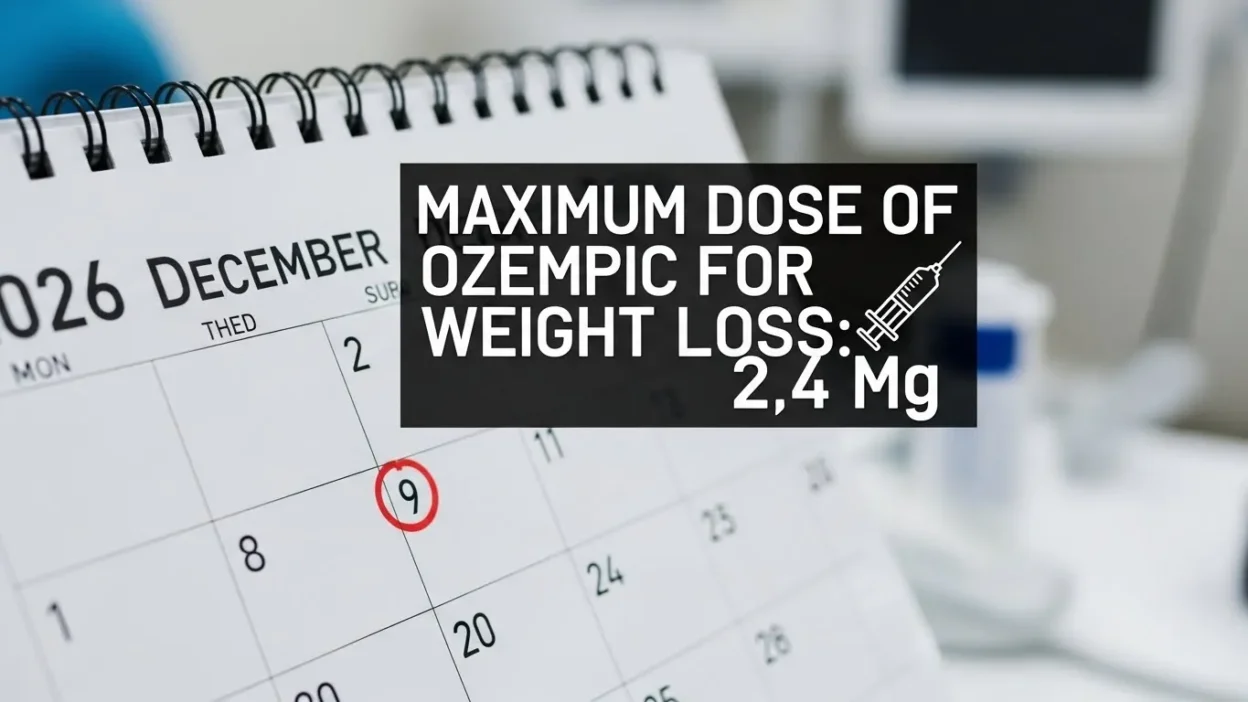
Wegovy, on the other hand, is FDA-approved specifically for obesity management. Its dosing schedule is designed to allow higher doses safely, culminating in a 2.4 mg per week maximum dose, which is more than double the typical Ozempic maximum. Because of this, Wegovy is often more effective for patients needing substantial weight loss, though it can also have stronger gastrointestinal side effects.
In practice, some patients start with Ozempic for initial weight loss and then transition to Wegovy if a higher dose is needed for continued progress. Both medications require gradual titration, medical supervision, and lifestyle modifications to maximize results safely.
Understanding the differences between these two semaglutide medications helps patients set realistic expectations and ensures that weight loss is achieved safely, whether using Ozempic or Wegovy. The choice of medication and dose should always be guided by a healthcare provider.
Lifestyle Changes That Improve Results at Any Dose
While Ozempic can significantly aid weight loss, combining the medication with healthy lifestyle changes is key to achieving the best results and maintaining them long-term. Even at the maximum dose, relying solely on medication without proper nutrition and activity may limit outcomes and increase the risk of weight regain.
Dietary adjustments are one of the most effective ways to complement Ozempic. Focus on a balanced, high-protein diet with plenty of vegetables, whole grains, and healthy fats. Protein helps maintain muscle mass while supporting satiety, and fiber-rich foods help reduce hunger between meals. Reducing processed foods, sugary snacks, and excess refined carbs can further enhance weight loss results.
Hydration is also essential, especially because gastrointestinal side effects such as nausea or diarrhea are common at higher doses. Drinking enough water prevents dehydration and helps support metabolic processes, digestion, and overall well-being.
In addition, regular physical activity improves cardiovascular health, preserves lean muscle, and supports calorie expenditure. Even moderate activities such as walking, swimming, or resistance training can enhance the weight loss benefits of Ozempic. Consistency is more important than intensity.
Lastly, sleep and stress management play a crucial role. Lack of sleep and high stress can increase hunger hormones, making it harder to stick to a reduced-calorie diet. Incorporating mindfulness, meditation, or relaxation techniques can indirectly support weight loss efforts.
By pairing Ozempic with these lifestyle strategies, patients maximize the medication’s effectiveness, reduce potential side effects, and create a sustainable foundation for long-term weight management.
(FAQs)
1. What is the maximum dose of Ozempic for weight loss?
The maximum commonly prescribed dose for weight loss is 1 mg per week. Doses higher than this are not recommended without medical supervision due to increased risk of side effects.
2. Can I take more than 1 mg of Ozempic for faster weight loss?
No. Increasing the dose beyond 1 mg without guidance is unsafe and can cause severe gastrointestinal issues, dehydration, or rare complications like pancreatitis. Gradual titration is essential.
3. How long does it take to reach the maximum dose?
Reaching the maximum dose usually takes 8 to 12 weeks. Patients typically start at 0.25 mg per week, increase to 0.5 mg, and then progress to 1 mg under medical supervision.
4. What results can I expect at the maximum dose?
Patients often lose 5–10% of their body weight over 3–6 months when combined with proper diet and exercise. Results vary depending on metabolism, lifestyle, and adherence.
5. What are the main side effects at higher doses?
Common side effects include nausea, vomiting, diarrhea, constipation, and abdominal discomfort. Rare but serious risks include pancreatitis or gallbladder issues. Monitoring by a healthcare provider is essential.
6. Who should not take the maximum dose?
Individuals with a history of thyroid cancer, pancreatitis, severe gastrointestinal disorders, or certain kidney issues may not be eligible. Pregnant or breastfeeding women should avoid Ozempic.
7. Can lifestyle changes improve results?
Yes. Combining Ozempic with a balanced diet, regular exercise, hydration, sleep, and stress management significantly improves weight loss outcomes and helps maintain results.
Conclusion
Ozempic has emerged as a powerful tool for weight loss, offering significant appetite suppression and metabolic benefits.
However, understanding the maximum dose and proper usage is crucial for both safety and effectiveness.
The standard maximum dose for weight loss is 1 mg per week, and reaching this dose requires gradual titration under medical supervision. Rushing the process or self-adjusting doses can lead to uncomfortable side effects and potentially serious complications.
While the medication can be highly effective, it is most successful when combined with lifestyle changes.
A balanced diet rich in protein and fiber, regular physical activity, proper hydration, and good sleep habits all work synergistically with Ozempic to maximize weight loss results.
Additionally, being aware of side effects, knowing when the dose may be too high, and maintaining open communication with a healthcare provider ensures safe and sustainable progress.
It’s also important to understand the difference between Ozempic and similar medications like Wegovy, which allows higher doses specifically approved for obesity management.
Individual response to the maximum dose varies, and results are influenced by factors such as metabolism, adherence, and overall health.
Ultimately, Ozempic can be a highly effective part of a comprehensive weight management plan, but it should never replace medical guidance, proper nutrition, or lifestyle modifications.
Safe, steady progress, careful monitoring, and informed decisions are the keys to achieving lasting, meaningful weight loss.

I’m Mark Twain an American author best known for classics like The Adventures of Tom Sawyer and Huckleberry Finn. My timeless storytelling continues to inspire readers worldwide—discover more literary inspirations on CrushLinez.com.