
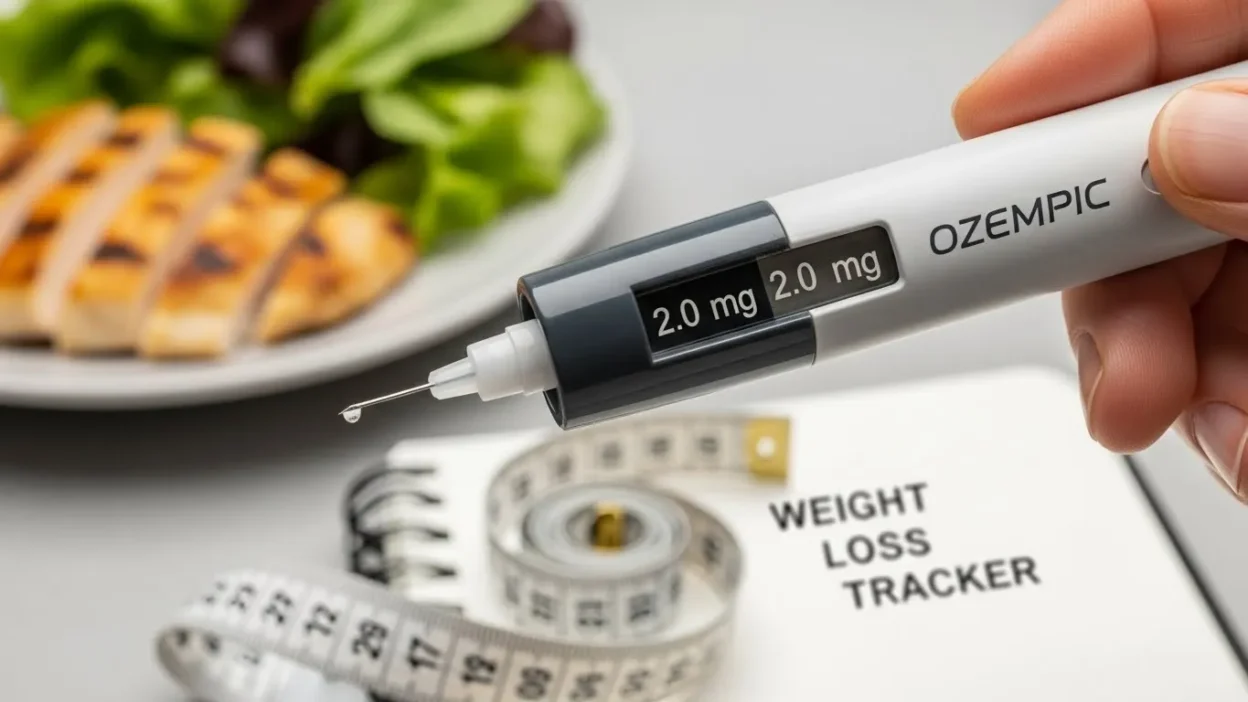
Ozempic, also known by its generic name semaglutide, has gained significant attention in recent years for its effectiveness in supporting weight loss.
Originally developed to help manage type 2 diabetes, Ozempic works by regulating blood sugar levels while also reducing appetite and promoting a feeling of fullness.
Because of these effects, many people are now exploring Ozempic for weight loss, but understanding the correct Ozempic dosage is essential for safety and results.
Dosage for weight management can differ from doses prescribed for diabetes, and adjusting too quickly or using the medication without medical guidance can increase the risk of side effects.
In this article, we will cover everything you need to know about Ozempic dosage for weight loss, including starting doses, gradual titration, expected results, potential side effects, and tips to maximize effectiveness.
By the end, you’ll have a clear, safe plan for using Ozempic to reach your weight loss goals.
What is Ozempic?
Ozempic is a prescription medication whose active ingredient is semaglutide, part of a class of drugs called GLP-1 receptor agonists. Originally approved by the FDA to manage type 2 diabetes, Ozempic helps regulate blood sugar by stimulating insulin release and reducing glucagon levels after meals. Beyond diabetes management, its ability to suppress appetite, slow gastric emptying, and increase satiety has made it a popular choice for weight loss.
The medication comes in a pre-filled injection pen with weekly doses, typically starting at 0.25 mg and gradually increasing depending on tolerance and doctor recommendations. While Ozempic is primarily prescribed for diabetes, the FDA has also approved a higher-dose semaglutide formulation called Wegovy specifically for weight management. Many patients, however, use Ozempic off-label for weight loss under medical supervision.
Clinical studies have shown that patients using Ozempic can lose significant weight when combined with a healthy diet and exercise. The average weight loss varies depending on dosage, duration, and lifestyle factors, but some participants in trials lost up to 12–15% of their body weight over 68 weeks.
It’s important to note that Ozempic is not a magic solution—successful weight loss requires consistency, proper dosing, and lifestyle changes. Understanding how Ozempic works helps users set realistic expectations and safely incorporate it into their weight management plan.
How Ozempic Supports Weight Loss
Ozempic promotes weight loss primarily through its effects on appetite and digestion. As a GLP-1 receptor agonist, semaglutide mimics a natural hormone in the body that regulates blood sugar and signals fullness to the brain. By activating these receptors, Ozempic slows down gastric emptying, meaning food stays in the stomach longer, which naturally reduces hunger and decreases overall calorie intake.
Clinical studies have demonstrated that patients taking Ozempic experience a significant reduction in appetite, leading to fewer cravings and smaller portion sizes. For many individuals, this makes it easier to adhere to a calorie-controlled diet without feeling deprived. Additionally, Ozempic helps regulate blood sugar levels, which can prevent energy crashes and reduce sugar cravings—factors that often contribute to overeating.
Weight loss results with Ozempic are typically gradual but consistent. Research shows that patients can lose anywhere from 5% to over 15% of their body weight within 6 to 12 months when combining the medication with a healthy lifestyle. Factors such as diet quality, physical activity, baseline weight, and dose adjustments influence the amount of weight lost.
It’s important to emphasize that Ozempic is most effective when used alongside lifestyle changes. Exercise, balanced meals, and mindful eating amplify the drug’s benefits. While Ozempic can be a powerful tool for weight loss, sustainable results require patience, consistency, and medical guidance to ensure safe and effective dosing.
Recommended Ozempic Dosage for Weight Loss
Understanding the correct Ozempic dosage for weight loss is crucial for both safety and effectiveness. Unlike diabetes management, weight loss treatment often requires a carefully titrated approach to minimize side effects and maximize results. Physicians typically recommend starting at a low dose of 0.25 mg once weekly. This initial dose is primarily meant to allow your body to adjust to the medication and reduce the likelihood of gastrointestinal side effects such as nausea or vomiting.
After four weeks on the starting dose, the dosage is usually increased to 0.5 mg weekly. Depending on tolerance and weight loss goals, some patients may continue to 1 mg or 2 mg per week, following guidance from their healthcare provider. Clinical trials have shown that higher doses often correlate with greater weight loss, but they may also increase the risk of side effects.
It is important to never adjust your dosage on your own. Changing the dose too quickly or skipping steps in the titration process can lead to complications such as severe nausea, low blood sugar, or other digestive issues. The injection should be administered subcutaneously (under the skin), typically in the abdomen, thigh, or upper arm, and at the same time each week for consistency.
For non-diabetic individuals using Ozempic for weight loss, medical supervision is essential, as dosage and monitoring may differ from diabetic patients. By following a structured dosing plan, combining it with a healthy diet and exercise, and regularly consulting your healthcare provider, Ozempic can be an effective and safe tool for achieving weight loss goals.
Adjusting Dosage Safely
Adjusting Ozempic dosage for weight loss should always be done carefully and under the guidance of a healthcare provider. Since Ozempic affects appetite and digestion, increasing the dose too quickly can lead to uncomfortable side effects, including nausea, vomiting, diarrhea, and stomach cramps. Gradual titration allows the body to adapt and reduces the likelihood of these issues.
Typically, patients start with 0.25 mg weekly for the first month, followed by 0.5 mg weekly, and may eventually reach 1 mg or 2 mg per week depending on their tolerance and weight loss goals. Some individuals may experience mild side effects even at lower doses. In these cases, physicians might recommend staying at the current dose a little longer before moving up.
It’s also important to consider individual factors such as age, weight, underlying health conditions, and whether the patient has diabetes. Non-diabetic users may need closer monitoring, as Ozempic’s effects on blood sugar are less predictable in this group.
Monitoring for signs of intolerance is key. If severe nausea, persistent vomiting, or abdominal pain occurs, the dose may need to be reduced temporarily, or the injection schedule adjusted. Patients should never self-adjust their dose without medical advice.
By carefully following a titration schedule, monitoring for side effects, and maintaining regular communication with a healthcare provider, Ozempic can be used safely and effectively. Proper dose adjustment not only enhances weight loss results but also ensures a more comfortable and sustainable journey toward achieving weight management goals.
Expected Results by Dosage
Weight loss results with Ozempic vary depending on the dose, individual metabolism, lifestyle habits, and consistency in taking the medication. Clinical studies show that even the starting dose of 0.25 mg weekly, while primarily used for tolerance building, can lead to modest reductions in appetite and small initial weight loss over the first month. However, the most significant results are typically seen at higher doses.
The 0.5 mg weekly dose often results in gradual weight reduction, with patients reporting around 4–6% body weight loss over several months when combined with a healthy diet and regular exercise. Moving to 1 mg or 2 mg weekly, which are considered therapeutic doses for weight management, studies indicate average weight loss of 10–15% of baseline body weight over 6–12 months. Some individuals may experience even greater reductions, depending on adherence to lifestyle changes and biological factors.
It’s important to set realistic expectations. Ozempic does not provide immediate weight loss; results are gradual, and consistency is key. Combining medication with balanced nutrition, portion control, and regular physical activity enhances the effectiveness of each dose.
Patients should also be aware that weight loss may plateau after several months. In such cases, maintaining the current dose, continuing healthy habits, and consulting a healthcare provider for guidance are recommended. By understanding how different Ozempic dosages impact results, users can track progress effectively and make informed decisions alongside their medical team.
Side Effects and How to Manage Them
While Ozempic is generally well-tolerated, it can cause side effects, especially during the initial weeks or when the dosage is increased. The most common issues are gastrointestinal, including nausea, vomiting, diarrhea, constipation, and abdominal discomfort. These effects often occur when the body is adjusting to the medication and usually subside as tolerance develops. Starting with a low dose (0.25 mg weekly) and gradually increasing it helps minimize these symptoms.
Some users may experience mild headaches, fatigue, or dizziness, particularly when beginning treatment. Drinking plenty of water, eating smaller meals, and avoiding high-fat or overly rich foods can help reduce gastrointestinal discomfort. Taking the injection at the same time each week may also improve tolerability.
Though rare, serious side effects can occur, such as pancreatitis, gallbladder problems, kidney issues, or thyroid tumors. Severe abdominal pain, persistent vomiting, or sudden changes in digestion should prompt immediate medical attention. Additionally, while Ozempic can lower blood sugar, this is usually a concern for people with diabetes; non-diabetic users may experience mild hypoglycemia if combined with other glucose-lowering interventions.
Regular monitoring and consultation with a healthcare provider are key to managing side effects safely. Adjusting the dose, spacing out dose increases, or temporarily pausing treatment can often resolve discomfort. By understanding potential side effects and how to handle them, users can continue their weight loss journey safely while maximizing the benefits of Ozempic.
Lifestyle Tips to Maximize Weight Loss
While Ozempic is a powerful tool for weight loss, combining it with healthy lifestyle habits significantly improves results and sustainability. One of the most important factors is diet. Focus on nutrient-dense, high-fiber foods like vegetables, fruits, lean proteins, and whole grains, which naturally increase satiety and complement Ozempic’s appetite-suppressing effects. Avoiding processed foods, sugary drinks, and excessive high-fat meals can help prevent gastrointestinal discomfort and support steady weight loss.
Exercise is another key component. Regular physical activity, including both cardio and strength training, not only accelerates calorie burning but also helps maintain lean muscle mass during weight loss. Even moderate exercise, like walking, swimming, or cycling, can enhance Ozempic’s effects and improve overall health.
Tracking progress is also beneficial. Keeping a food and activity journal can highlight patterns, identify triggers for overeating, and reinforce positive habits. Setting realistic weekly or monthly goals helps maintain motivation and prevents frustration if weight loss plateaus.
Other lifestyle tips include staying hydrated, getting adequate sleep, and managing stress, as poor sleep and high stress can negatively affect appetite hormones and weight management. Additionally, maintaining consistent weekly dosing of Ozempic and adhering to your doctor’s recommendations ensures the medication works effectively.
By combining Ozempic with a balanced diet, regular exercise, and healthy daily habits, users can maximize weight loss, improve long-term results, and support overall well-being while safely navigating the weight loss journey.
Ozempic vs. Other Weight Loss Options
When considering weight loss medications, Ozempic is often compared to other GLP-1 receptor agonists like Wegovy and Saxenda, as well as alternative approaches such as lifestyle interventions or other prescription drugs. Understanding the differences can help users make informed decisions in consultation with their healthcare provider.
Wegovy, like Ozempic, contains semaglutide but is specifically FDA-approved for weight management. It is typically prescribed at higher doses than Ozempic for diabetes, which may result in more pronounced weight loss. Clinical studies suggest that patients on Wegovy can achieve up to 15–20% body weight reduction over a year when combined with diet and exercise. Ozempic, while effective for weight loss, is often used off-label in non-diabetic individuals at doses lower than Wegovy.
Saxenda (liraglutide) is another GLP-1 medication approved for weight loss. Unlike Ozempic’s weekly injection, Saxenda requires daily injections, which may be less convenient for some users. Studies indicate that Saxenda produces moderate weight loss, but its effects are generally slightly less pronounced compared to higher-dose semaglutide therapies.
Cost and insurance coverage are also important considerations. Ozempic may be covered for diabetes but not always for weight loss, whereas Wegovy and Saxenda may have different coverage policies.
Ultimately, choosing between Ozempic and other weight loss options depends on medical history, convenience, desired weight loss results, and cost considerations. Combining any of these medications with a healthy diet and regular exercise enhances effectiveness, while careful medical supervision ensures safety and optimal outcomes.
Frequently Asked Questions
When using Ozempic for weight loss, many people have questions about safety, dosage, and expected results. Here are answers to some of the most common concerns:
1. Can non-diabetics use Ozempic for weight loss?
Yes, Ozempic can be prescribed off-label for non-diabetic individuals under medical supervision. Dosage and monitoring may differ from diabetic patients, so consultation with a healthcare provider is essential.
2. How long does it take to see results?
Weight loss with Ozempic is gradual. Many users notice appetite reduction within the first few weeks, with visible weight loss typically occurring after 8–12 weeks. Maximum results are often achieved after 6–12 months, depending on dose and lifestyle.
3. Can the dosage be increased faster?
No. Rapid dose increases can cause severe gastrointestinal side effects. Following the recommended titration schedule ensures safety and better long-term tolerance.
4. What if I miss a weekly dose?
If a dose is missed, take it as soon as possible, unless it is less than three days until your next scheduled dose. Always follow your healthcare provider’s instructions for missed injections.
5. Will weight return after stopping Ozempic?
Weight regain can occur if healthy lifestyle habits are not maintained. Ozempic supports appetite control, but long-term success requires consistent diet, exercise, and behavior changes.
6. How does Ozempic compare to Wegovy or Saxenda?
Wegovy contains higher-dose semaglutide for weight loss and may produce slightly greater results, while Saxenda requires daily injections. All are most effective when combined with lifestyle changes.
Understanding these FAQs helps users make informed decisions and safely integrate Ozempic into their weight loss plan.
Conclusion
Ozempic has emerged as a powerful tool for weight loss, offering a combination of appetite suppression, slower gastric emptying, and improved satiety.
While originally developed to manage type 2 diabetes, its effectiveness in reducing body weight has made it a popular choice for individuals seeking safe and medically supervised weight management solutions.
Understanding the correct Ozempic dosage is critical to maximize results while minimizing side effects.
Starting with a low dose and gradually titrating under the guidance of a healthcare provider ensures both safety and tolerance.
While medication is important, sustainable weight loss requires a holistic approach. Combining Ozempic with a balanced diet, regular physical activity, adequate sleep, and stress management greatly enhances results.
Tracking progress, setting realistic goals, and maintaining consistent dosing are equally important to ensure long-term success.
Patients should also be aware of potential side effects, from mild gastrointestinal discomfort to rare serious complications, and seek medical attention if needed.
Regular consultation with a healthcare provider ensures safe dose adjustments, effective weight management, and guidance on integrating Ozempic into a healthy lifestyle.
Ultimately, Ozempic can be a game-changer for weight loss when used responsibly. By following recommended dosing, adopting healthy habits, and staying patient through gradual progress, individuals can achieve meaningful and lasting results.
Remember, there is no “quick fix,” but with commitment and medical guidance, Ozempic offers a structured, science-backed path toward reaching weight loss goals safely and effectively.

Hi! I’m Ella Johnson, the voice behind Crushlinez. I love sharing fun, flirty, and creative pick up lines to help you charm, laugh, and connect. On Crushlinez, I bring you the best lines for every mood, whether it’s cute, funny, or romantic. My goal is to make flirting fun, easy, and full of smiles—one line at a time!https://crushlinez.com/https://crushlinez.com/