
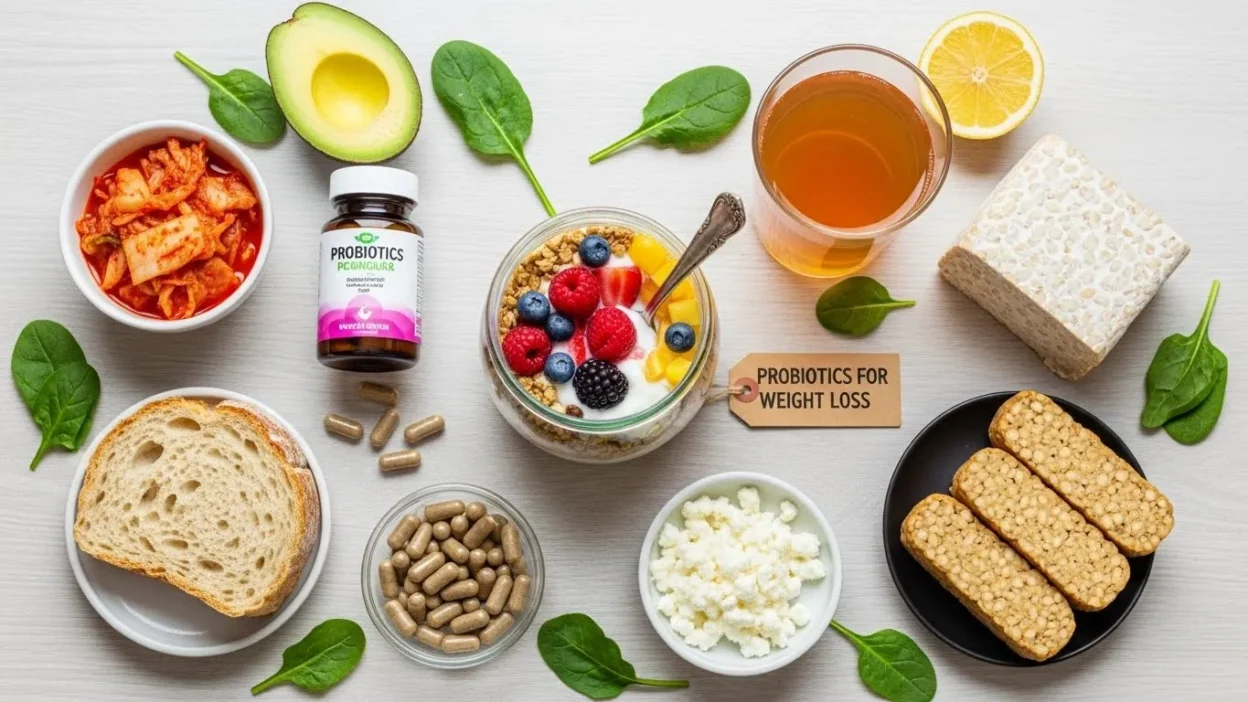
Probiotics have become a major topic in the weight loss world, often promoted as a simple way to burn fat and improve metabolism. But can beneficial gut bacteria really influence body weight, or is it just another wellness trend?
Research increasingly shows that the gut microbiome the trillions of microorganisms living in your digestive system plays an important role in how your body processes food, stores fat, and regulates appetite.
This has led scientists to explore whether specific probiotic strains may support weight loss efforts.
While probiotics are not magic pills and won’t replace a healthy diet or exercise, they may help create a more favorable internal environment for weight management.
By improving gut balance, reducing inflammation, and influencing hunger hormones, certain probiotics could support gradual, sustainable weight loss.
In this article, we’ll examine the science behind probiotics for weight loss, identify the most promising strains, and explain how to use them effectively and safely.
What Are Probiotics?
Probiotics are live microorganisms primarily beneficial bacteria that provide health benefits when consumed in adequate amounts.
According to the World Health Organization, probiotics help maintain or restore a healthy balance of gut bacteria, which is essential for proper digestion, immune function, and metabolic health.
While bacteria are often associated with illness, many types are vital for keeping the body functioning optimally.
Probiotics are most commonly found in fermented foods such as yogurt, kefir, sauerkraut, kimchi, miso, and tempeh. They are also widely available as dietary supplements in capsule, powder, or liquid form. Different probiotic products contain different species and strains, and these distinctions matter because each strain can have unique effects on the body.
It’s important to differentiate probiotics from related terms. Prebiotics are types of fiber that feed beneficial gut bacteria, helping them grow and thrive. Postbiotics are bioactive compounds produced when probiotics break down nutrients in the gut. All three work together to support a healthy gut environment.
Probiotics do not permanently colonize the gut in most cases; instead, they exert their effects while passing through the digestive system. During this time, they interact with existing gut microbes, influence metabolic processes, and help maintain microbial balance. Because gut health is closely tied to inflammation, insulin sensitivity, and appetite regulation, probiotics have gained attention for their potential role in weight management. Understanding what probiotics are—and how they function—is the foundation for evaluating their role in weight loss.
Gut Microbiome and Body Weight: The Scientific Connection
The gut microbiome refers to the vast community of trillions of microorganisms—bacteria, viruses, and fungi—that live in the digestive tract. These microbes play a critical role in digestion, nutrient absorption, immune regulation, and metabolic health. In recent years, scientists have discovered that the composition and diversity of gut bacteria can significantly influence body weight and fat storage.
One of the key findings in microbiome research is the relationship between certain bacterial populations and energy balance. Studies have shown that people with obesity often have a different gut bacteria profile compared to those at a healthy weight. In particular, an imbalance between two major bacterial groups—Firmicutes and Bacteroidetes—has been associated with increased calorie extraction from food, meaning the body may harvest more energy from the same amount of calories.
Gut bacteria also affect weight through hormonal and metabolic pathways. They help regulate hunger and fullness hormones such as ghrelin, leptin, and GLP-1, which influence appetite and food intake. Additionally, gut microbes produce short-chain fatty acids (SCFAs) during fiber fermentation, which can impact fat storage, insulin sensitivity, and inflammation.
When the gut microbiome becomes imbalanced—a condition known as dysbiosis—it may contribute to chronic low-grade inflammation and metabolic dysfunction. This inflammatory state has been linked to insulin resistance and weight gain. By supporting a healthier and more diverse gut microbiome, probiotics may help counteract these processes, creating conditions that are more favorable for weight management.
Do Probiotics Help With Weight Loss? What the Science Says
Scientific interest in probiotics for weight loss has grown rapidly, leading to numerous clinical trials and large-scale reviews. Overall, the evidence suggests that probiotics may support modest weight and fat loss, particularly when combined with healthy diet and lifestyle changes. However, the results are not universal and depend heavily on the specific strains used, dosage, and duration of use.
Several randomized controlled trials have shown that participants taking certain probiotic strains experienced small but statistically significant reductions in body weight, body mass index (BMI), and fat mass compared to placebo groups. Some studies also report reductions in waist circumference and visceral fat, which is particularly important for metabolic health. These effects are typically observed after consistent use for eight to twelve weeks or longer.
Meta-analyses that combine data from multiple studies generally support these findings, concluding that probiotics can contribute to weight-related improvements, though the magnitude of change is usually modest. Importantly, probiotics appear to be more effective for fat loss and metabolic markers than for dramatic weight reduction on the scale.
It’s also critical to understand what probiotics cannot do. They do not directly burn fat, override calorie intake, or replace exercise. Instead, they may enhance the body’s response to other weight loss efforts by improving insulin sensitivity, reducing inflammation, and influencing appetite regulation. This is why probiotics are best viewed as a supportive tool rather than a primary weight loss solution. When used consistently and appropriately, they may help create a more favorable environment for sustainable weight management.
Best Probiotic Strains for Weight Loss
Not all probiotics affect body weight in the same way. Research shows that weight-related benefits are strain-specific, meaning the exact type of bacteria matters—not just the species or CFU count. Some strains have been associated with fat loss and metabolic improvements, while others may have little effect on weight.
One of the most studied strains is Lactobacillus gasseri. Clinical studies have linked this strain to reductions in abdominal fat, waist circumference, and body mass index. It appears to influence fat absorption and storage, making it particularly relevant for individuals concerned about belly fat.
Lactobacillus rhamnosus has also shown promise, especially in women. Research suggests it may support weight loss by improving appetite regulation and enhancing satiety during calorie-restricted diets. Participants using this strain have demonstrated greater weight loss and better weight maintenance compared to placebo groups.
Another notable strain is Lactobacillus plantarum, which is known for its anti-inflammatory properties. Chronic inflammation is closely linked to obesity and metabolic disorders, and this strain may support weight management by improving insulin sensitivity and reducing metabolic stress.
Bifidobacterium lactis has been associated with reductions in body fat mass and improvements in glucose metabolism. By supporting blood sugar control, this strain may help prevent fat storage and energy crashes that can hinder weight loss efforts.
Multi-strain probiotics often combine these beneficial bacteria, potentially offering synergistic effects. However, effectiveness still depends on proper formulation, dosage, and consistency of use.
How Probiotics May Support Weight Loss
Probiotics may influence weight loss through several interconnected biological mechanisms that affect metabolism, appetite, and fat storage. While these effects are subtle, they can contribute to long-term weight management when combined with healthy lifestyle habits.
One key mechanism involves appetite regulation. Certain probiotic strains help modulate hormones such as ghrelin, which stimulates hunger, and GLP-1 and peptide YY (PYY), which promote feelings of fullness. By improving hormonal balance, probiotics may help reduce overeating and support better portion control.
Probiotics also play a role in fat storage and energy metabolism. Gut bacteria influence how dietary fats are absorbed and stored by regulating enzymes involved in fat metabolism, such as lipoprotein lipase. Additionally, probiotics help produce short-chain fatty acids (SCFAs) when fermenting dietary fiber. SCFAs are linked to improved insulin sensitivity and increased fat oxidation, both of which are important for weight control.
Another important factor is inflammation reduction. Excess body fat is associated with chronic low-grade inflammation, which can disrupt metabolic signaling and promote insulin resistance. Certain probiotic strains help strengthen the gut barrier and reduce the passage of inflammatory compounds into the bloodstream, thereby supporting metabolic health.
Finally, probiotics may improve blood sugar regulation. By enhancing insulin sensitivity and stabilizing glucose levels, they can reduce energy crashes and cravings that often derail weight loss efforts. Together, these mechanisms explain why probiotics may support weight loss indirectly—by improving the internal conditions that make sustainable fat loss more achievable.
Probiotic Foods vs Supplements for Weight Loss
Probiotics can be obtained through both fermented foods and dietary supplements, and each option offers unique benefits for those pursuing weight loss. Understanding the differences can help you choose the most effective and sustainable approach.
Probiotic-rich foods include yogurt with live cultures, kefir, sauerkraut, kimchi, miso, and tempeh. These foods provide a natural source of beneficial bacteria along with additional nutrients such as protein, vitamins, and bioactive compounds. Fermented foods may also improve overall dietary quality and support digestion. However, the specific strains and amounts of probiotics in foods can vary widely, making it difficult to achieve consistent therapeutic doses linked to weight-related benefits in research.
Probiotic supplements, on the other hand, offer greater precision. High-quality supplements list specific strains, CFU counts, and expiration-based potency, allowing users to target strains that have been studied for weight management. Supplements may be especially useful for individuals who do not regularly consume fermented foods or who want to focus on strain-specific benefits.
When it comes to weight loss, neither option is inherently superior. Foods may be sufficient for general gut health and prevention, while supplements can be helpful when a targeted approach is needed. In many cases, combining both—eating probiotic-rich foods while supplementing strategically—can provide the best results.
Regardless of the source, consistency is key. Probiotics must be consumed regularly to maintain their effects, and they work best alongside a balanced diet rich in fiber, which helps beneficial bacteria thrive and function effectively.
How to Choose the Best Probiotic for Weight Loss
Selecting the right probiotic for weight loss can be confusing due to the wide variety of products on the market. Not all probiotics are created equal, and effectiveness depends on the strains, dosage, and quality of the product.
1. Look for Specific Strains
Scientific research shows that weight-related benefits are strain-specific. For fat loss, strains such as Lactobacillus gasseri, Lactobacillus rhamnosus, Lactobacillus plantarum, and Bifidobacterium lactis have the strongest evidence. Avoid products that list only species without specifying strains, as the effects may differ.
2. Check CFU Count
CFU (colony-forming units) indicates the number of live bacteria in a dose. Effective probiotic supplements for weight management typically contain billions of CFUs per serving. Look for products that guarantee CFU counts at the time of expiration, not just at manufacturing.
3. Consider Delivery and Survivability
Some probiotics are sensitive to stomach acid and may not reach the intestines intact. Enteric-coated capsules, delayed-release tablets, or shelf-stable strains designed to survive digestion are more likely to be effective.
4. Verify Quality and Third-Party Testing
Choose reputable brands that undergo independent testing for potency and purity. Look for certifications such as NSF, USP, or third-party lab verification.
5. Avoid Hype and Proprietary Blends
Marketing terms like “fat-burning probiotics” or “proprietary blends” without strain details should be approached cautiously. Transparency about strains, CFUs, and clinical evidence is more important than catchy claims.
By following these guidelines, you can select a probiotic that aligns with research-backed strains and maximizes your chances of supporting sustainable weight management.
How Long Do Probiotics Take to Work for Weight Loss
Probiotics are not instant fat burners, and results can vary depending on the strain, dosage, diet, and individual gut microbiome. Understanding the timeline helps set realistic expectations and maintain consistency.
Short-Term Effects (Days to Weeks)
Within the first few days or weeks, probiotics begin influencing gut bacteria balance. Users may notice improved digestion, reduced bloating, and better stool regularity. These early changes reflect a healthier gut environment but do not usually result in visible weight loss.
Medium-Term Effects (4–8 Weeks)
After several weeks of consistent use, certain probiotic strains can start to impact metabolic processes. Research shows that strains like Lactobacillus gasseri and Lactobacillus rhamnosus may reduce abdominal fat, decrease waist circumference, and support mild reductions in body weight during this period. Hormonal regulation of appetite and improved insulin sensitivity also begin to take effect, contributing indirectly to weight management.
Long-Term Effects (8–12+ Weeks)
Sustained use of probiotics over two to three months or longer is typically required to see measurable changes in body composition. Multi-strain formulations combined with a healthy diet and lifestyle have the best evidence for promoting gradual fat loss and improving metabolic markers. Importantly, results are often modest—typically a few pounds of weight reduction or reductions in visceral fat—but they can complement diet, exercise, and lifestyle strategies for sustainable outcomes.
Consistency is key. Skipping doses or using probiotics sporadically reduces effectiveness. Pairing probiotics with prebiotic-rich foods, regular exercise, and a balanced diet enhances their ability to positively influence the gut microbiome and support weight management.
Probiotics, Diet, and Lifestyle: Maximizing Results
Probiotics work best when combined with a diet and lifestyle that support gut health and overall metabolic function. While probiotics can help create favorable conditions for weight management, they are most effective as part of a holistic approach.
1. Diet That Supports Probiotics
Probiotics thrive on fiber-rich foods known as prebiotics, which serve as fuel for beneficial gut bacteria. Foods such as oats, bananas, onions, garlic, asparagus, and legumes help probiotics multiply and maintain a healthy gut balance. Avoiding ultra-processed foods, excessive sugar, and artificial additives can prevent gut dysbiosis, allowing probiotics to function optimally.
2. Exercise and Physical Activity
Regular exercise not only burns calories but also enhances microbial diversity in the gut. Studies show that physically active individuals have higher levels of beneficial bacteria, which can contribute to improved metabolism and better weight management. Combining probiotics with regular exercise may amplify these effects.
3. Stress Management
Chronic stress can disrupt the gut microbiome through the gut-brain axis, increasing inflammation and altering appetite hormones. Practices such as meditation, yoga, deep breathing, or adequate downtime can support gut health and make probiotic supplementation more effective.
4. Sleep and Recovery
Poor sleep negatively affects metabolism, hunger hormones, and gut bacteria. Consistently getting 7–9 hours of quality sleep supports microbial diversity and enhances probiotic effectiveness.
By integrating probiotics with a fiber-rich diet, regular exercise, stress management, and proper sleep, you can create an internal environment that supports sustainable weight management. Probiotics are not a standalone solution but can significantly enhance the results of healthy lifestyle habits.
Safety, Side Effects, and Who Should Avoid Probiotics
Probiotics are generally considered safe for most healthy adults, but they are not entirely free of side effects or risks. Understanding potential issues ensures safe and effective use, especially for those with underlying health conditions.
Common Side Effects
Mild digestive symptoms are the most frequently reported side effects during the first few days of probiotic use. These may include bloating, gas, mild cramping, or temporary changes in bowel movements. Such effects usually subside as the body adjusts to the new bacterial balance.
Who Should Use Caution
Certain populations should exercise caution or consult a healthcare provider before taking probiotics:
- Immunocompromised individuals (e.g., chemotherapy patients, transplant recipients) may be at higher risk of infections caused by probiotic bacteria.
- People with severe gastrointestinal conditions, such as small intestinal bacterial overgrowth (SIBO) or short bowel syndrome, may experience exacerbated symptoms.
- Pregnant or breastfeeding women should check with their healthcare provider to ensure safety for themselves and the baby.
Medication Interactions
Probiotics generally have minimal drug interactions, but individuals taking immunosuppressants or antibiotics should coordinate timing and dosage with their healthcare provider. Antibiotics, for example, can reduce probiotic effectiveness if taken simultaneously.
Long-Term Safety
Research indicates that long-term probiotic use is generally safe for healthy individuals. However, consistency and adherence to recommended doses are important. Choosing high-quality, third-party tested products reduces risks associated with contamination, mislabeled strains, or inaccurate CFU counts.
By understanding these safety considerations and selecting probiotics thoughtfully, most people can use them effectively for weight management while minimizing potential side effects or complications.
Common Myths and Misconceptions About Probiotics for Weight Loss
Probiotics have gained a reputation as a “miracle solution” for weight loss, but several misconceptions persist. Understanding the facts can help set realistic expectations and prevent frustration.
Myth 1: All Probiotics Cause Weight Loss
Not all probiotics influence weight. Only specific strains, such as Lactobacillus gasseri or Lactobacillus rhamnosus, have been studied for fat reduction. Many generic probiotics support gut health but do not directly affect body weight.
Myth 2: Higher CFUs Always Mean Better Results
While a sufficient number of colony-forming units (CFUs) is important, more is not always better. Effectiveness depends on the right strain and delivery method. Extremely high CFU counts may increase digestive discomfort without enhancing weight loss benefits.
Myth 3: Probiotics Work Instantly
Probiotics require consistent use over weeks or months to influence gut balance and metabolism. Visible results in body composition typically take 8–12 weeks or longer, and effects are usually gradual rather than dramatic.
Myth 4: Probiotics Replace Diet and Exercise
Probiotics are a supportive tool, not a replacement for healthy habits. Weight loss still depends on a balanced diet, calorie management, and physical activity. Probiotics enhance the body’s internal environment, making weight management more achievable, but they cannot override poor lifestyle choices.
Myth 5: Probiotics Are Only Needed for Digestive Health
While probiotics are well-known for digestive benefits, their effects extend to metabolism, inflammation reduction, appetite regulation, and blood sugar control—factors that indirectly influence weight management.
By separating fact from fiction, users can incorporate probiotics into a realistic, science-backed weight loss strategy without falling for exaggerated marketing claims.
FAQs About Probiotics for Weight Loss
Many people have questions about how probiotics affect weight, which strains to use, and what results to expect. Here are answers to some of the most common queries.
1. Can probiotics help reduce belly fat?
Certain strains, such as Lactobacillus gasseri, have been associated with reductions in abdominal fat and waist circumference. Effects are modest and gradual, typically appearing after 8–12 weeks of consistent use alongside a healthy diet.
2. Are probiotics better than diet changes for weight loss?
No. Probiotics are a supportive tool, not a substitute for proper nutrition or exercise. They may enhance the body’s response to calorie control, fiber intake, and physical activity but cannot replace these foundational habits.
3. Can probiotics cause weight gain?
Most probiotics do not cause weight gain. Some strains may even support fat reduction. However, weight changes depend on the individual’s diet, activity level, and overall gut microbiome composition. Overeating high-calorie foods while taking probiotics can still lead to weight gain.
4. How long should I take probiotics for weight loss?
Studies suggest consistent use for at least 8–12 weeks to see measurable effects on body composition. Many people continue supplementation long-term to maintain gut balance, especially if dietary intake of fermented foods is limited.
5. Should I focus on probiotic foods, supplements, or both?
A combination often works best. Fermented foods provide a natural source of probiotics and additional nutrients, while supplements allow you to target research-backed strains with consistent dosages.
Answering these FAQs helps clarify expectations and provides practical guidance for incorporating probiotics safely and effectively into a weight management plan.
Conclusion
Probiotics have gained popularity as a potential tool for weight management, and research suggests they may offer modest but meaningful benefits. Certain strains, such as Lactobacillus gasseri, Lactobacillus rhamnosus, Lactobacillus plantarum, and Bifidobacterium lactis, have been linked to reductions in abdominal fat, improved metabolic markers, and better appetite regulation.
However, it’s important to recognize that probiotics are not a magic solution or a replacement for healthy lifestyle habits.
Their primary role in weight loss appears to be supportive rather than transformative. Probiotics help optimize the gut microbiome, reduce inflammation, enhance insulin sensitivity, and influence hunger hormones creating internal conditions that make it easier to lose weight and maintain results.
When combined with a balanced diet, regular exercise, adequate sleep, and stress management, probiotics can complement your weight loss strategy and contribute to sustainable outcomes.
Choosing the right probiotic matters. Look for products with clinically studied strains, sufficient CFU counts, third-party testing, and delivery methods that ensure bacteria survive digestion.
Including probiotic-rich foods like yogurt, kefir, kimchi, and sauerkraut alongside supplements can further support gut diversity.
In conclusion, probiotics are worth considering as part of a comprehensive approach to weight management, especially for individuals looking to improve gut health while supporting gradual fat loss.
They are a safe, evidence-backed option for most adults, offering long-term benefits when paired with healthy lifestyle choices.

Hi, I’m Maya Angelou, and I’m thrilled to welcome you to Crushlinez! I created this space because I love helping people express themselves with clever, funny, and flirty lines.