In recent years, vibration plates have gained popularity as a modern fitness tool promising weight loss, muscle toning, and improved overall health.
Also known as whole-body vibration machines, these platforms generate rapid vibrations that stimulate muscle contractions, potentially increasing calorie burn and enhancing metabolism.
Many fitness enthusiasts and home users are curious: can standing on a vibration plate really help shed pounds? While vibration plates shouldn’t replace traditional exercise, research and user experiences suggest they can complement workouts effectively, supporting fat loss and improving muscle strength.
Beyond weight loss, these machines may enhance circulation, flexibility, and balance, making them an attractive option for people of all fitness levels.
In this guide, we’ll explore how vibration plates work, their potential benefits for weight loss, recommended exercises, safety tips, and real-life results, helping you determine if this high-tech approach fits into your fitness routine.
What is a Vibration Plate?
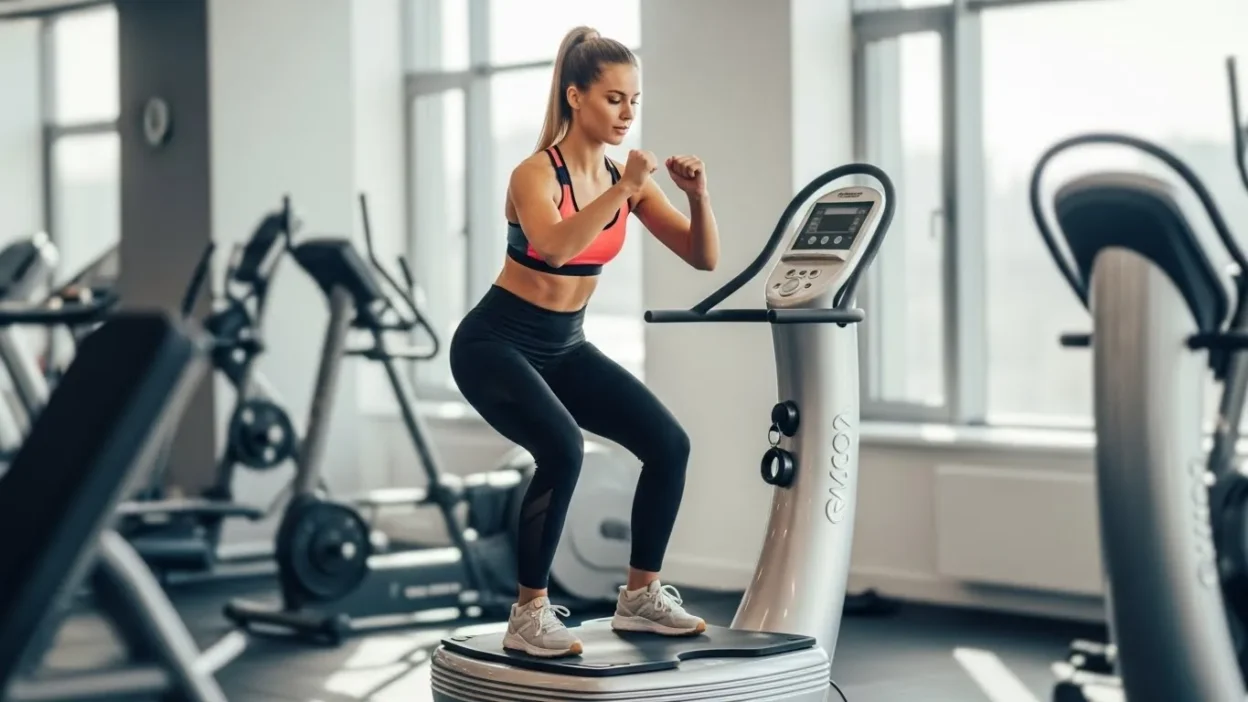
A vibration plate, also called a whole-body vibration machine, is a fitness device designed to stimulate muscles through rapid vibrations. When you stand, sit, or perform exercises on the platform, it generates mechanical oscillations that cause your muscles to contract and relax multiple times per second. These involuntary muscle contractions engage more muscle fibers than typical exercises performed on stable ground, which can enhance muscle activation, circulation, and metabolism.
Vibration plates come in different types. Vertical (linear) plates move up and down, providing consistent vibrations that activate muscles in a uniform way. Oscillating or pivotal plates rock side to side, mimicking a natural walking motion and targeting stabilizer muscles. Hybrid or multi-directional plates combine these movements for a more comprehensive workout.
Originally developed for rehabilitation and physical therapy, vibration plates are now widely used in gyms and homes for fitness, weight management, and muscle toning. Many users appreciate their convenience, as even short sessions can engage multiple muscle groups. While they are not a replacement for traditional exercise, when used correctly, vibration plates can complement your workouts by enhancing calorie burn, improving muscle tone, and supporting balance and flexibility.
Understanding how these machines work is the first step in determining whether they can help you achieve your weight loss and fitness goals.
How Vibration Plates Aid Weight Loss
Vibration plates have become popular for weight loss because they offer a unique way to engage muscles and increase energy expenditure. When standing or exercising on a vibration plate, the rapid oscillations force muscles to contract involuntarily, often hundreds of times per minute. This increased muscle activation can enhance calorie burn compared to simply standing or performing the same exercise on the floor. While the exact number of calories burned depends on factors like body weight, intensity, and duration, using a vibration plate can complement traditional workouts and support fat loss over time.
Beyond calorie burning, vibration plates may improve metabolism. Regular use can stimulate circulation and muscle activity, which in turn promotes better nutrient delivery and fat utilization. Some studies suggest that combining vibration plate workouts with resistance exercises may further enhance fat loss and lean muscle gains, especially in areas like the thighs, glutes, and core.
It’s important to note, however, that vibration plates are not a magic solution for weight loss. Standalone use without a balanced diet and regular exercise is unlikely to produce significant results. Instead, they work best as a supplementary tool, enhancing your existing fitness routine. For optimal results, pairing vibration plate exercises with strength training, cardio, and proper nutrition is key to achieving sustainable weight loss.
Best Exercises on a Vibration Plate
Vibration plates are versatile tools that allow you to perform a variety of exercises targeting multiple muscle groups. For weight loss and toning, combining standing, balancing, and strength movements is most effective. Lower-body exercises like squats, lunges, and calf raises engage major muscles in your legs and glutes. Performing these movements on a vibrating platform increases muscle activation, helping to build strength and burn more calories than on the floor.
Upper-body exercises are also possible. Push-ups, tricep dips, and shoulder presses on the vibration plate help strengthen your arms, shoulders, and chest. Even simple modifications, such as placing hands or feet on the platform during exercises, can intensify muscle engagement.
Core exercises like planks, side planks, and crunches benefit significantly from vibration. The oscillations challenge stabilizer muscles, enhancing core strength and improving balance. Additionally, balance and flexibility exercises, including yoga poses or stretches on the vibration plate, can improve coordination and range of motion.
Tips for effectiveness:
- Maintain proper posture and alignment to avoid injury.
- Start with shorter sessions (5–10 minutes) and gradually increase duration.
- Use moderate vibration settings initially, then progress as your strength improves.
- Combine exercises in a circuit for full-body engagement and increased calorie burn.
Incorporating a variety of exercises on a vibration plate ensures you target multiple muscle groups while maximizing the potential for weight loss, strength, and overall fitness improvement.
Benefits Beyond Weight Loss
While vibration plates are often associated with weight loss, their benefits extend far beyond burning calories. One of the most notable advantages is muscle toning and strength improvement. The rapid vibrations force muscles to contract involuntarily, engaging both large and stabilizer muscles. Over time, this can lead to enhanced muscle definition, particularly in the legs, glutes, and core.
Bone density and joint health may also improve with regular use. Some studies indicate that vibration training can stimulate bone growth, making it a useful tool for individuals at risk of osteoporosis or those seeking low-impact strength training. Because the exercises are gentle on joints, vibration plates provide an alternative for those who may struggle with high-impact workouts.
Another key benefit is enhanced circulation. The vibrations promote blood flow throughout the body, which can improve oxygen delivery to muscles and assist in recovery after workouts. Increased circulation may also support lymphatic drainage, helping reduce water retention and the appearance of cellulite.
Vibration plates can also improve balance and flexibility, making them valuable for overall functional fitness. The unstable surface requires constant micro-adjustments, strengthening stabilizing muscles and enhancing coordination.
Finally, some users report stress reduction and relaxation when performing stretches or light exercises on the vibration plate. The gentle oscillations can provide a massaging effect, easing muscle tension and promoting a sense of well-being.
In short, vibration plates offer a comprehensive set of fitness benefits, making them useful not only for weight loss but also for improving strength, flexibility, balance, and overall health.
Safety and Precautions
While vibration plates offer many benefits, it’s important to use them safely to avoid injury or strain. Improper use or overuse can lead to joint stress, muscle soreness, or balance-related accidents. Following proper guidelines ensures that you gain the benefits while minimizing risks.
Who should be cautious or avoid use: Pregnant women, people with heart conditions, those with recent fractures, or individuals with severe joint problems should consult a doctor before using vibration plates. Additionally, anyone with implants, pacemakers, or neurological disorders should seek medical advice prior to starting vibration training.
Proper use tips:
- Always stand with knees slightly bent to absorb vibrations and protect joints.
- Use supportive shoes with good grip to prevent slips.
- Start with short sessions of 5–10 minutes at low vibration intensity, gradually increasing duration and frequency as your body adapts.
- Avoid locking your joints while on the platform, as this increases the risk of injury.
General safety practices:
- Warm up before using the plate to prepare muscles.
- Keep the platform on a flat, stable surface.
- Stay hydrated, as vibration training can increase circulation and metabolic activity.
- Listen to your body—discontinue if you feel dizziness, sharp pain, or discomfort.
By following these precautions, vibration plate workouts can be safe and effective for most users. Proper technique and gradual progression are key to maximizing benefits while preventing injuries, making vibration plates a valuable addition to a balanced fitness routine.
Vibration Plate Weight Loss Tips
To maximize weight loss with a vibration plate, it’s important to combine proper technique, consistent workouts, and healthy lifestyle habits. While the vibrations help engage muscles and boost calorie burn, pairing the plate with smart strategies can significantly improve results.
1. Combine with traditional exercise: Vibration plates work best as a supplement to cardio and strength training. Incorporate squats, lunges, push-ups, or core exercises on the plate alongside regular workouts to enhance calorie burn and build lean muscle.
2. Focus on intensity and duration: Start with shorter sessions of 5–10 minutes and gradually increase to 15–20 minutes. Adjust the vibration intensity based on your fitness level. Higher frequencies stimulate more muscle contractions but should be approached carefully to avoid strain.
3. Maintain proper nutrition: Weight loss depends on burning more calories than you consume. Pair vibration workouts with a balanced diet rich in protein, vegetables, and whole grains to support fat loss and muscle recovery. Avoid relying solely on the plate to shed pounds.
4. Track progress: Keep a log of your workouts, including duration, intensity, and exercises performed. Measuring results through weight, body measurements, or strength improvements helps maintain motivation and adjust your routine effectively.
5. Consistency is key: Using the vibration plate 3–5 times per week, combined with regular exercise and a healthy diet, will provide the most noticeable results. Gradual, steady progress is safer and more sustainable than attempting rapid weight loss.
By following these tips, vibration plate workouts can become a powerful tool for supporting fat loss, toning muscles, and enhancing overall fitness.
Common Myths and Misconceptions
Despite their popularity, vibration plates are often surrounded by myths and misunderstandings. Addressing these misconceptions can help users set realistic expectations and use the device effectively.
Myth 1: Standing on a vibration plate alone will make you lose weight.
Many people believe that simply standing still on the machine can burn significant calories. In reality, weight loss requires a combination of proper diet, regular exercise, and consistent vibration plate use. The plate alone is unlikely to produce noticeable fat loss.
Myth 2: Vibration plates replace traditional exercise.
While vibration training enhances muscle activation and can support fat loss, it should complement, not replace, cardio, strength training, and flexibility exercises. Combining vibration workouts with other fitness routines provides more effective and sustainable results.
Myth 3: All vibration plates are equally effective.
Different machines vary in vibration frequency, amplitude, and motion type. Higher-quality machines with adjustable settings generally provide better results. Choosing a device that matches your fitness goals and body type is essential.
Myth 4: Results are instant.
Some users expect immediate weight loss or dramatic muscle toning. Like any fitness program, vibration training requires consistent practice over weeks or months to see measurable changes.
Myth 5: Vibration plates are unsafe.
When used correctly, vibration plates are safe for most individuals. Following proper posture, session length, and precautions ensures effective and low-risk workouts.
Understanding these myths allows users to approach vibration plate training realistically. When combined with proper diet, regular exercise, and safe use, vibration plates can be an effective tool for supporting weight loss and overall fitness.
FAQs:
1. Can a vibration plate help me lose weight?
Yes, but primarily as a supplement to a balanced diet and regular exercise. Vibration plates increase muscle activation and calorie burn, supporting fat loss when used consistently.
2. How often should I use a vibration plate for weight loss?
Most experts recommend 3–5 sessions per week, with 10–20 minutes per session. Beginners should start with shorter sessions and lower intensity, gradually increasing as their body adapts.
3. What exercises are best on a vibration plate?
Lower-body exercises like squats, lunges, and calf raises, upper-body moves like push-ups and tricep dips, and core exercises like planks or crunches are all effective. Balance and flexibility exercises can also be incorporated.
4. Are vibration plates safe?
Generally, yes. However, pregnant women, people with heart conditions, joint injuries, or certain medical implants should consult a doctor before use. Proper posture and controlled intensity are essential to prevent injury.
5. How long does it take to see results?
Results vary depending on workout consistency, diet, and individual metabolism. Many users notice improved muscle tone, strength, and balance within 4–6 weeks, with visible fat loss over a few months when combined with other fitness activities.
6. Can vibration plates replace traditional exercise?
No. They are a supplemental tool to enhance workouts, not a replacement for cardio or strength training. Maximum benefits come from integrating vibration plate exercises into a comprehensive fitness routine.
7. Do I need a high-end vibration plate?
While higher-quality machines offer adjustable frequencies and motion types, even budget-friendly plates can provide benefits if used consistently and correctly.
Conclusion
Vibration plates can be an effective tool to support weight loss, improve muscle tone, and enhance overall fitness, but they are not a magic solution.
By generating rapid vibrations, these machines engage muscles more intensely than traditional exercises alone, increasing calorie burn, stimulating metabolism, and improving circulation.
When used correctly, vibration plates can also enhance balance, flexibility, and strength, making them a versatile addition to any fitness routine.
For optimal results, vibration plate workouts should be combined with a balanced diet and regular exercise.
Lower-body, upper-body, and core exercises on the platform can maximize calorie expenditure and muscle activation.
Consistency, proper posture, and gradual progression are key to avoiding injury and achieving sustainable results. Beginners should start with shorter, lower-intensity sessions and gradually increase duration and vibration settings as their body adapts.
It’s also important to separate fact from fiction. Vibration plates cannot replace cardio or strength training, and standing passively on the machine will not produce dramatic weight loss.
However, when integrated into a comprehensive fitness routine, they can provide noticeable improvements in muscle tone, energy levels, and functional fitness over time.
Ultimately, vibration plates are most effective when viewed as a supplementary tool rather than a standalone solution.
By following safety guidelines, choosing appropriate exercises, and maintaining consistency, users can harness the full benefits of vibration training and take meaningful steps toward their weight loss and fitness goals.

I’m Mark Twain an American author best known for classics like The Adventures of Tom Sawyer and Huckleberry Finn. My timeless storytelling continues to inspire readers worldwide—discover more literary inspirations on CrushLinez.com.