
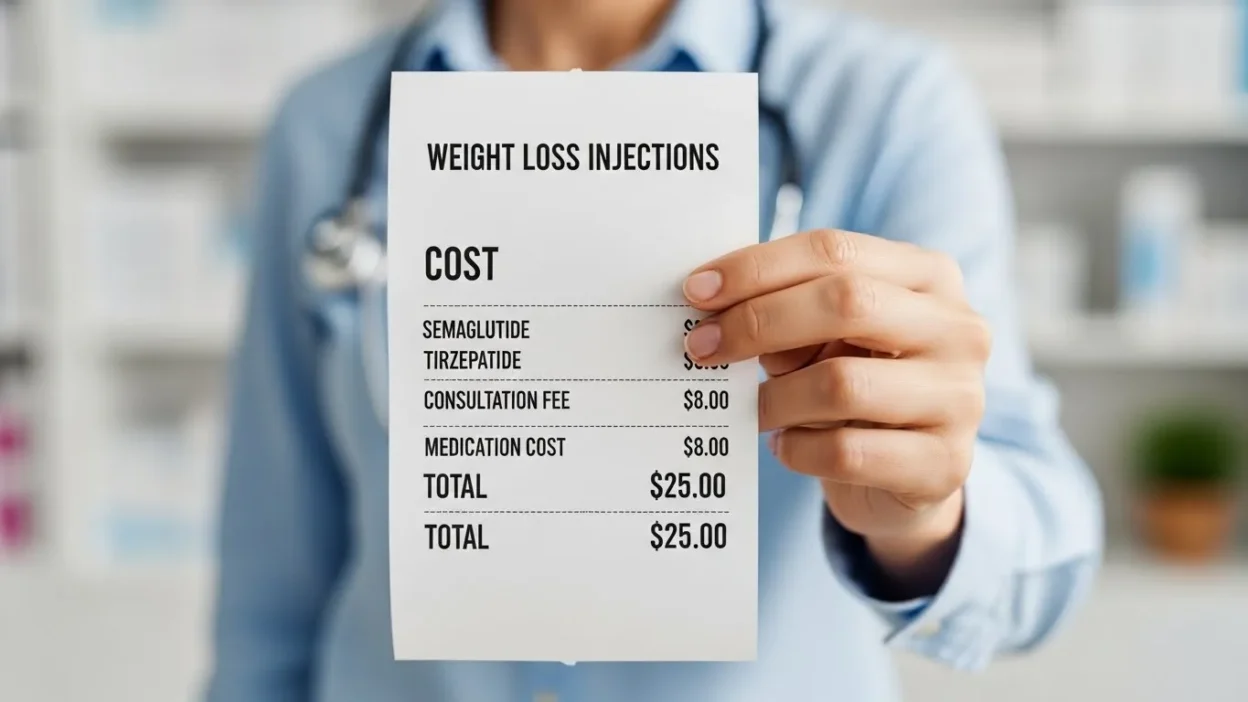
Weight loss injections have become one of the most talked-about solutions for managing weight in recent years, thanks to medications like Ozempic, Wegovy, Mounjaro, Zepbound, and Saxenda.
These GLP-1 injections work by reducing appetite, regulating blood sugar, and helping people achieve significant weight loss when combined with diet and exercise. However, one of the most common questions potential users have is: “How much do weight loss injections cost?”
The answer isn’t straightforward, as prices vary depending on the brand, dosage, location, and whether insurance is involved. Monthly costs can range from hundreds to over a thousand dollars, making it essential to understand all factors before starting treatment.
In this comprehensive guide, we’ll break down the average costs per medication, discuss insurance coverage, highlight cheaper alternatives, and provide tips to make weight loss injections more affordable helping you make an informed decision about your weight loss journey.
What Are Weight Loss Injections?
Weight loss injections are prescription medications designed to help people lose weight by targeting appetite, metabolism, and blood sugar regulation. Most of these injections belong to a class of drugs called GLP-1 receptor agonists, which mimic a natural hormone in the body called glucagon-like peptide-1 (GLP-1). This hormone helps control hunger, slows digestion, and can improve insulin response, making it easier to consume fewer calories and maintain steady blood sugar levels.
Several popular medications fall under this category. Ozempic and Wegovy contain semaglutide, with Wegovy being specifically FDA-approved for weight management. Mounjaro (tirzepatide) also supports weight loss while managing blood sugar levels, and Saxenda (liraglutide) has been used for obesity treatment for years. Zepbound, a newer option, offers similar benefits with weekly dosing. There are also compounded versions of semaglutide available through some pharmacies, which can sometimes be a lower-cost alternative, though they require careful consideration regarding safety and legitimacy.
These injections are usually administered as subcutaneous shots, typically once a week or once daily depending on the medication. They are most effective when combined with a healthy diet and regular exercise, as injections alone may not produce the desired results. Understanding what each medication does and how it works is essential before considering the cost, as effectiveness can vary from person to person.
How Much Do Weight Loss Injections Cost?
One of the most important factors for anyone considering weight loss injections is the cost, which can vary widely depending on the medication, dosage, and location. On average, these injections range from several hundred to over a thousand dollars per month when paying out of pocket.
Ozempic, commonly used for diabetes but also effective for weight loss, typically costs around $900–$1,200 per month without insurance. Wegovy, specifically FDA-approved for obesity, is slightly more expensive, averaging $1,200–$1,500 per month. Mounjaro (tirzepatide) usually falls between $1,000–$1,300 per month, while Saxenda can range from $1,000–$1,400 monthly. Newer options like Zepbound have similar pricing, often depending on pharmacy and regional availability.
These prices usually include only the medication itself. Additional costs can include doctor consultations, initial lab tests, and follow-up appointments, which may add several hundred dollars annually. The dosage also plays a role; higher or maintenance doses are more expensive than starter doses.
Insurance can significantly reduce these costs, but coverage varies. Some plans may cover weight loss injections if prescribed for diabetes, while coverage for obesity alone is less common. For those paying out of pocket, subscription-based telehealth clinics or manufacturer savings programs can sometimes lower monthly expenses.
Understanding the typical monthly and yearly costs helps you make an informed decision and plan your budget before starting a weight loss injection regimen.
Weight Loss Injection Cost Comparison Table
To make understanding the cost of weight loss injections easier, it helps to compare the most popular options side by side. Here’s an overview of the average monthly costs, dosing frequency, and insurance coverage likelihood for each major medication:
| Medication | Average Monthly Cost (Without Insurance) | Dosing Frequency | FDA-Approved for Weight Loss | Insurance Coverage Likelihood |
|---|---|---|---|---|
| Ozempic | $900–$1,200 | Once weekly | Off-label for weight loss | Moderate (diabetes coverage) |
| Wegovy | $1,200–$1,500 | Once weekly | Yes | Low to moderate (obesity only) |
| Mounjaro | $1,000–$1,300 | Once weekly | Yes | Low to moderate |
| Zepbound | $1,000–$1,300 | Once weekly | Yes | Low |
| Saxenda | $1,000–$1,400 | Daily | Yes | Moderate |
This table highlights several key points. Wegovy is typically the most expensive, while Ozempic can be slightly cheaper, especially if used off-label for weight loss. Mounjaro and Zepbound are newer options with similar pricing but may not be covered by insurance. Saxenda is a daily injection, which can increase overall cost when factoring in convenience and adherence.
Understanding this comparison allows patients to make informed decisions based on budget, dosing preferences, and insurance coverage. Additionally, it’s important to remember that these prices reflect only the medication itself. Doctor visits, lab tests, and follow-ups can significantly affect the total monthly or yearly cost of weight loss injections.
By reviewing the table and considering your own situation, you can better plan both the financial and logistical aspects of starting a weight loss injection regimen.
Factors That Affect the Cost of Weight Loss Injections
The cost of weight loss injections is not the same for everyone. Several key factors influence how much you’ll pay, making it essential to understand each before starting treatment.
1. Brand and Medication Type – Different medications have varying prices. For example, Wegovy is typically more expensive than Ozempic, while newer options like Zepbound may have fluctuating costs depending on availability and demand. Compounded semaglutide, offered by some pharmacies, can be cheaper, but safety and quality should be carefully considered.
2. Dosage and Frequency – The dose you need affects cost. Higher or maintenance doses require more medication, increasing monthly expenses. Weekly injections like Ozempic or Wegovy may be cheaper in terms of convenience compared to daily injections like Saxenda, which require more frequent dosing.
3. Location and Pharmacy – Prices can vary by region, pharmacy, and even online versus local providers. Telehealth services sometimes offer subscription-based pricing that lowers overall cost, while local pharmacies may charge standard retail rates.
4. Insurance Coverage – Whether your insurance covers the injection significantly affects out-of-pocket costs. Coverage is more common if prescribed for diabetes, but less consistent for weight loss or obesity alone. Prior authorization requirements may also delay access and impact costs.
5. Additional Costs – Doctor visits, lab tests, and follow-up appointments are often necessary for safe treatment and add to the overall expense.
Understanding these factors allows patients to budget accurately and explore options like savings programs, telehealth clinics, or insurance strategies to reduce costs without compromising safety.
Does Insurance Cover Weight Loss Injections?
Insurance coverage for weight loss injections varies widely and can significantly impact out-of-pocket costs. In general, most insurance plans are more likely to cover GLP-1 medications like Ozempic, Wegovy, Mounjaro, or Saxenda if they are prescribed for diabetes management rather than weight loss alone. This is because many insurers classify obesity treatment as elective or lifestyle-related, which can limit coverage.
For individuals with type 2 diabetes, medications such as Ozempic or Mounjaro may be partially or fully covered depending on the plan. Coverage typically requires a prior authorization, meaning your doctor must provide documentation showing medical necessity. Without approval, patients may need to pay the full retail price, which can exceed $1,000 per month.
Coverage for weight loss specifically, as with Wegovy or Saxenda, is less consistent. Some employer-sponsored health plans may offer partial reimbursement, but many plans exclude obesity treatments altogether. Medicare and Medicaid generally do not cover weight loss medications unless they are prescribed for diabetes.
Even when insurance does cover these medications, patients often face copays, deductibles, or quantity limits, which can still make monthly costs significant. Understanding your plan’s specific rules and speaking directly with your insurance provider is essential before starting injections.
For those without coverage, options like manufacturer savings cards, telehealth subscription programs, or compounded versions of semaglutide can help lower costs, making these medications more accessible while still maintaining safety and effectiveness.
How to Lower the Cost of Weight Loss Injections
While weight loss injections can be expensive, there are several strategies to make them more affordable without compromising safety or effectiveness. Understanding these options can help patients manage costs and maintain a consistent treatment plan.
1. Manufacturer Savings Programs and Coupons – Many pharmaceutical companies offer discounts or savings cards. For example, Ozempic, Wegovy, and Mounjaro each have manufacturer programs that reduce out-of-pocket expenses for eligible patients. Signing up for these programs can sometimes lower monthly costs by hundreds of dollars.
2. Telehealth Subscription Services – Online clinics often provide bundled pricing, including medication, consultation, and follow-up care. These subscription-based programs can be more cost-effective than traditional in-person appointments, especially for patients without insurance coverage.
3. Compounded Semaglutide – Some pharmacies offer compounded versions of semaglutide, which can be significantly cheaper than branded medications. While cost savings are appealing, it’s crucial to ensure the pharmacy is reputable and follows proper safety standards, as compounded medications are not FDA-approved.
4. Price Comparison – Costs can vary between local pharmacies, online providers, and regional suppliers. Using online tools or calling multiple pharmacies can help you find the best price.
5. Insurance Optimization – Even partial coverage can reduce costs. Ask your provider to check if your plan covers GLP-1 medications under diabetes management or obesity programs. Submitting documentation for prior authorization may also increase the likelihood of coverage.
By combining these strategies—savings programs, telehealth, and careful pharmacy selection—patients can significantly lower the financial burden of weight loss injections while still achieving effective results.
Hidden and Ongoing Costs to Consider
When budgeting for weight loss injections, it’s important to remember that the medication cost is only part of the total expense. Many additional costs can accumulate over time, which can affect your overall budget.
1. Doctor Consultations – Most weight loss injections require an initial consultation with a healthcare provider to assess suitability, review medical history, and determine the correct dosage. Follow-up visits are also recommended to monitor progress, adjust dosage, and address any side effects. Depending on your location and clinic, these visits can cost $100–$300 each without insurance.
2. Lab Tests and Bloodwork – Some injections require baseline blood tests to check liver function, blood sugar, or other metabolic markers. Periodic lab tests may also be necessary during treatment to ensure safety. These tests can add several hundred dollars annually.
3. Nutrition and Lifestyle Support – While injections help with appetite control, combining them with a diet plan or exercise program is essential for long-term success. Nutritionist consultations, meal plans, or fitness programs may incur additional costs.
4. Supplies and Accessories – Subcutaneous injections require needles, syringes, and proper storage (some need refrigeration). Over time, these small costs add up.
5. Travel or Telehealth Fees – If your doctor or pharmacy is far from home, travel or telehealth subscription fees can contribute to ongoing expenses.
By accounting for these hidden costs, you can more accurately plan your monthly and yearly budget for weight loss injections. Awareness of these factors ensures you avoid unexpected expenses and maintain a safe, effective treatment plan.
Are Weight Loss Injections Worth the Cost?
Deciding whether weight loss injections are worth the investment depends on several factors, including health goals, medical conditions, and financial considerations. While the upfront cost can be high—often ranging from $900 to $1,500 per month without insurance—many patients find the results justify the expense.
Clinical studies show that medications like Wegovy, Ozempic, and Mounjaro can lead to significant weight loss, often between 10–20% of body weight over six months to a year when combined with a healthy diet and regular exercise. Beyond aesthetics, these injections can also improve blood sugar control, blood pressure, cholesterol levels, and overall metabolic health, which can reduce the risk of serious conditions such as diabetes and heart disease.
However, the value of weight loss injections varies from person to person. For some, lifestyle changes alone may achieve similar results at a lower cost. For others, especially those with obesity or metabolic issues, injections may provide a level of support that is difficult to achieve otherwise.
Financial considerations are also key. Patients should factor in medication cost, doctor visits, lab tests, and lifestyle support to determine total investment. Insurance coverage or manufacturer savings programs can make a substantial difference.
Ultimately, weight loss injections can be worth the cost for those seeking effective, medically supervised weight loss, particularly when long-term health benefits are factored in. Careful planning and realistic expectations are essential to maximize both financial and health outcomes.
Cheapest Weight Loss Injection Options Compared
For many people, cost is a major factor when choosing a weight loss injection. While all GLP-1 medications can be expensive, some options tend to be more affordable depending on dosage, brand, and accessibility.
1. Ozempic – Although originally developed for diabetes, Ozempic is commonly used off-label for weight loss. Its weekly dosing and slightly lower price compared to Wegovy make it a popular option for patients looking to reduce costs. Without insurance, Ozempic typically ranges from $900–$1,200 per month.
2. Compounded Semaglutide – Compounded versions of semaglutide are often the cheapest alternative. Certain pharmacies provide these injections at a fraction of the cost of branded medications, sometimes $300–$600 per month. However, patients should carefully verify the pharmacy’s reputation and ensure quality standards are met, as compounded medications are not FDA-approved.
3. Telehealth Subscription Programs – Some online clinics bundle medication, consultation, and follow-up care into a monthly subscription, offering competitive pricing. These programs can be cheaper than paying separately for doctor visits and medication at retail pharmacies.
4. Saxenda and Mounjaro – These options are generally more expensive than Ozempic or compounded semaglutide, but occasionally manufacturer discounts or insurance coverage can reduce costs.
When considering the cheapest option, patients should balance price with safety, convenience, and effectiveness. While cost savings are appealing, using a medication under proper medical supervision ensures both results and health safety. Combining these strategies—choosing lower-cost medications, utilizing telehealth, or applying manufacturer discounts—can make weight loss injections more affordable without sacrificing outcomes.
Risks, Side Effects, and Why Cost Shouldn’t Be the Only Factor
While weight loss injections can be highly effective, it’s crucial to consider the potential risks and side effects before choosing a medication based solely on cost. Prioritizing affordability over safety can lead to health complications or suboptimal results.
Common Side Effects – Most GLP-1 injections, including Ozempic, Wegovy, Mounjaro, and Saxenda, can cause gastrointestinal issues such as nausea, vomiting, diarrhea, and constipation, especially during the initial weeks of treatment. Some patients may also experience headaches, fatigue, or mild injection site reactions.
Serious but Rare Risks – Although uncommon, certain medications may increase the risk of pancreatitis, gallbladder problems, or kidney issues. There is also a potential risk of thyroid tumors in preclinical studies, which is why monitoring and regular medical supervision are essential.
Compounded Medications Caution – Cheaper compounded versions of semaglutide may seem appealing, but they are not FDA-approved, and quality can vary. Using unverified sources increases the risk of contamination or incorrect dosing, which can jeopardize health.
Why Cost Shouldn’t Be the Only Factor – While saving money is important, the effectiveness, safety, and proper medical supervision of the injection are equally crucial. Cutting costs at the expense of quality can lead to ineffective weight loss, health complications, or even higher expenses in the long term due to additional medical care.
Patients should consult healthcare providers, discuss potential risks, and weigh both financial and health considerations to ensure a safe and effective weight loss journey
Real-World Cost Scenarios
Understanding the cost of weight loss injections in practical terms can help patients plan their budget and make informed decisions. Here are some typical real-world scenarios based on different situations:
Scenario 1: With Insurance Coverage – Jane, a 45-year-old with type 2 diabetes, uses Ozempic weekly. Her insurance covers 80% of the medication cost. With a retail price of $1,000 per month, she only pays $200 out-of-pocket. Adding periodic doctor visits and lab tests, her total monthly expense is approximately $250–$300.
Scenario 2: Without Insurance – Mark, who is using Wegovy solely for weight loss and has no insurance coverage, pays the full retail price of $1,400 per month. Including monthly follow-ups and lab work, his total monthly cost reaches $1,500–$1,600, highlighting how expensive these medications can be without coverage.
Scenario 3: Using Telehealth Subscription Programs – Sarah opts for a telehealth program that includes monthly medication, doctor consultations, and follow-up support for a bundled price of $700 per month. She saves nearly half compared to retail pricing while maintaining proper medical supervision.
Scenario 4: Compounded Semaglutide John chooses a reputable pharmacy for compounded semaglutide at $450 per month. While more affordable, he ensures regular doctor check-ins to monitor his health and track results safely.
Scenario 5: Long-Term Use – Over a year, the cumulative cost can range from $5,400 with compounded semaglutide to over $18,000 using branded medications without insurance. These scenarios demonstrate the importance of planning for both short-term affordability and long-term commitment.
By examining these examples, readers can better evaluate which option aligns with their health goals and financial situation.
FAQs:
1. How much do weight loss injections cost per month?
The monthly cost varies by medication. Ozempic typically ranges from $900–$1,200, Wegovy from $1,200–$1,500, Mounjaro from $1,000–$1,300, and Saxenda from $1,000–$1,400 without insurance. Compounded semaglutide may cost $300–$600 per month.
2. Are weight loss injections covered by insurance?
Coverage depends on your insurance plan. Most insurers cover these medications for diabetes management but rarely for obesity alone. Prior authorization is often required. Medicare and Medicaid usually do not cover weight loss injections unless prescribed for diabetes.
3. What is the cheapest weight loss injection?
Compounded semaglutide is generally the most affordable option, followed by Ozempic used off-label. Telehealth subscription programs can also reduce costs through bundled pricing.
4. Can I get Ozempic or Wegovy without insurance?
Yes, but you’ll pay the full retail price. Using manufacturer savings programs, telehealth subscriptions, or reputable online pharmacies can help lower the cost.
5. How long do I need to take weight loss injections?
Treatment duration varies. Most patients take these injections for at least six months to a year. Some may continue long-term to maintain weight loss, especially if prescribed for metabolic conditions.
6. Are compounded versions safe?
Compounded semaglutide can be safe if sourced from a reputable pharmacy, but it is not FDA-approved. Regular monitoring by a healthcare professional is essential to ensure correct dosing and prevent complications.
7. Are weight loss injections worth the cost?
They can be worthwhile for significant, medically supervised weight loss, especially when combined with diet and exercise. Insurance, discounts, and careful planning can make the cost more manageable.
Conclusion:
In conclusion, weight loss injections have become an increasingly popular tool for individuals seeking to enhance their weight management journey, but understanding the associated costs is crucial before starting treatment.
Prices for these injections can vary widely depending on the type of medication, dosage, frequency, and whether treatment is administered at a clinic or self-administered at home.
For example, some injectable medications may cost anywhere from $200 to $1,500 per month, and additional fees for doctor consultations, monitoring, and lab tests can increase the overall expense.
Insurance coverage may offset some costs, but many plans consider weight loss injections elective or cosmetic, leaving patients to bear the full financial responsibility.

I’m Mark Twain an American author best known for classics like The Adventures of Tom Sawyer and Huckleberry Finn. My timeless storytelling continues to inspire readers worldwide—discover more literary inspirations on CrushLinez.com.