Losing weight quickly is a goal many people strive for, especially in today’s fast-paced world where results are often expected overnight.
While slow and steady weight loss is considered the safest, there are effective strategies to shed pounds rapidly without compromising your health.
Understanding the science behind weight loss, including calorie deficits, metabolism, and fat versus water loss, is essential before trying any quick methods.
From diet changes like low-carb or high-protein plans to exercise routines such as high-intensity interval training (HIIT), multiple approaches can accelerate results.
Additionally, lifestyle factors like sleep, stress management, and hydration play a crucial role in how fast you can lose weight.
In this guide, we will explore the safest and most effective ways to achieve rapid weight loss, discuss common mistakes to avoid, and provide actionable tips to help you reach your goals efficiently and sustainably.
Understanding Rapid Weight Loss
Before jumping into quick fixes, it’s important to understand what rapid weight loss really means. Essentially, losing weight involves creating a calorie deficit, where your body burns more calories than it consumes. This deficit forces the body to use stored fat for energy, leading to fat loss. However, not all weight lost is fat especially in the first few weeks. Rapid weight loss often includes water weight and glycogen depletion, which can show quick results on the scale but may not reflect actual fat loss.
Metabolism, age, gender, and genetics also affect how quickly someone can lose weight. People with higher muscle mass, for example, tend to burn calories faster, while hormonal imbalances or medical conditions can slow down the process. It’s also important to differentiate between safe rapid weight loss and extreme methods that can harm your health. Extreme calorie restriction, crash diets, or unregulated supplements may produce fast results initially but often lead to muscle loss, nutrient deficiencies, or rebound weight gain.
Understanding these factors helps set realistic expectations. Rapid weight loss is achievable, but it should prioritize health, sustainability, and long-term results. Combining proper nutrition, effective exercise, and lifestyle adjustments is the safest path to shedding pounds quickly while maintaining energy, strength, and overall well-being.
Diet Strategies for Fast Weight Loss
Diet plays the most significant role in losing weight quickly. Creating a calorie deficit—burning more calories than you consume—is the foundation of rapid weight loss. Among popular approaches, low-carb and ketogenic diets are highly effective. By reducing carbohydrate intake, your body shifts to burning stored fat for energy, which can lead to quick results. High-protein diets are also beneficial, as protein increases satiety, preserves lean muscle mass, and boosts metabolism, making it easier to maintain a calorie deficit.
Another effective method is intermittent fasting, which involves alternating periods of eating and fasting, such as the 16:8 method or the 5:2 schedule. This approach naturally reduces calorie intake, improves insulin sensitivity, and can accelerate fat loss when combined with a balanced diet.
It’s important to focus on whole, nutrient-dense foods such as lean proteins, vegetables, fruits, and healthy fats while minimizing processed foods, sugary drinks, and refined carbs. Planning meals, controlling portion sizes, and avoiding late-night snacking can significantly enhance weight loss.
While extreme or very-low-calorie diets may produce fast results, they carry risks like nutrient deficiencies, fatigue, and muscle loss. The safest strategy is to choose a sustainable diet that creates a moderate calorie deficit while providing essential nutrients. By pairing the right diet with exercise and lifestyle habits, you can achieve rapid weight loss safely and effectively.
Exercise & Physical Activity
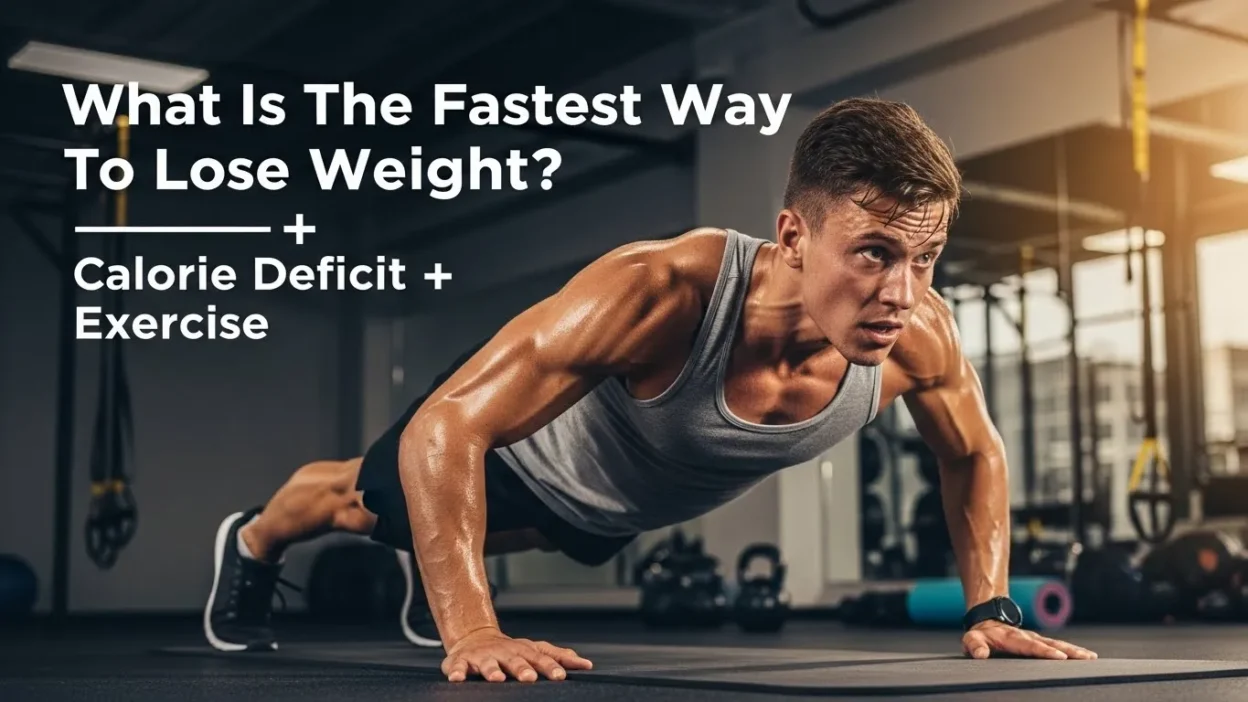
Exercise is a powerful tool for accelerating weight loss, especially when combined with a proper diet. While diet controls the calories you take in, exercise increases the calories you burn, helping create a larger calorie deficit and speeding up fat loss. One of the most effective methods is High-Intensity Interval Training (HIIT), which alternates short bursts of intense activity with periods of rest. HIIT boosts metabolism, burns a significant number of calories in a short time, and continues to burn fat even after the workout is over.
Strength training is equally important for rapid weight loss. Lifting weights or performing bodyweight exercises helps preserve and build lean muscle mass, which increases your resting metabolic rate, meaning you burn more calories even at rest. Combining strength training with cardio exercises—like running, cycling, or swimming—creates a well-rounded approach that maximizes fat loss while improving overall fitness.
Even small daily movements matter. Non-exercise activity thermogenesis (NEAT), which includes walking, taking stairs, or doing household chores, can significantly boost total daily calorie expenditure. Increasing daily activity in simple ways complements structured workouts and contributes to faster results.
For safe and sustainable weight loss, aim for a mix of HIIT, strength training, and moderate cardio, at least 4–5 days a week, while gradually increasing intensity. Avoid overtraining, as excessive exercise can lead to injury, fatigue, and slowed progress. By combining exercise with a calorie-controlled diet, you can achieve rapid, healthy, and lasting weight loss.
Lifestyle Factors That Accelerate Weight Loss
While diet and exercise are essential, lifestyle habits play a crucial role in how quickly you lose weight. One of the most overlooked factors is sleep. Poor sleep can disrupt hormones like ghrelin and leptin, which control hunger and satiety, leading to increased appetite and cravings for high-calorie foods. Aim for 7–9 hours of quality sleep per night to support metabolism and fat loss.
Stress management is another key factor. Chronic stress elevates cortisol levels, a hormone that promotes fat storage, particularly around the abdomen. Incorporating stress-reducing activities such as meditation, yoga, deep breathing, or even a simple daily walk can help regulate cortisol and support weight loss.
Hydration also impacts weight loss. Drinking enough water boosts metabolism, reduces appetite, and helps your body efficiently burn fat. Sometimes, thirst is mistaken for hunger, leading to unnecessary snacking. A good rule is to drink a glass of water before meals and maintain consistent hydration throughout the day.
Finally, meal timing and eating habits can accelerate results. Eating earlier in the day, practicing mindful eating, and avoiding late-night snacking helps regulate blood sugar levels and prevents excess calorie intake. Consistency in meal patterns trains your body to utilize energy more efficiently.
By combining proper sleep, stress management, hydration, and mindful eating with diet and exercise, you can enhance your body’s natural fat-burning ability. These lifestyle adjustments not only speed up weight loss but also make it more sustainable and maintainable over the long term.
Supplements & Weight Loss Aids
While diet and exercise are the most effective ways to lose weight, certain supplements and aids can support rapid fat loss when used responsibly. Evidence-based options include green tea extract, caffeine, and fiber supplements. Green tea extract contains antioxidants called catechins that may boost metabolism and promote fat burning, while caffeine can increase energy expenditure and enhance workout performance. Fiber supplements, such as glucomannan, help with satiety, reducing overall calorie intake.
Thermogenic or fat-burning supplements are popular, but their effects are usually modest and vary from person to person. They work by slightly increasing metabolism or reducing appetite, but they should never replace a balanced diet or consistent exercise.
It’s crucial to approach supplements with caution. Many products marketed for rapid weight loss, especially “miracle pills” or unregulated powders, can be harmful, causing side effects like heart palpitations, digestive issues, or nutrient imbalances. Always research the ingredients and, if possible, choose products backed by scientific studies.
Ultimately, supplements can support, but not replace, a healthy weight loss plan. Combining evidence-based aids with a calorie-controlled diet, effective exercise routine, and positive lifestyle habits maximizes results safely. Consulting a healthcare professional before starting any supplement is highly recommended, especially if you have preexisting medical conditions or take medications. Used responsibly, these aids can provide a small boost to help you reach your weight loss goals faster.
Common Mistakes & Myths
When trying to lose weight quickly, many people fall into common traps that can slow progress or even harm health. One major mistake is crash dieting—extremely restricting calories to see fast results. While this may produce temporary weight loss, it often leads to muscle loss, nutrient deficiencies, fatigue, and rebound weight gain once normal eating resumes. Sustainable calorie reduction, combined with exercise, is a safer and more effective approach.
Another misconception is that over-exercising guarantees faster weight loss. Excessive workouts without proper rest can lead to injuries, exhaustion, and hormonal imbalances, which may actually hinder fat loss. Balancing high-intensity workouts with adequate recovery is essential for results and long-term adherence.
Many people also believe in “miracle” weight loss solutions such as detox teas, fad diets, or unregulated supplements. These products often promise rapid results but lack scientific support and can carry serious health risks. True, lasting weight loss comes from consistent lifestyle changes, not quick fixes.
Other myths include the idea that skipping meals accelerates fat loss or that exercise alone is enough to burn off poor eating habits. In reality, a combination of proper nutrition, structured exercise, and lifestyle adjustments is required.
By understanding these common mistakes and debunking myths, you can avoid pitfalls, set realistic expectations, and follow a safe, evidence-based approach to losing weight quickly while maintaining health and energy.
(FAQs)
1. What is the fastest way to lose weight safely?
The fastest safe approach combines a calorie-controlled diet, high-protein or low-carb meals, regular exercise including HIIT and strength training, and healthy lifestyle habits like proper sleep and stress management. Losing more than 1–2 pounds per week can increase health risks.
2. Can I lose 10 pounds in a week?
Losing 10 pounds in a week is extremely aggressive and usually includes water weight rather than fat. Rapid weight loss at this rate may be unsafe and is generally not recommended. Aiming for gradual fat loss ensures better results and sustainability.
3. Are weight loss supplements effective?
Some supplements, like green tea extract, caffeine, and fiber, can slightly boost fat loss or reduce appetite. However, they should support, not replace, diet and exercise. Avoid unregulated “miracle” pills, as they can be harmful.
4. How does intermittent fasting help with fast weight loss?
Intermittent fasting reduces the eating window, which naturally lowers calorie intake, improves insulin sensitivity, and can accelerate fat burning. Combined with balanced nutrition, it’s a safe strategy for rapid weight loss.
5. Is exercise necessary for fast weight loss?
Exercise is highly recommended as it increases calorie burn, preserves lean muscle mass, and boosts metabolism. While diet drives most weight loss, combining it with physical activity accelerates results and improves overall health.
6. Can lifestyle changes make a difference?
Yes. Adequate sleep, stress management, hydration, and mindful eating significantly enhance weight loss, help prevent plateaus, and support long-term success.
Conclusion
Losing weight quickly is achievable when approached safely and strategically. While the temptation for instant results is strong, it’s important to remember that rapid weight loss should prioritize health, sustainability, and long-term success.
The most effective approach combines a balanced, calorie-controlled diet, regular exercise including HIIT and strength training, and healthy lifestyle habits such as adequate sleep, stress management, and proper hydration.
Diet strategies like low-carb, high-protein meals and intermittent fasting can accelerate fat loss, while exercises that preserve muscle and boost metabolism enhance results.
Supplements may provide a small boost, but they should never replace proper nutrition and consistent activity.
Being aware of common mistakes like crash dieting, over-exercising, or relying on “miracle” products can prevent setbacks and protect your health.
Rapid weight loss is not just about shedding pounds quickly; it’s about creating habits that support lasting transformation.
By combining diet, exercise, and lifestyle adjustments, you can achieve noticeable results safely while maintaining energy, strength, and overall well-being.
Start with realistic goals, track your progress, and stay consistent. With the right approach, fast weight loss can be both effective and sustainable, setting the stage for a healthier, more confident you.